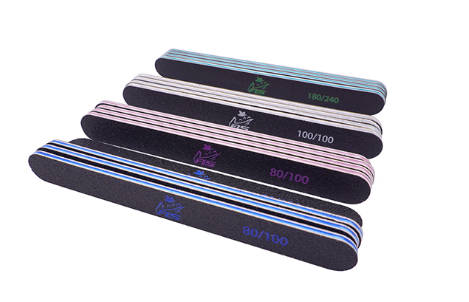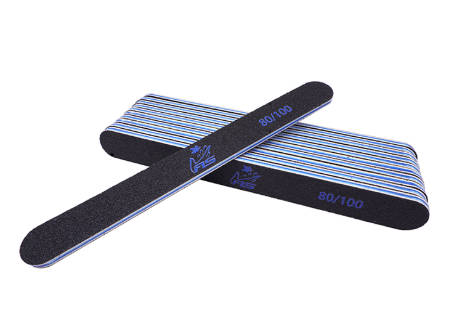
An emery board can peel when the abrasive layer, EVA cushioning layer, adhesive bond, or core interface no longer behaves as one structure. The visible lift may begin at an edge, spread across one face, or appear after storage and transit. Buyers should not assume that every case has the same cause. A useful investigation starts by locating the failed interface, comparing affected and retained samples, and reviewing production and storage records before assigning corrective action.
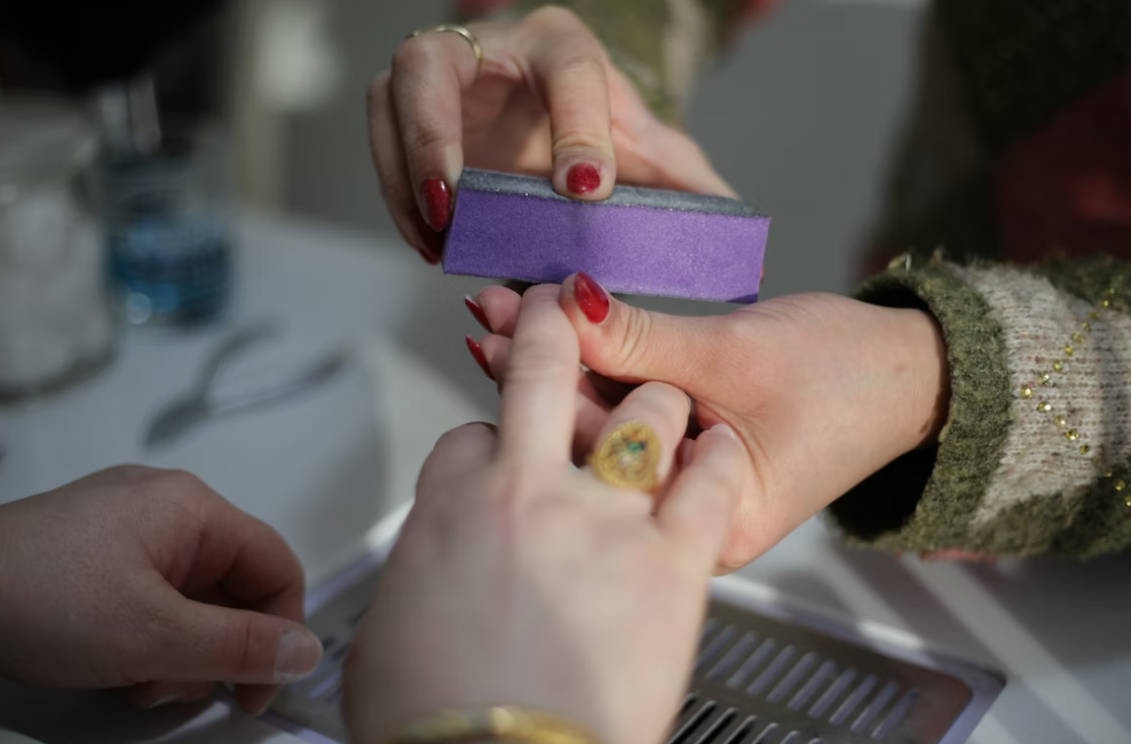
What Is Actually Separating When an Emery Board Delaminates?
A laminated file can contain sandpaper, EVA, adhesive, and a board core. The exposed failure surface provides the first useful evidence.
Map the Emery Board Abrasive, EVA and Core Interfaces
Map the ordered emery board nail file by abrasive, grit, cushioning layer, core, and edge. Clean release from EVA differs from torn EVA; full laminate release shifts attention to the core bond. This prevents buyers from treating every emery board for nails as identical; flat, cushioned, mini, and foot formats experience different loads.
Read the Failure Pattern Before Blaming the Adhesive
Photograph the sample before pulling the layers farther apart. Record whether lift begins at corners, along one cut edge, around a bubble, or across the full face. Note whether adhesive remains on both surfaces, one surface appears clean, or the cushioning layer has torn. These clues help compare surface preparation, coating, cure records, material lots, cutting, and packing without assuming that “the glue was bad.”
Why Can an Emery Board Adhesive Bond Fail During Lamination?
Bonding depends on compatible surfaces, wetting, bond-line control, and cure. Research identifies contamination, voids, poor cure, and thickness variation as defect mechanisms; actual limits remain process-specific.
Could Contamination or Uneven Adhesive Coverage Be the Cause?
Dust from cutting, oil, release residue, moisture, or loose particles can interfere with contact between layers. Uneven application can leave dry areas or trapped voids that later appear as bubbles or localized lift. Inspectors should compare the position and shape of defects across several samples rather than infer a cause from one board.
Review handling and cleaning records. Repeated failure in one location also warrants checking coating alignment; no universal coating weight applies without adhesive data.
Were Pressure, Dwell and Cure Conditions Consistent?
Pressure helps bring surfaces into contact, but excessive or uneven compression can also distort a soft layer. Dwell and cure conditions affect when the assembly can be cut, packed, or flexed. A board handled before the bond reaches the required state may show edge movement even if the surface initially appears flat.
Compare the lot with an approved sample and documented settings. Use supplier-defined pressure, time, and temperature ranges, not values copied from another laminate.
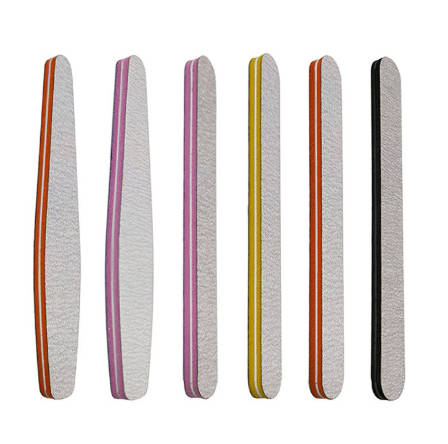
How Do EVA Thickness and Flexing Affect an Emery Board?
EVA can cushion abrasive and core, but also bends, compresses, and transfers stress toward edges.
Match Cushioning and Core Stiffness to the Intended Use
A flexible file bends differently from a rigid board. If the core, EVA thickness, or overall dimensions differ from the approved sample, repeated handling may concentrate stress at the bond line. Buyers should compare flex and recovery under the same method and avoid forcing every format through one bend test. Specify stiffness for the intended format rather than describing the board only as soft, medium, or strong.
Inspect Cut Edges, Corners and Grit Transitions
Die cutting exposes the laminate edge. Ragged cuts, compressed corners, or an abrasive sheet extending beyond the core can provide a starting point for lift. Check both sides under consistent light and lightly handle the edge using an agreed method. The emery board grit scale describes abrasive coarseness, not bond strength. Inspect grit identity and edge bonding separately.
Can Storage and Packaging Trigger or Reveal Delamination?
Environment can age a bond, while poor packing loads vulnerable edges. Storage may cause damage or reveal an earlier defect.
Can Disposable Emery Boards Be Affected by Moisture or Heat?
Disposable emery boards are not automatically low quality, but layered materials need suitable storage. Use documented limits, avoid uncontrolled moisture and heat, and compare stored units with retained samples. Do not enforce generic environmental limits without verified material and adhesive data. Record actual warehouse and transit conditions.
How Should a Foot Emery Board Be Packed?
A foot emery board or larger emery board for feet can experience more leverage and edge loading than a small manicure file. The pack should prevent bending, crushing, and repeated rubbing between abrasive faces. Check whether damage is concentrated at carton walls, under straps, or in overfilled inner packs. Compare cartons and orientations; damage limited to one position suggests pack stress rather than uniform lot failure.
How Should Buyers Test an Emery Board Delamination Complaint?
A complaint needs clear sample identity, failure location, storage history, and comparison method. Undefined pulling can obscure the original defect.
Compare Retained Samples Across Lots and Storage Conditions
Select affected units, unaffected units from the same lot, and an approved retained sample. Condition them together before comparison when practical. Use the same handling sequence and record whether separation is already visible or appears only after controlled flexing.
Sampling and acceptance limits belong in the buyer’s quality plan; no universal peel force, cycle count, or AQL fits every construction.
Record Failure Location, Grit Pairing, Pack and Lot Data
The report should include model, dimensions, emery board grit numbers, side pairing, color, pack type, carton number, lot identification, photographs, and storage history. Mark where each layer released and whether the issue occurs on one or both faces. The record supports comparison of abrasive, EVA, core, adhesive process, cutting, and packing variables.
How Felice Beauty Helps Buyers Verify Layered Emery Board Orders
At Felice beauty, we support specification-based approval. Our products offer multiple grit, size, color, shape, and packaging options, so review follows the selected construction and use.
Start with a Verified FLS-NF-001 Construction
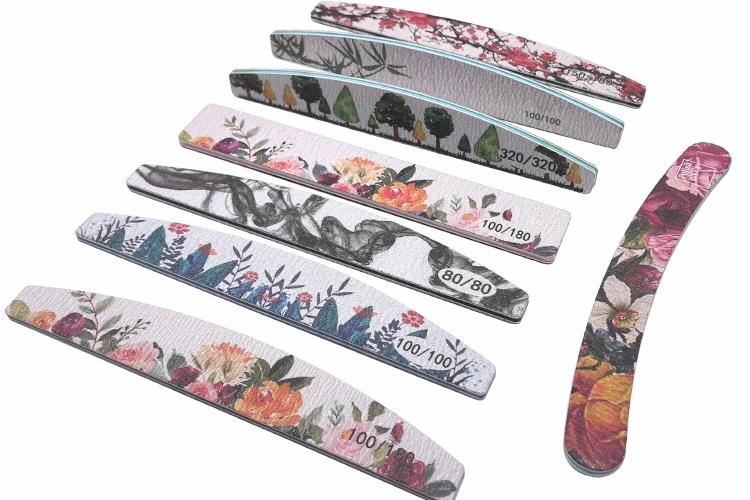
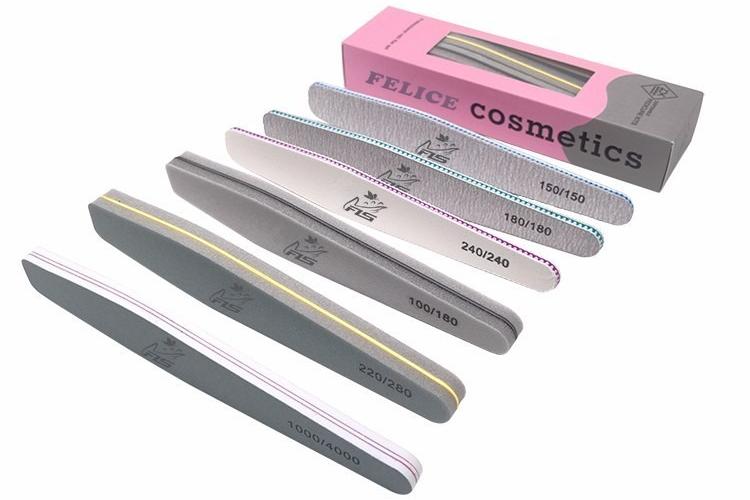
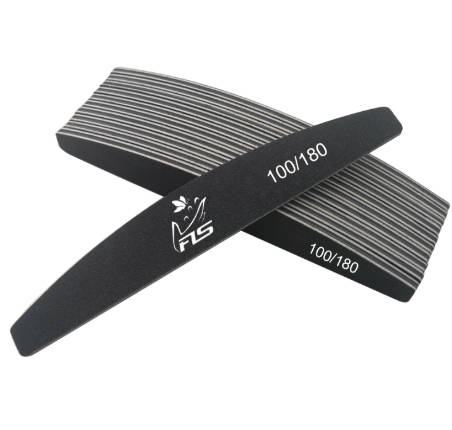
Zebra grey emery board uses a 1.8 mm plastic board, EVA, and Japanese sandpaper. The verified page lists two size formats, grit options from 60 through 240, and stock combinations including 80/80, 100/100, 100/180, and 180/240. The listed pack is 25 pieces, with logo and packaging customization supported.
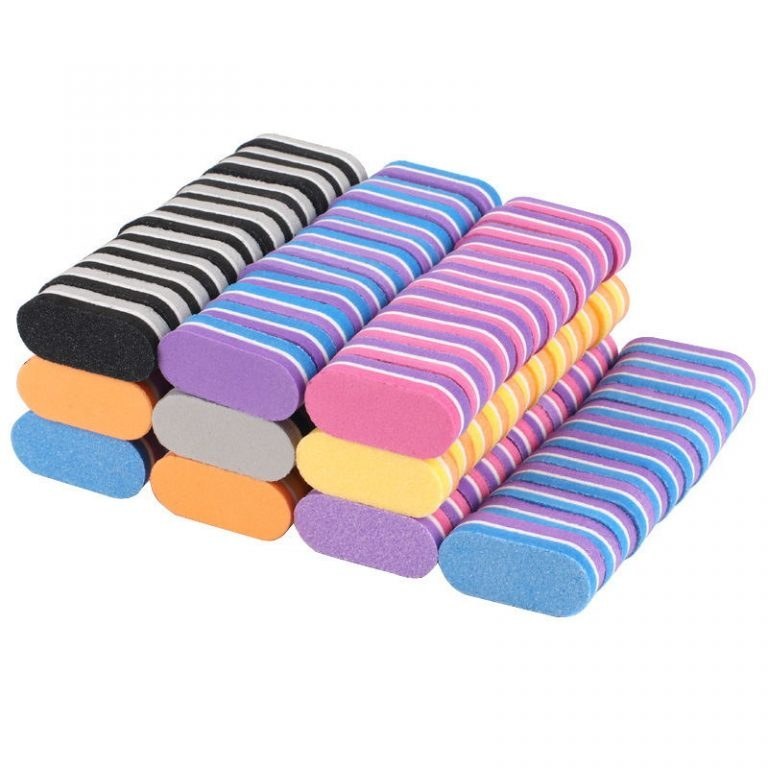
These details create a traceable approval sheet for material stack, dimensions, grit pairing, artwork, and pack. They do not establish a universal adhesive formula or delamination threshold.
Use Our Pre-Production Sample to Align the Approval Standard
Felice beauty can provide a pre-production sample for quality checking before bulk production. We recommend that buyers retain the approved sample and document edge condition, flex method, grit identity, print, and packing. When a concern appears, Felice beauty can compare the affected unit with the agreed construction and order records rather than make a diagnosis from appearance alone.
FAQ
Q: Are disposable emery boards more likely to delaminate?
A: Not necessarily. Whether emery boards are sold through retail chains or professional channels, disposability does not prove bond quality. Construction, surface preparation, lamination, cutting, storage, and packing still require evaluation.
Q: Is a foot emery board built differently from an emery board for nails?
A: It can be. Foot formats may differ in size, core stiffness, abrasive grade, handle design, and packaging. Inspect the actual approved specification instead of assuming that manicure and pedicure files share one construction.
Q: Do emery board grit numbers affect delamination?
A: Grit numbers describe abrasive coarseness. They do not directly measure adhesive strength. A buyer should confirm grit and bond integrity as separate specifications, then investigate the interface where separation occurs.