What Is an Emery Board and Why Does Grit Matter?
The Composition and Function of an Emery Board
An emery board is a nail-shaping tool made to refine, shorten, and polish nails with abrasive surfaces. The usual emery board material includes a thin cardboard or plastic core coated with fine sandpaper-like minerals. This design keeps it lightweight and easy to carry. It works well in professional salons and at home for manicures.
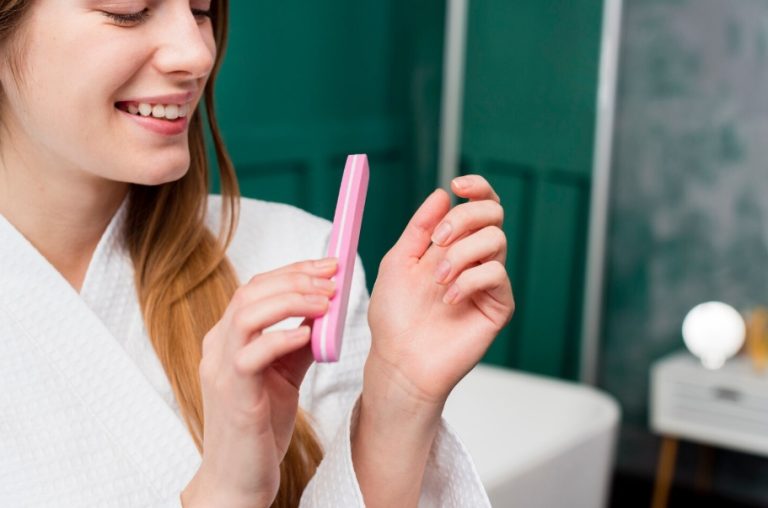
A double-sided emery board often has two levels of coarseness. One side helps with shaping. The other side helps with smoothing. Understanding which side of the emery board is rougher helps users get precise results. The side with lower grit is coarser. Users start with that side to shape the nail. Then they switch to the finer side for finishing.
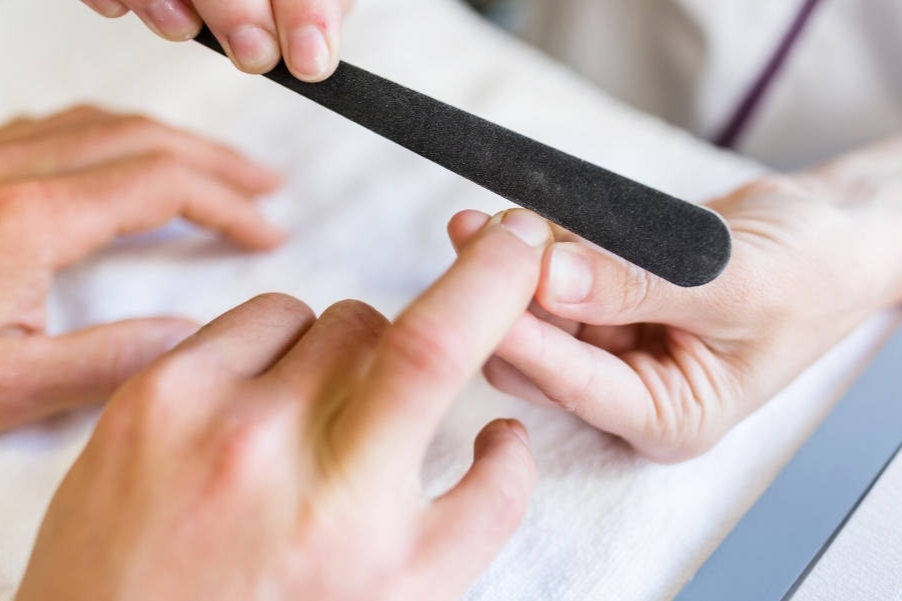
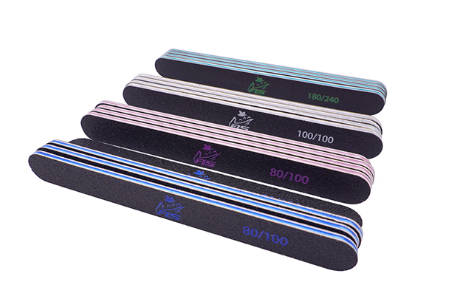
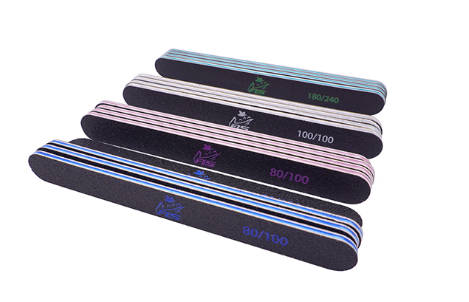
The grit number printed on an emery board shows how coarse or fine its surface is. Lower numbers such as 80–100 mean coarse textures. These work well for reshaping or shortening nails fast. Higher numbers like 240–320 feel smoother. They suit refining edges. Some makers also create specialized coarse emery boards for artificial nails. They also make an emery board for feet that handles thicker keratin layers in a safe way.
How Grit Levels Affect Nail Health and Finish
Each grit level affects nail health and finish quality in direct ways. Coarse grits take away material quickly. Yet they can weaken natural nails if used the wrong way. Fine grits create a polished surface. They do this without stripping protective layers. Picking the right grit stops splitting, peeling, or over-filing. These issues often appear when people use the wrong tools.
Good technique improves results. Always file in one direction. Avoid back-and-forth motions. This prevents fraying at the nail edges. Staying aware of grit choice leads to healthier nails and salon-quality finishes.
How to Choose the Right Emery Board Grit for Each Nail Type
What Grit Works Best for Natural Nails?
Natural nails bend more easily and break more often. Gentle filing matters most here. A grit between 240-320 gives enough smoothness to shape the nail. It does so without thinning layers. Using grits that are too coarse can strip the protective keratin. This often causes peeling. A picture of an emery board that shows fine-grit texture reveals its delicate abrasive surface. This surface suits daily maintenance.
Which Emery Board Grit Is Ideal for Gel Nails?
Gel nails feel tougher than natural ones. They still need care to keep their glossy coating. Medium grits between 180–240 work well for reshaping. They avoid scratching the gel surface. After shaping, buffing with a higher grit helps bring back the shine. A medium-grit disposable emery board can suit salon settings. Hygiene stays important there. It allows single-use convenience and helps prevent cross-contamination.
What About Acrylic Nails — Which Grit Should You Use?
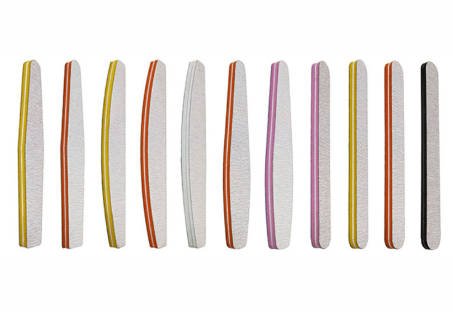
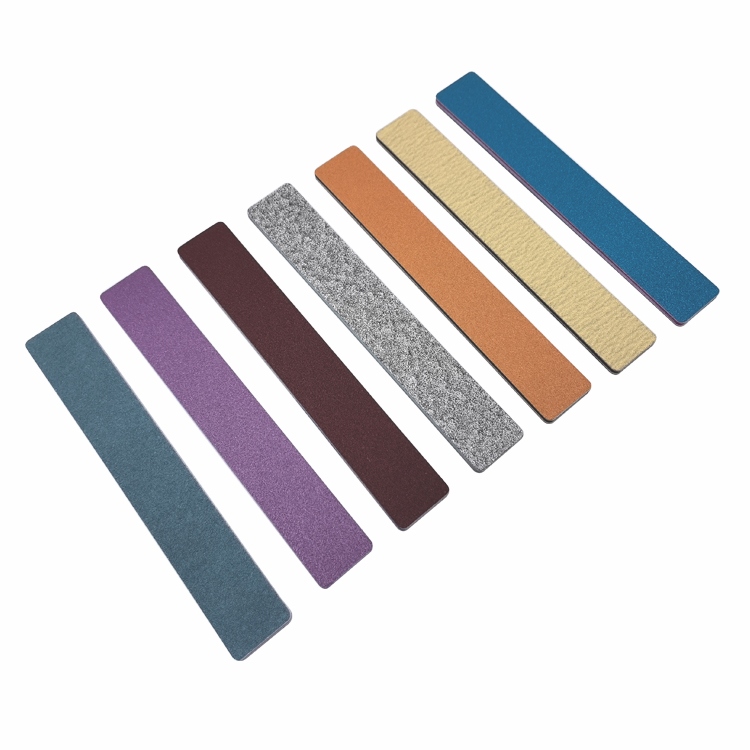
Acrylic nails are dense and durable. They need stronger abrasives. Coarse grits ranging from 80–180 reduce length or reshape structure in an efficient way. Finer grits from 180–240 refine edges afterward. Many professionals compare a salon board vs. an emery board before they buy. Salon boards tend to be sturdier. They have reinforced cores that suit heavy-duty filing on acrylics.
How to Maintain Your Emery Boards for Long-Term Use
Cleaning and Sanitizing Tips for Hygiene
Keeping tools clean extends their life. It also ensures hygiene during manicures or pedicures. Wash them gently with soap and warm water after each use. Then spray them with alcohol disinfectant. This step removes bacteria or residue. Store them in a dry area. This prevents moisture buildup that could harm the abrasive layer or weaken adhesive bonds within the emery board material. In professional settings with many clients, switching to sterilizable or single-use models improves safety compliance.
When Should You Replace an Emery Board?
Replace your file once its abrasive surface feels smooth or stops working well during filing. Frequent users should change boards every few weeks. The exact timing depends on how intensely they use them. Worn-out files can lead to uneven shaping. They can also cause too much pressure that harms the nail structure.
Common Mistakes When Using an Emery Board and How to Avoid Them
Filing in Both Directions — Why It’s Harmful
One common mistake is using sawing motions across the nail edge. Filing back and forth creates heat friction. This friction splits keratin layers and leads to peeling tips. Always file from side toward center with steady strokes. This approach preserves nail strength and produces cleaner lines.
Using Incorrect Pressure During Filing
Pressing too hard can crack natural nails. It can also damage overlays on gels and acrylics. Gentle movements with controlled pressure ensure accuracy. They also avoid thinning surfaces too much.
Felice Beauty: Precision Tools for Professional Nail Care at Home
Why Choose Felice Beauty Emery Boards?
At Felice beauty, we specialize in high-quality nail art tools. These include professional-grade emery boards made from durable materials. The boards suit all nail types—natural, gel, or acrylic. We are a nail art company. We mainly deal in nail art tools, especially nail file, nail buffer, foot file, artificial finger nail tips, stainless steel tools, nail wraps, nail decorations and so on.
Product Highlights from Felice Beauty’s Collection
Fine-Grit Emery Boards (240–320) for Natural Nails
These boards offer gentle abrasion. They suit soft natural nails that need subtle shaping without causing brittleness.
Medium-Grit Boards (180–240) for Gel Nails
They balance control and smoothness. This balance ensures even reshaping while keeping gel integrity across manicures.
Coarse-Grit Boards (80–180) for Acrylic Nails
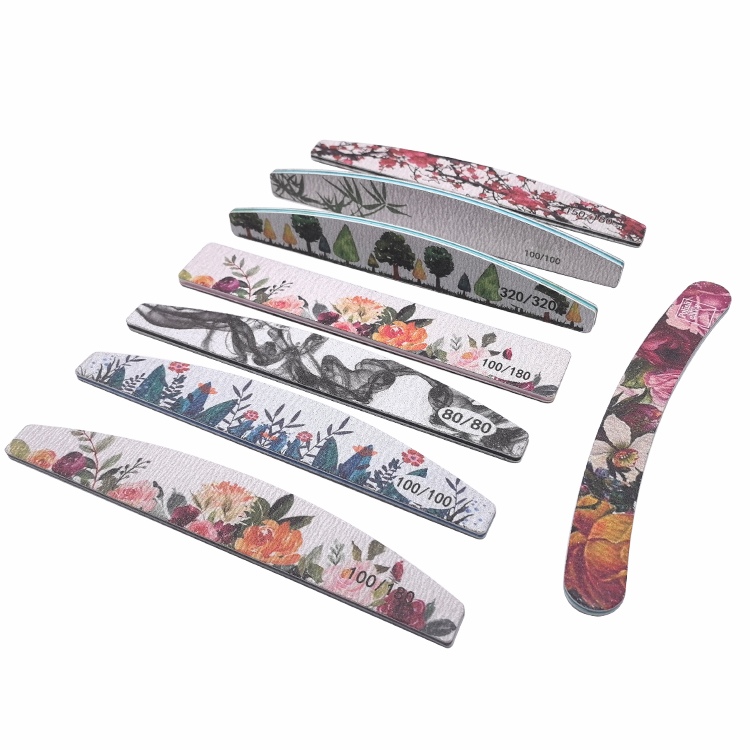
These boards come with reinforced cores similar to our professional zebra grey series files (professional high-quality custom private logo zebra grey nail file and emery board). They contour thick overlays efficiently. They also leave refined finishes that suit even advanced technicians.
We also manufacture complementary pedicure tools such as wooden handle foot files. These tools show our craftsmanship excellence. They work well when clients ask if foot files are safe or if foot files work. Our answer lies in our dual-sided ergonomic designs. These designs ensure safety along with effective callus removal performance.
FAQ
Q: What does the number on an emery board mean?
A: The number represents grit size. The higher it is, the finer the abrasive texture becomes on your file surface.
Q: Can I use one emery board on both natural and artificial nails?
A: It is best to dedicate separate tools. Each type requires specific grit ranges. This avoids uneven results or potential damage from mismatched abrasiveness levels.
Q: How often should I clean or replace my emery board?
A: Clean after each session using soap water followed by disinfection weekly. Replace every few weeks depending on wear frequency. This keeps optimal performance across manicures or pedicures using your preferred disposable emery board.