What Makes a Nail Buffer Essential for Healthy, Natural Nails?
How Does a Nail Buffer Work on the Nail Surface?
A nail buffer is more than just a beauty tool. It serves as a key item for keeping natural nails healthy. Buffers smooth ridges and small flaws. They form an even surface. This brings out the natural shine of nails. Gentle rubbing removes uneven spots from everyday wear. The step improves the nail’s appearance. It also boosts blood flow to the nail bed. Stronger growth comes with time.
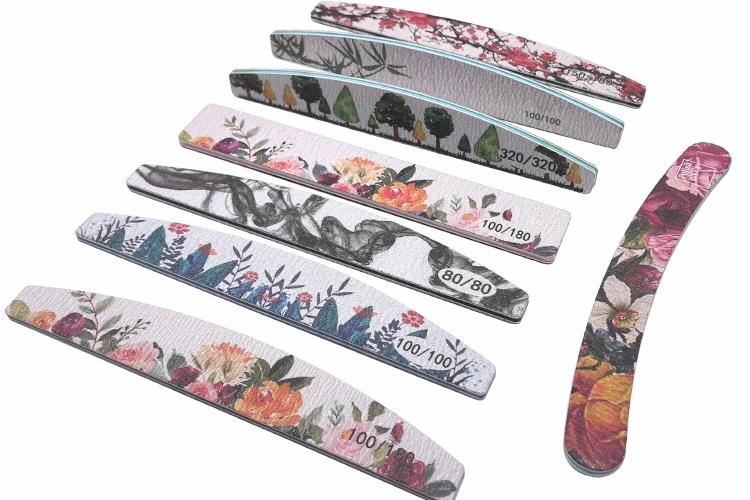
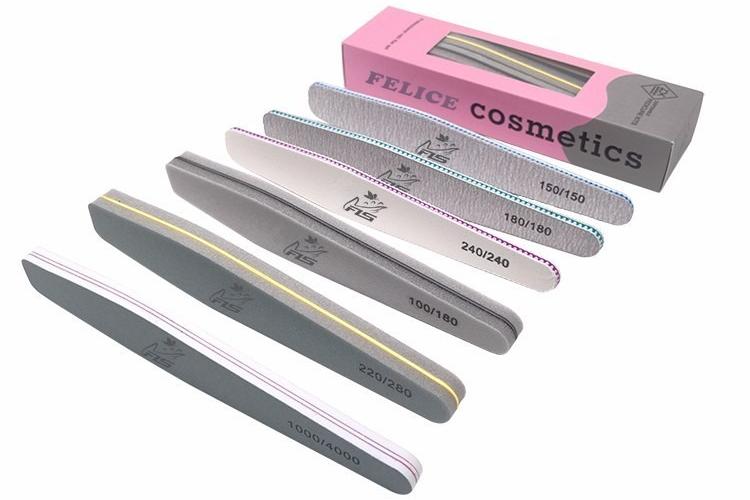
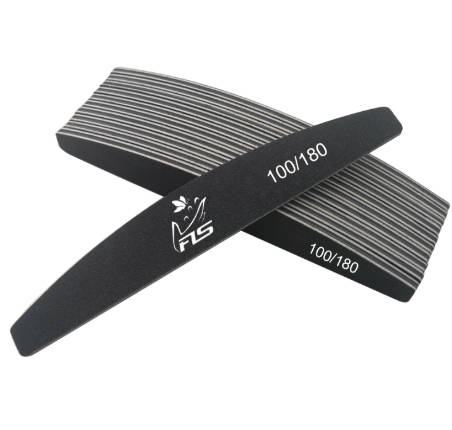
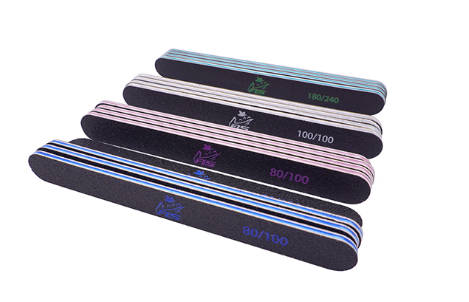
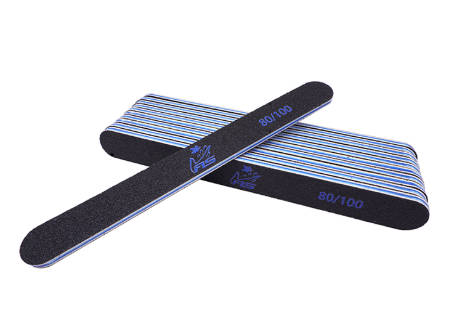
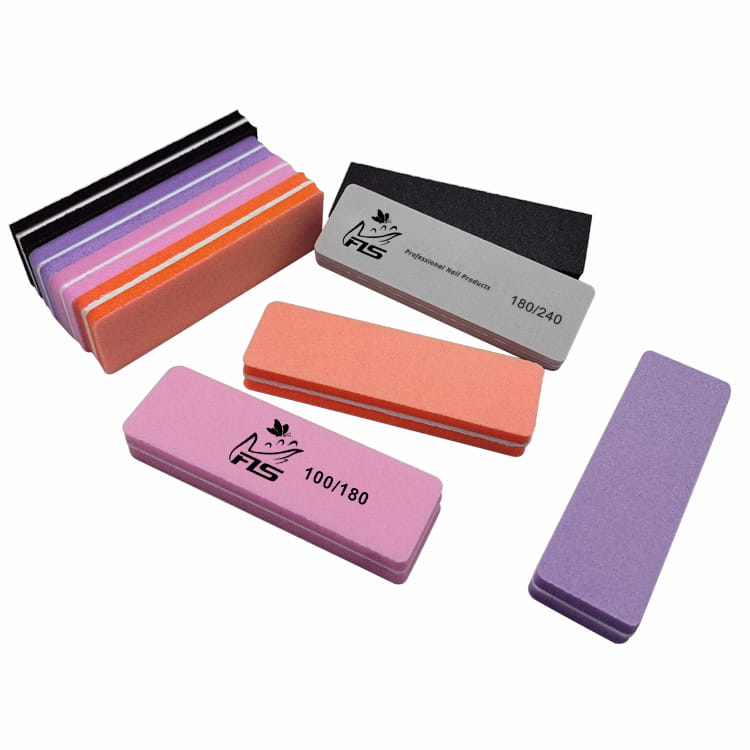
When considering what a nail buffer looks like, most models are rectangular or block-shaped with multiple textured sides. Each side serves a specific function: filing, smoothing, and shining. For example, the high elastic sponge 4 ways nail buffer block with custom logo features four distinct surfaces designed for professional use and comes with “high quality, professional use, cute shape, low MOQ for customization.” This type of buffer ensures even results while being gentle on the nail plate.
Why Should You Include Nail Buffing in Your Nail Care Routine?
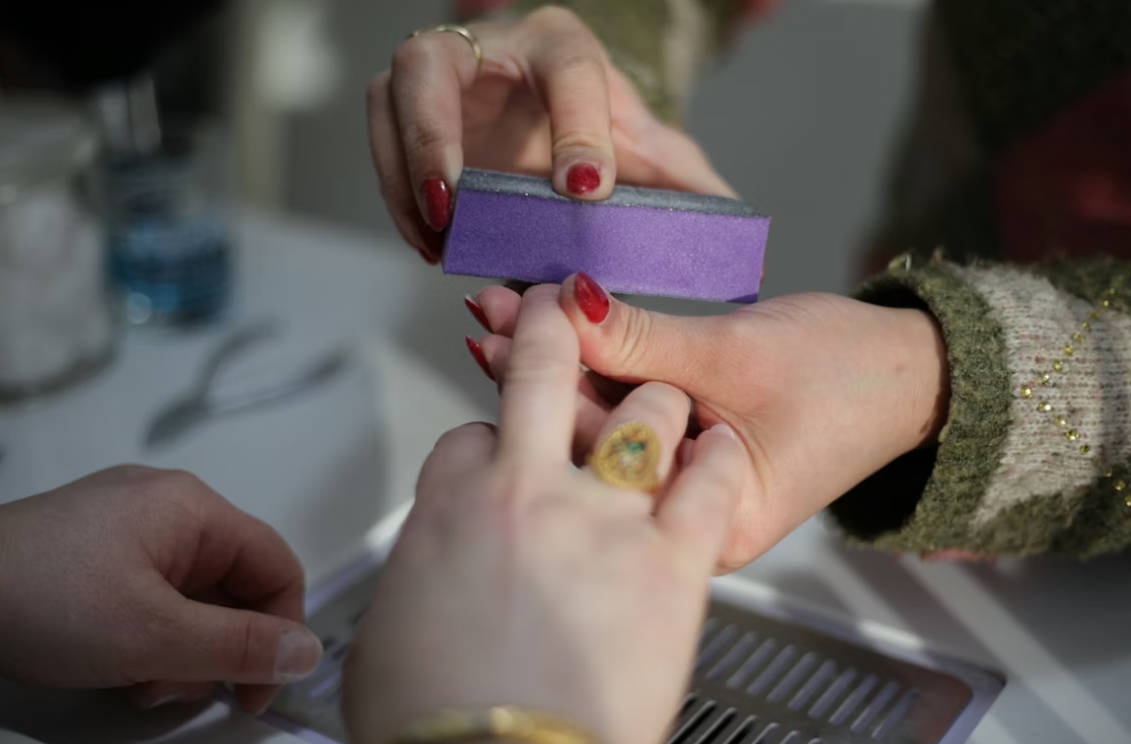
Regular buffing fits well into your nail care routine. This step supports healthy nails. It removes dead cells along with surface stains. Such stains often make nails look dull. Proper buffing also cuts down on brittleness and peeling. Dehydration or external damage commonly leads to these issues. In addition, buffing readies nails for better absorption of nourishing oils or treatments afterward. The benefits build up over time because of this.
The nail buffer use process should always be moderate. Over-buffing can thin the nails and cause sensitivity. Instead, light strokes every one to two weeks are sufficient to achieve lasting shine and strength without causing harm.
Choosing the Best Nail Buffer for a Natural Glow
What Qualities Define the Best Nail Buffer?
The best nail buffer for natural nails combines fine-grit materials with an ergonomic design to ensure safe and effective results. Multi-sided buffers are particularly useful because they cater to different needs. They help with shaping edges and achieving a mirror-like finish. Fine-grit surfaces help prevent scratches while creating an elegant gloss without polish.
How Often Should You Use a Nail Buffer?
Moderation plays a key role in keeping nails healthy. Using a buffer too often thins the natural nail plate. This leaves nails open to breaking more easily. Aim to buff once every one to two weeks. Your nail type decides the best schedule. Weak nails need this step less often than thicker ones.
After each session, always follow up with nourishing cuticle oil or moisturizer to restore hydration lost during buffing. This practice supports long-term strength and flexibility while preventing dryness or cracking.
Techniques for Achieving a Natural Shine Without Polish
Step-by-Step Guide to Proper Buffing Technique
Preparing Your Nails Before Buffing
Before you begin any buffing process, clean your nails well to remove oils or residue. These elements might disrupt smooth motion. Your nails must stay completely dry before you use any buffer tool. Moisture will lower friction and create uneven results.
The Correct Motion for Effective Buffing
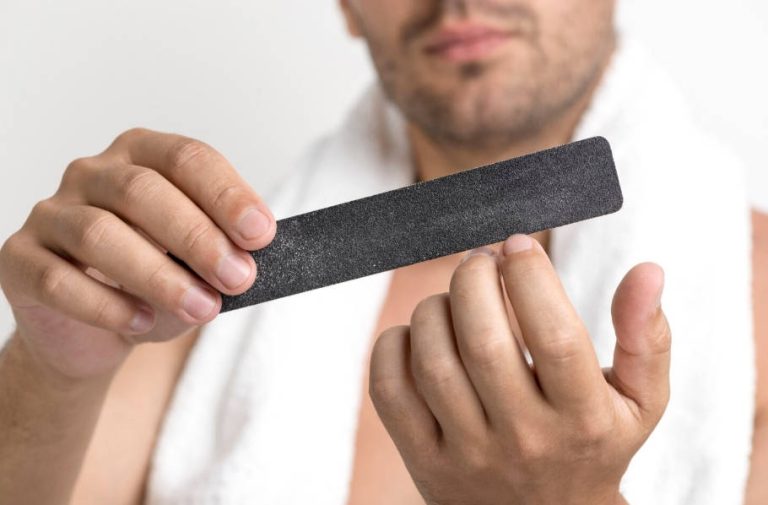
When using a nail buffer, apply gentle pressure using even strokes in one direction rather than aggressive back-and-forth movements that create heat or friction damage. Focus on each nail individually to maintain consistent smoothness across all fingers.
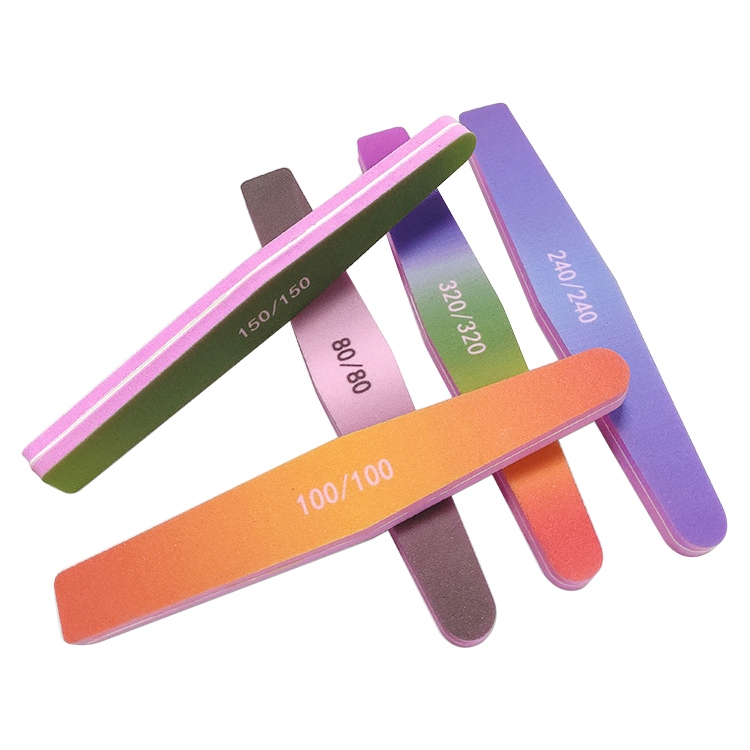
If you’re wondering how to use a 4-sided nail buffer, start with the coarsest side for shaping. Move to finer grits for smoothing ridges. Then finish with the polishing side for shine. Always end with hydration care afterward.
Common Mistakes to Avoid When Using a Nail Buffer
Don’t press down too hard on your nails. This can weaken the nail plate over time. You must also moisturize right after buffing. Skipping this step often causes dryness or cracks near the cuticles. Many people overlook the need to clean their tools as well. Dirty buffers collect bacteria. These germs can spread during later uses. Wipe the buffers softly using a damp cloth after each time. Let them dry completely in fresh air.
How to Maintain Long-Term Nail Health After Buffing
Nutritional and Hydration Tips for Stronger Nails
Healthy nails start from within. A balanced diet rich in biotin, zinc, and omega fatty acids supports stronger keratin formation. This is the protein that makes up your nails. Drinking plenty of water helps prevent brittleness or peeling caused by dehydration.
Daily Habits That Complement Regular Buffing
Protective habits enhance your manicure’s longevity. Wear gloves when washing dishes or cleaning with chemicals. Avoid acetone-based products whenever possible. Keep your hands moisturized throughout the day.
These small adjustments help preserve your natural glow achieved through careful buffing sessions using tools like Felice beauty’s high-quality sponge buffers made from durable emery materials.
Felice Beauty’s Approach to Healthy, Naturally Shiny Nails
Why Choose Felice Beauty’s Nail Buffer Collection?
At Felice beauty, we understand that achieving naturally shiny nails requires both precision tools and thoughtful design. Our collection includes multi-functional buffers crafted from high elastic sponge combined with emery surfaces that ensure smooth yet safe abrasion during use. Each product is developed under strict quality standards following our brand philosophy of “Honest, High Quality, First-Class Service.”
Our fine-grit technology ensures effective polishing while minimizing damage risk. This makes our range ideal as the best nail buffer for ridges or general maintenance across all nail types: delicate, normal, or thick.
How Felice Beauty Enhances Your At-home Manicure Experience
Product Features That Support Professional Results at Home
Our lightweight designs provide superior control during application so you can replicate salon-quality results effortlessly at home. Each model comes from compact mini blocks, perfect for travel kits, to larger ergonomic shapes. It is built using long-lasting materials, ensuring consistent performance over multiple sessions.
Commitment to Quality and Sustainability
We focus on green choices when picking materials and making packages. We also stick to cruelty-free rules for every item in our line. Each product passes skin tests. These tests keep it safe even with daily use. This shows our strong focus on careful beauty habits. The habits rest on sustainable ideas. Customers around the world share these ideas.
FAQ
Q: Can using a nail buffer replace nail polish entirely?
A: Yes, regular buffing can produce a glossy effect similar to clear polish. It works well if you prefer minimalist aesthetics without additional coatings like gel polish or top coats.
Q: Is it safe to use a nail buffer on weak or damaged nails?
A: Limit buffing until strength returns through proper nutrition and hydration. Focus instead on moisturizing treatments before resuming standard routines.
Q: How do I clean my nail buffer properly?
A: Wipe gently with a damp cloth after each session, then allow it to air dry fully. Avoid soaking since excess moisture shortens the lifespan of sponges inside many buffers like those made from high elastic sponge + EVA + emery combinations used in Felice beauty’s designs.
Q: What’s the difference between a nail buffer and a nail file?
A: A file shapes edges by removing length, while buffers refine surface texture, creating shine. Both complement each other within comprehensive manicure care routines, ensuring polished yet healthy outcomes every time you groom your hands at home using Felice beauty tools designed precisely for this purpose.