Comparing Emery Boards and Glass Files for Natural Nails
What Makes an Emery Board Different from a Glass File?
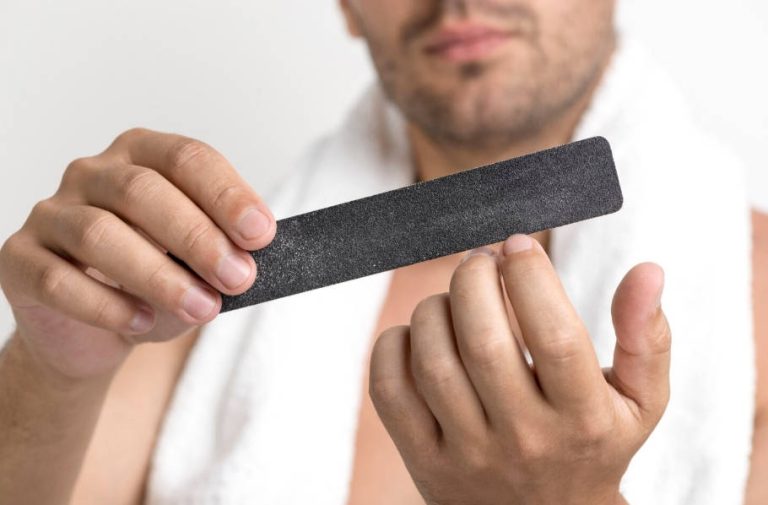
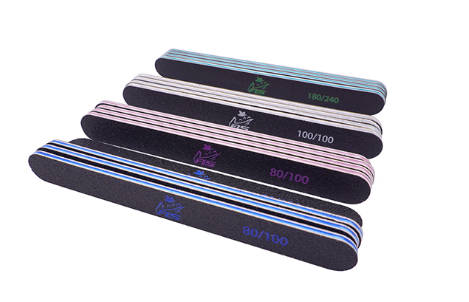
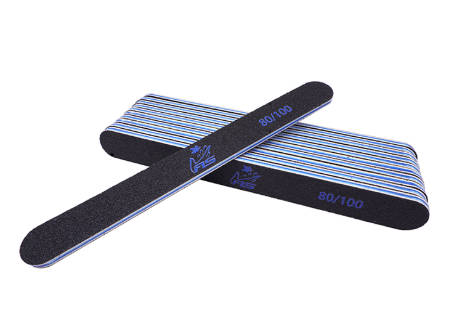
When exploring the topic of emery board vs nail file, it’s important to understand what each tool is and how it affects your natural nails. An emery board, meaning, refers to a thin, flexible nail file made of cardboard layered with fine abrasive material. This design makes it lightweight and easy to handle. It works well for shaping nails quickly. On the other hand, a glass file features a smooth, etched surface. It gently shapes nails without causing too much friction.
The difference between an emery board and a nail file lies mainly in texture and durability. Traditional emery boards are disposable after several uses. Glass files last longer and can be sanitized easily. The texture of each tool directly influences nail health. Emery boards can create rough edges if used harshly. Glass files leave a smooth finish that seals the nail tip.
The Texture and Abrasiveness Factor
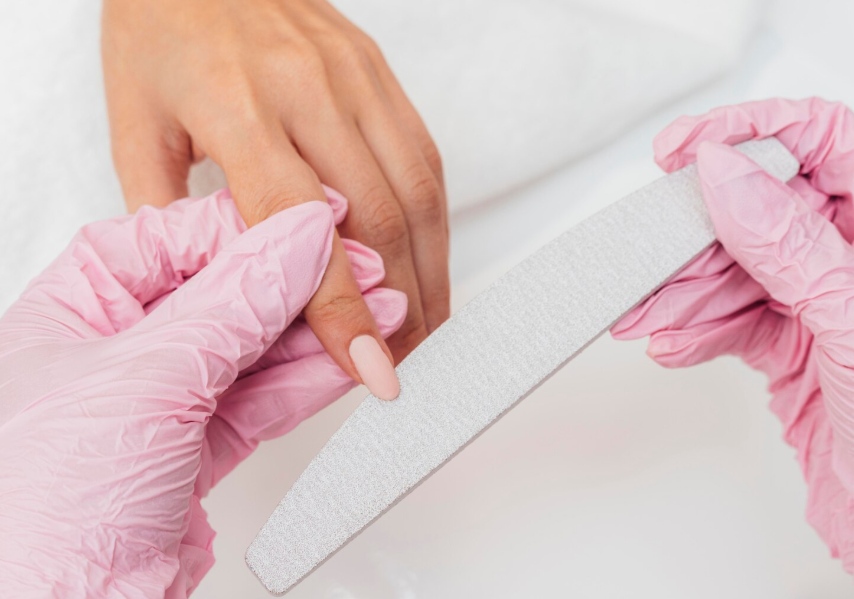
Emery boards tend to have coarser grit levels. They shape nails faster but may also cause micro-tears along the edges. This is particularly important when learning how to use an emery board correctly. Always file in one direction to minimize damage. In contrast, glass files provide a smoother filing experience. They effectively seal the keratin layers at the nail edge. This helps prevent splitting or peeling.
The right grit level depends on your natural nail type. Thick or strong nails can handle lower grit numbers. These are coarser surfaces. Thin or brittle nails benefit from finer grit or glass options. Such choices reduce stress on the nail plate. Choosing wisely ensures both efficiency and protection during regular manicures.
How Each Tool Affects Nail Health
Can an Emery Board Damage Natural Nails?
Even though emery boards are handy, using them too often or with harsh filing can make natural nails weaker as time passes. Filing with force or moving back and forth raises the chance of layers peeling off at the nail tip. Also, emery boards get worn fast. They need to be changed often to keep things clean and working well. When they get smooth, the rough part turns bumpy. This can snag rather than shape nails smoothly.
The Benefits of Using a Glass File for Natural Nails
Glass files offer several benefits for maintaining healthy, natural nails. Their finely etched surface provides consistent pressure distribution across the nail edge. This minimizes fraying or splitting. They are also easy to sanitize. Simply rinse them under warm water with mild soap after each use. This makes them more hygienic than disposable alternatives. Since glass files don’t wear out easily, they support sustainable beauty routines. They reduce waste and offer long-term value.
Choosing the Right Tool Based on Nail Type
Which File Works Better for Thin or Brittle Nails?
For those with thin or brittle nails, using an emery board may be too abrasive unless it has an ultra-fine grit surface. A glass file is typically better suited. It gently shapes without tearing delicate layers. Pairing this with moisturizing cuticle oils helps reinforce flexibility. It also prevents breakage over time.
When Should You Use an Emery Board Instead?
An emery board remains useful when working on thicker natural nails or artificial extensions. These cases require quick shaping. Its coarse surface removes length efficiently. You can then refine with smoother tools like a glass file. For travel convenience or temporary grooming needs, emery boards’ lightweight design makes them easy to carry anywhere. Selecting finer-grit versions minimizes potential harm while still delivering effective results.
Caring for Your Nail Tools
How to Clean and Maintain Your Nail Files Properly
Cleaning an Emery Board
After each use, wipe your emery board gently with a dry cloth. This removes dust and debris. Avoid soaking it in water. Moisture weakens its adhesive layers and shortens its lifespan.
Sanitizing a Glass File
Rinse your nail file under warm running water using mild soap after every manicure session. Let it air dry completely before storing it away. This prevents bacterial buildup or residue accumulation.
Felice Beauty’s Approach to Nail Care Excellence
Felice Beauty’s Professional Nail Care Tools Collection
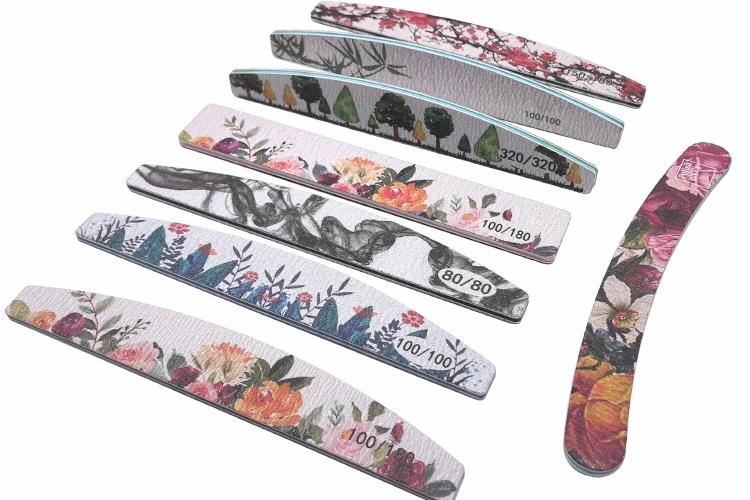
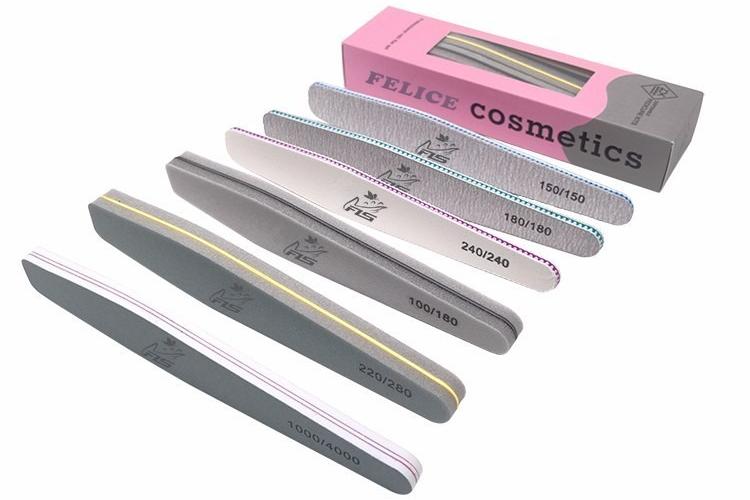
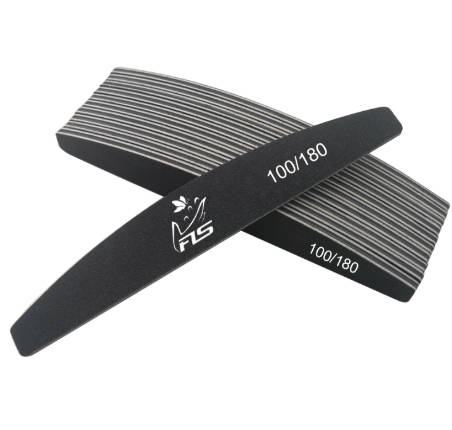
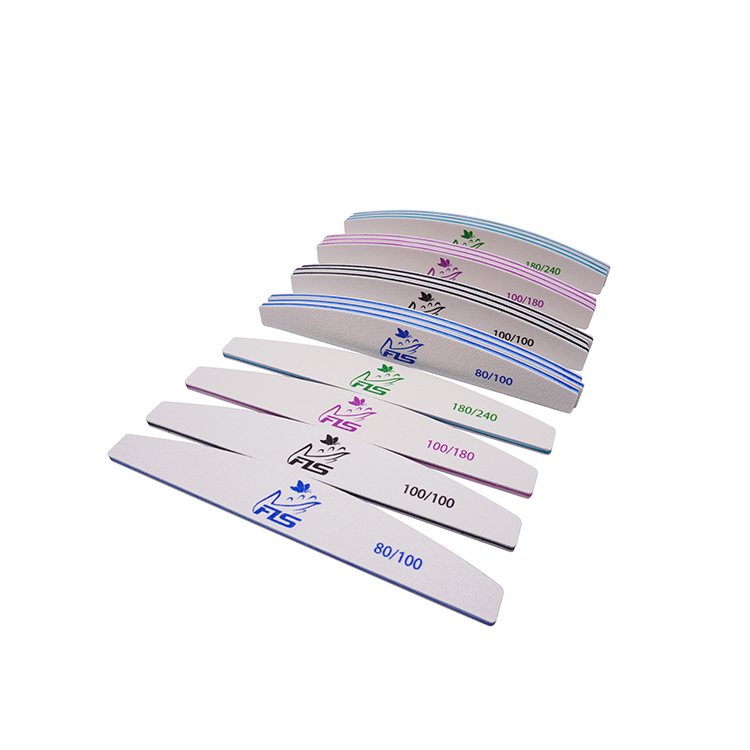
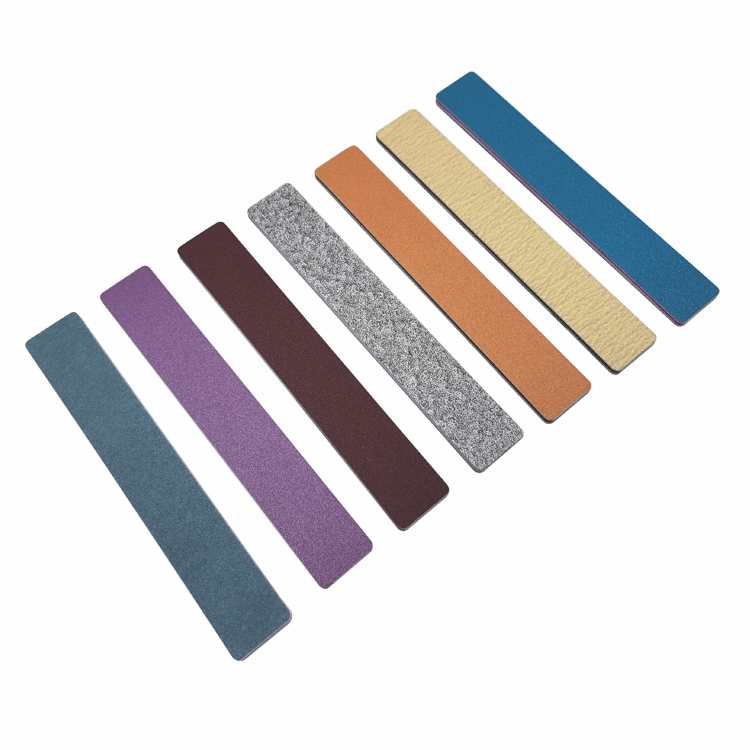
At Felice beauty, we take pride in designing precision-crafted tools. Our professional, high-quality, custom private logo zebra grey nail file and emery board models deliver salon-grade results at home.
We offer everything you need. This includes sandpaper files and sponge buffers. All items are crafted for durability and comfort during regular maintenance routines. Our products emphasize hygiene through washable materials. They also feature ergonomic shapes that make everyday care effortless yet professional.
Each of our custom-designed tools reflects our dedication to enhancing natural beauty safely. They support eco-friendly practices through reusable designs like durable sponge buffers and replaceable sanding surfaces.
Why Choose Felice Beauty Products?
At Felice beauty, we prioritize quality above all else. We use tested materials known for performance consistency across various grit levels. These suit both professionals and home users alike. Our ergonomic designs ensure comfort during extended use without compromising precision shaping results.
We pursue “Honest, High Quality, First-Class Service”. We sincerely welcome customers abroad and at home to visit our company for further negotiation and possible cooperation. This helps explore a mutually bright future. Customers appreciate our sustainable packaging solutions. They also value long-lasting product life cycles that reduce replacement frequency while maintaining superior finish quality every time you groom your nails.
FAQ
Q: What is an emery board?
A: An emery board is a type of flexible cardboard-based nail file coated with abrasive material. It is used for shaping fingernails or toenails efficiently.
Q: Is an emery board bad for natural nails?
A: While not inherently harmful, using one too aggressively can cause peeling or splitting. This is especially true on thin nails. Always opt for fine-grit versions when possible.
Q: How often should I replace my emery board?
A: Replace every few weeks or sooner if you notice uneven surfaces. Dull abrasives may tear instead of smoothing your tips effectively.
Q: Can I use both an emery board and a glass file in my routine?
A: Yes. Many people first shape longer edges with an emery board. They then refine with a glass file to seal tips smoothly for polished results.
Q: What is the difference between an emery board and a nail file?
A: Both serve similar purposes but differ in material composition. Emery boards use sandpaper-like coatings on cardboard bases. Metal or glass files feature solid structures. These offer longer durability and gentler finishes on natural nails.