How Different Nail File Materials Influence Nail Health
What Are the Common Types of Nail File Materials?
Knowing how each nail file material works with natural nails helps maintain nail strength and prevent harm. The usual options are emery boards, glass files, metal files, and ceramic files. They each offer varying degrees of roughness and long-lasting quality.
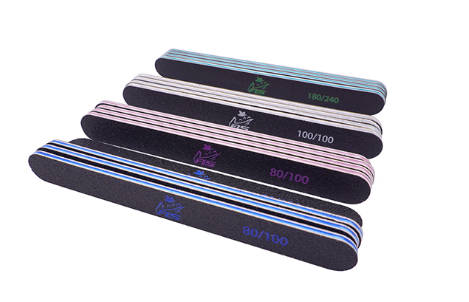
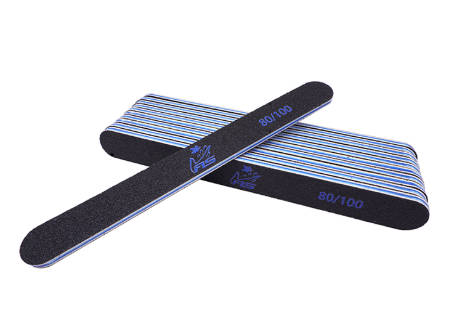
Emery boards often come from layers of sandpaper on a cardboard core. These allow fast shaping yet break down more quickly. Glass and ceramic files stand out due to their even surfaces. Such surfaces seal the nail tips effectively. Metal files endure for a long time. Yet they may seem rough with heavy use.
The choice of personalized nail file materials changes how the nail surface feels. It also helps keep nails healthy for years. Glass files smooth the edges in a soft way. They avoid any damage to the keratin layers. Coarse metal files often create small cracks. This risk grows when nails are thin. Choosing the best nail file material depends on your nail type. It also depends on how often you file. And it depends on the finish you want.
How Does Each Material Interact with Natural Nails?
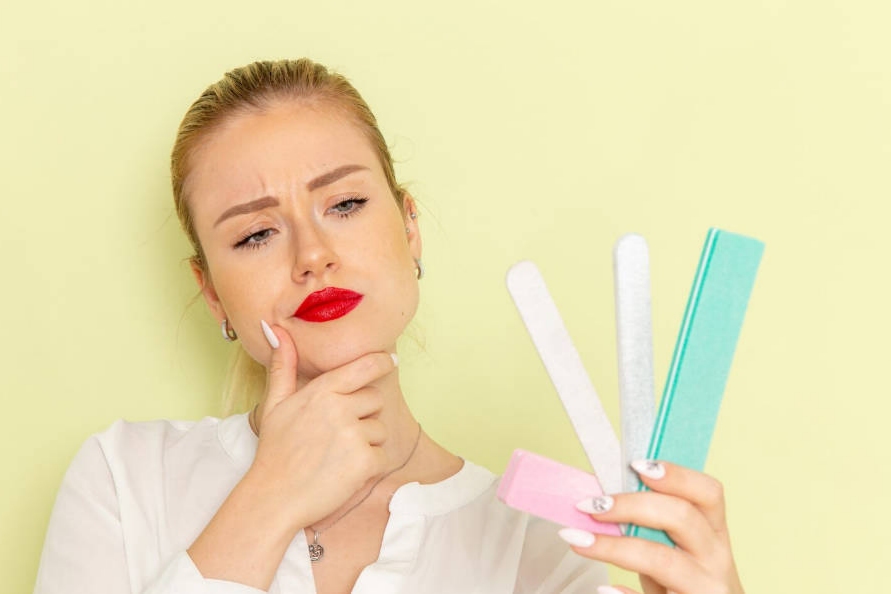
Each material affects natural nails in its own way. Glass files and crystal files create a smooth edge. This seals the keratin layers and helps cut down on splitting. People with nails that peel or turn brittle often find them useful. Metal files hold up well over time. Yet they can feel too harsh on soft nails when pressed hard. Emery boards shape nails fast. Still, their grit fades after many uses.
Ceramic files mix gentle abrasion with a long life. They offer a balance between speed and protection. When comparing an emery board vs. a nail file, emery boards are disposable and less durable. Reusable glass or ceramic options keep steady performance over time.
Which Nail File Material Is Safest for Regular Use?
For regular manicures, fine-grit glass or ceramic files count as the gentlest picks. They create smooth edges and skip any microtears. Steer clear of very rough stuff that can weaken nails little by little. Use good habits like filing only in one direction. This lowers rubbing and stops harm, no matter the file type.
When choosing between a nail buffer and a nail file, remember that buffers polish the surface to add shine. Files shape the edges. Using both correctly ensures healthier nails without too much thinning.
The Impact of Grit Level on Filing Speed and Nail Condition
What Does “Grit” Mean in a Nail File?
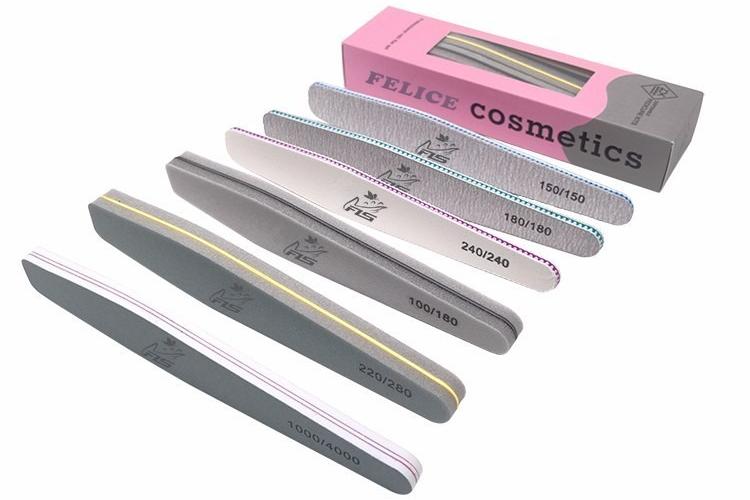
Grit refers to the coarseness level of a file’s surface. It is measured by numbers such as 80, 180, or 240. Lower numbers show coarser grit for faster filing. Higher numbers stand for finer grit that suits polishing or finishing touches. The grit level greatly influences both filing speed and final texture.
How to Choose the Right Grit for Your Nails?
For Natural Nails
Fine grit between 180 and 240 does a good job of shaping natural nails. It avoids any peeling or cracks. A premium fine-grit file offers accurate control. At the same time, it keeps the nails strong.
For Artificial or Acrylic Nails
Medium to coarse grit (80–150) works best for artificial enhancements. Thicker materials need stronger abrasion to shape efficiently. The best nail file to remove gel polish usually falls within this range. It removes hardened coatings quickly without harming extensions underneath.
Can Grit Affect Filing Speed and Smoothness?
Yes, grit directly affects both speed and finish quality. Coarse grits remove length quickly but may leave rough edges. These edges need refining with finer grits afterward. Finer grits take more time but give smoother results that suit daily maintenance. Balancing speed with safety depends on matching grit levels to your nail type.
Techniques to Protect Nail Health During Filing
How Can You Prevent Damage While Filing?
To protect your nails during filing, follow these steps. Always file in one direction. Avoid sawing back and forth. Keep nails dry before filing. This prevents bending or splitting. Apply moderate pressure. Too much force weakens edges over time. These steps help preserve natural flexibility while avoiding extra stress on keratin layers.
Common Mistakes That Harm Nails Over Time
Frequent mistakes include using worn-out files that create uneven abrasion patterns. Another issue is choosing the wrong grit levels for delicate nails. People also skip post-filing care such as moisturizing cuticles and sealing edges with oil or top coat. Proper hygiene also matters when learning how to clean nail files and buffers, especially reusable ones like glass or ceramic models.
Why Material Quality Matters: Insights from Felice Beauty Products
What Makes Felice Beauty Nail Files Stand Out?
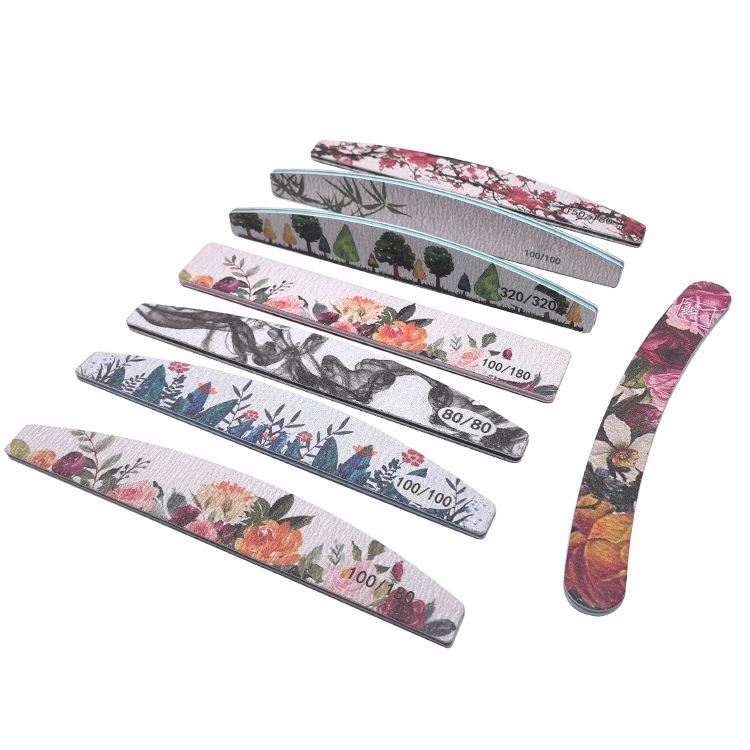
At Felice beauty, we design professional-grade glass and ceramic files. These files are made for precision care across all nail types. Our website presents a wide range of products, including nail file & nail buffer categories such as sandpaper nail file, sponge nail file, wood nail file, glass nail file, and replaceable nail file set. We focus on creating tools that balance durability with gentle abrasion. These tools suit salon professionals and home users alike.
We offer custom nail file solutions through OEM/ODM services. Clients can personalize shapes, colors, packaging, or branding according to their needs. All products can be designed and produced as per the customer’s request. A pre-production sample is always available for quality check before the bulk order.
How Do Felice Beauty Files Support Healthy Nail Maintenance?
Our high-quality glass and ceramic files feature a smooth filing motion. This motion reduces splitting or peeling while keeping a consistent texture after repeated use. They are hygienic and easy to clean under warm water without losing effectiveness. They are built from premium materials that are tested for long-term durability.
Practical Tips for Selecting Your Ideal Nail File Combination
Matching Material and Grit to Your Routine Needs
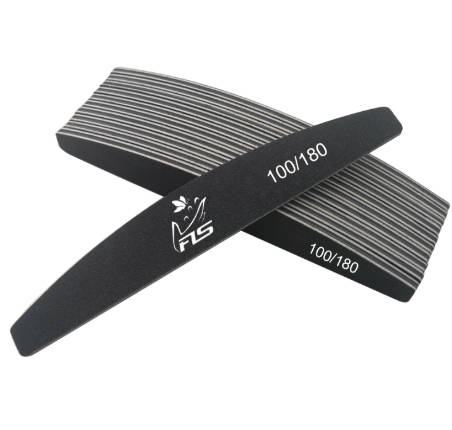
Combine medium-grit emery boards (100–180) for initial shaping with fine-grit glass files (240+) for finishing touches. These touches seal edges smoothly. This combination maximizes efficiency while reducing potential damage from over-filing.
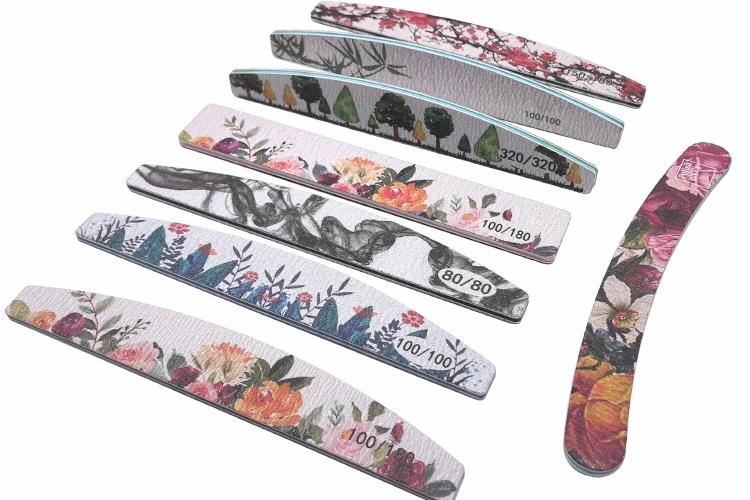
If you prefer eco-friendly options or seek personalized aesthetics, opt for personalized nail file materials such as printed sponge buffers. These are available through custom orders in Felice beauty’s product line. Regularly inspect your tools and replace disposable boards every few weeks when they lose texture or become uneven.
How Often Should You Replace a Nail File?
Single-use emery boards need changing on a regular basis. This happens because they wear down from the buildup of friction. Glass or ceramic files differ here. They can endure for many years. You just need to clean them well after every use. Apply a mild soap with water. Then allow full air drying.
Whether comparing salon board vs nail file options or exploring reusable alternatives prioritize consistent grit texture retention over time as an indicator of quality craftsmanship.
FAQ
Q: What is the difference between a glass file and an emery board?
A: Glass files have finely etched surfaces that seal nail edges smoothly. Emery boards use layered abrasive paper that wears out faster but works well for quick shaping tasks when portability matters most.
Q: Can using a coarse nail file damage my nails?
A: Yes, rough grits may create tiny breaks when applied with too much force on natural nails. Save those grits mostly for artificial enhancements. These include acrylics or gels.
Q: How do I clean my reusable tools safely?
A: Rinse glass or ceramic models under warm water with mild soap after each session. Avoid soaking wooden boards since moisture weakens their adhesive layers. This is a crucial step when understanding how to clean nail files and buffers effectively.