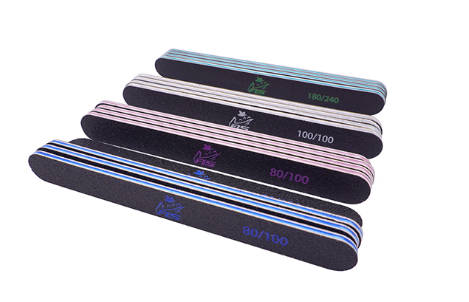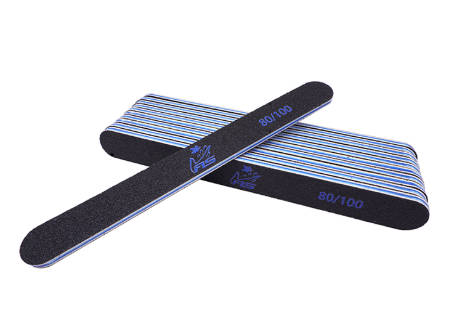
The foot file vs pumice stone decision depends on how much hard skin must be reduced, how precisely the user can control the abrasive, and whether the tool fits the planned hygiene routine. A foot file offers a manufactured working surface and may include coarse, fine, fixed, or replaceable abrasives. A pumice stone provides a gradual manual option for light rubbing.
Foot File vs Pumice Stone: How Do They Remove Hard Skin?
Both tools rely on friction, but their surfaces and handling are different. The right comparison looks at consistency, pressure control, cleaning instructions, and replacement timing rather than assuming that one tool is always stronger or safer.
What Is the Practical Difference in Surface and Control?
A manufactured foot file can be designed with a defined shape, handle, abrasive grade, or replaceable working surface. That gives buyers specific fields to compare and test. A pumice stone has a naturally porous surface, so its shape and texture may be less standardized from one piece to another.

For thick, localized hard skin, a handled file may help the user direct pressure to a particular area. A stone can be moved gently over a broader area during routine care. In both cases, heavy pressure is a warning sign that the surface may be too worn, too fine for the job, or being used for too long.
Should Callus Care Be Wet, Dry, or Guided by the Tool?
The product instructions should decide whether a tool is intended for wet use, dry use, or both. Water can change skin softness and may also affect adhesives, wood, replacement pads, or storage requirements. Buyers should not copy wet-use instructions from one material to another.
Public health guidance recommends gently rubbing a corn or callus with a washcloth or pumice stone while bathing. It also warns against cutting or shaving the area and advises people with diabetes or circulation problems to consult a doctor.
Which Is the Best Foot File for Cracked Heels and Calluses?
The condition of the skin matters more than the product label. A small amount of dry, thickened skin calls for a different approach from a deep, painful, bleeding, or inflamed crack.
What Should Buyers Look for in a Tool for Thick Calluses?
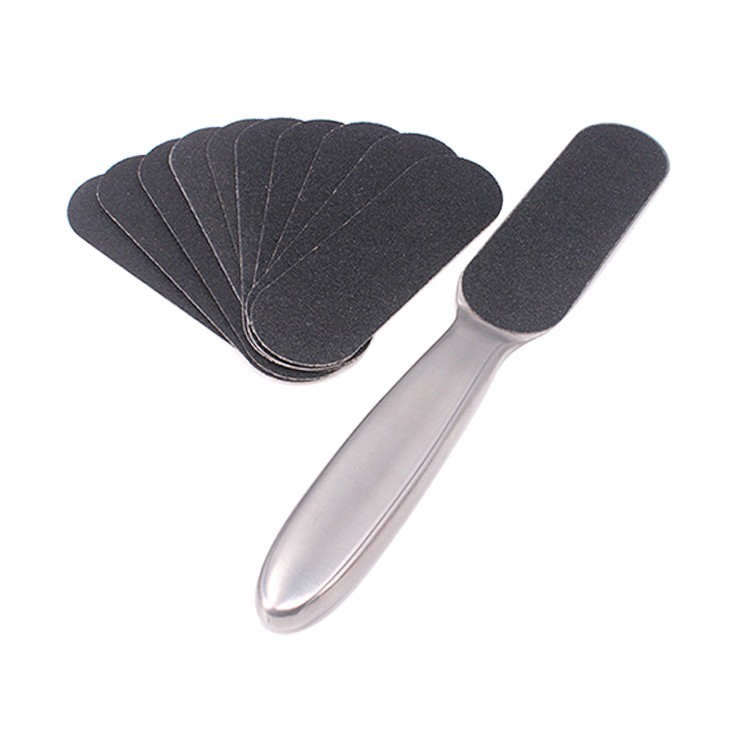
For a substantial but uncomplicated callus, compare abrasive area, handle grip, coarse/fine labeling, replacement method, cleaning instructions, and how quickly the surface becomes smooth. A dual-sided file can separate initial reduction from finishing, while a replaceable abrasive foot file lets the working surface be changed without discarding the handle.
Can a Fine Side or Stone Be Better for Finishing?
A finer surface can be useful after the thickest roughness has been reduced. It allows smaller corrections and may make it easier to stop before the skin becomes tender. A pumice stone can also play a finishing or maintenance role when used gently and kept according to its care instructions.
The user should inspect the area during the process. If the skin becomes sore, red, broken, or painful, filing should stop. More abrasion is not a substitute for addressing friction, footwear, moisture balance, or a health condition that keeps the problem returning.
How Do Glass, Electric, and Metal Foot Files Compare with Pumice?
Material-specific searches often imply that a label guarantees performance. It does not. Buyers should ask for construction details, intended use, cleaning method, replacement guidance, and samples before accepting claims about speed, durability, or safety.
Glass Foot File vs Pumice Stone: What Should Buyers Verify?
When researching a glass foot file vs pumice stone, ask whether the glass surface is etched, coated, or otherwise textured; whether it is intended for wet or dry use; and how it should be inspected and cleaned. Those answers must come from the product specification, not from the word “glass” alone.
The same rule applies to a nano glass foot file vs pumice stone comparison. “Nano” is a marketing label unless the supplier explains what it means for that product. Buyers should request a sample and written care instructions rather than assuming a standard grit, cutting rate, or safety level.
Electric or Metal Foot File vs Pumice Stone: What Changes?
An electric foot file vs pumice stone comparison adds power settings, replacement heads, operating time, charging or battery details, and guards to the purchasing checklist. Because those specifications vary, no operating recommendation should be made without a verified product manual.
A metal foot file vs pumice stone comparison is different. A metal file may use a permanent textured surface or act as a rigid holder for replaceable abrasive sheets. The second format allows the abrasive to be renewed while retaining the handle, but buyers still need verified grit, pad attachment, cleaning, and replacement instructions.
Are Foot Files Bad for Your Feet, and Are Glass Foot Files Safe?
Tools are not automatically harmful or safe based on their category name. Condition, technique, instructions, and the user’s health all affect the result. Responsible product copy should explain limits instead of promising that a tool cannot cause damage.
What Use and Care Factors Affect Foot-File Safety?
Are foot files bad for your feet? They can cause problems when used with excessive pressure, applied to broken or inflamed skin, or continued after the working area becomes tender. A damaged, dirty, or badly worn abrasive also makes controlled use harder.
Instructions should cover intended wet or dry use, cleaning, complete drying, storage, surface inspection, and replacement. Users should never cut or shave a callus. People with diabetes, reduced circulation, persistent pain, bleeding, or signs of infection should seek medical advice instead of self-treating aggressively.
What Must Be Verified Before Calling a Glass Foot File Safe?
Are glass foot files safe? A defensible answer requires the exact construction and instructions. The buyer should verify edge finishing, breakage inspection, cleaning method, intended pressure, wet/dry compatibility, and replacement criteria. A cracked or chipped tool should not remain in use.
Without those facts, safety language should stay conditional. A product description may explain proper inspection and handling, but it should not claim universal safety or suitability for every user.
How Can Felice Beauty Support a Foot-Care Product Program?
At Felice beauty, we offer documented foot-file formats for B2B, salon, retail, and private-label programs. We use product specifications and samples to help buyers compare abrasive construction, handle design, refill format, grit, packaging, and care instructions.
Which Foot-File Formats Do We Offer for Comparison?
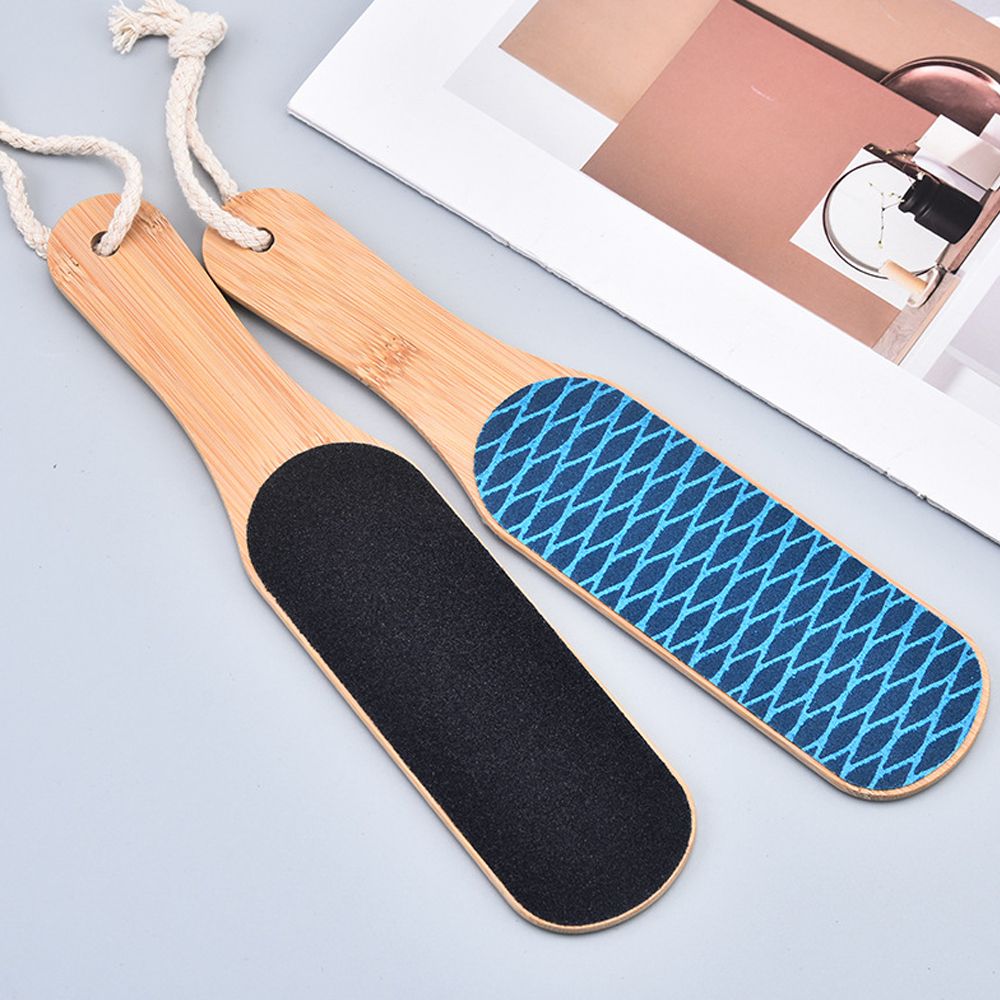
Our FLS-PFF-002 uses a stainless-steel handle with replaceable sandpaper. Its verified page lists 80, 100, 120, 150, 180, and 240 grit, plus simple and blister-card packaging options. Our records also include FLS-PFF-001 with a wider replaceable pad, FLS-PFF-003 with a wooden handle and coarse/soft sandpaper sides, and FLS-PFF-004 with a wooden handle and dual-sided emery.
How Do We Support Custom Packaging and OEM Planning?
We can discuss custom logos, shapes, sizes, abrasive colors, packaging, and replacement-pad configurations for relevant models. A buyer should provide the target market, sales channel, quantity, preferred handle, abrasive type, grit plan, pack contents, label language, and care requirements. We then use the applicable specification and sample process to confirm what can be supplied.
FAQ
Q: Is a foot file or pumice stone better for cracked heels?
A: A foot file offers more defined surfaces and may suit controlled reduction of thicker hard skin. A pumice stone can suit gentle maintenance. Neither should be used aggressively on painful, bleeding, or infected cracks.
Q: Are foot files bad for your feet?
A: Not when an appropriate surface is used gently on intact skin and the instructions are followed. Excessive pressure, poor hygiene, worn abrasives, or filing damaged skin can create avoidable risks.
Q: Are glass foot files safe compared with pumice stones?
A: Safety depends on the exact glass construction, edge quality, condition, cleaning method, and instructions. Buyers should not assume that every glass or nano-glass file has the same surface or use requirements.