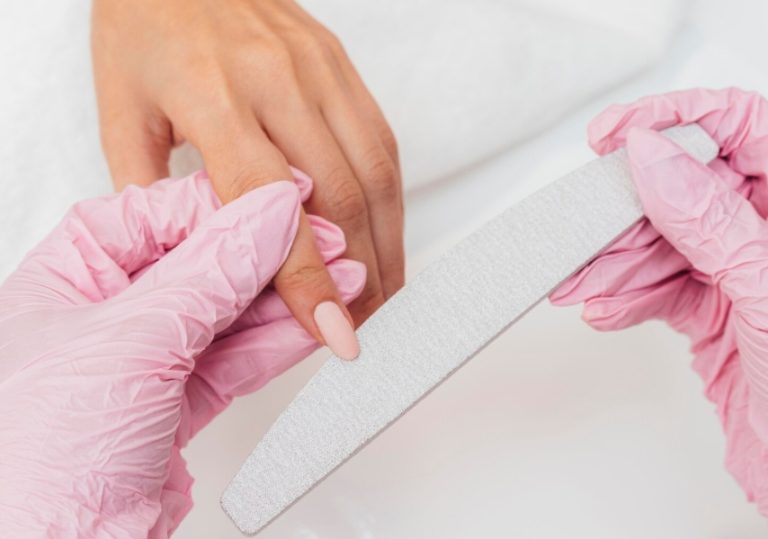
What Do the Numbers on an Emery Board Mean?
How Grit Numbers Define Nail File Texture
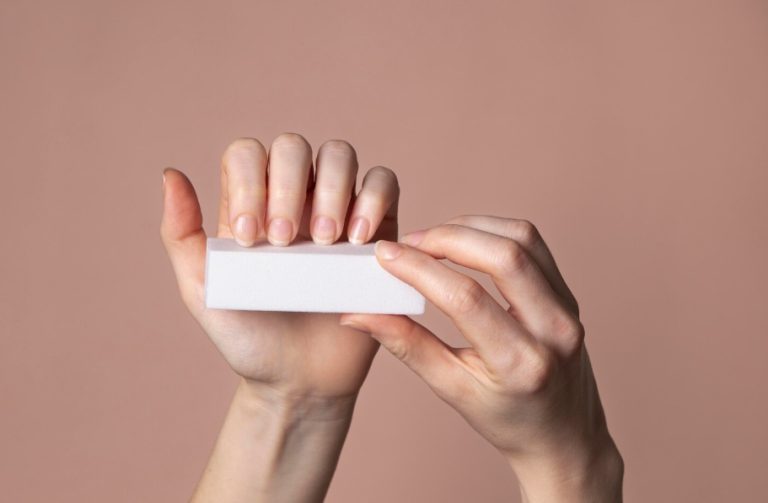
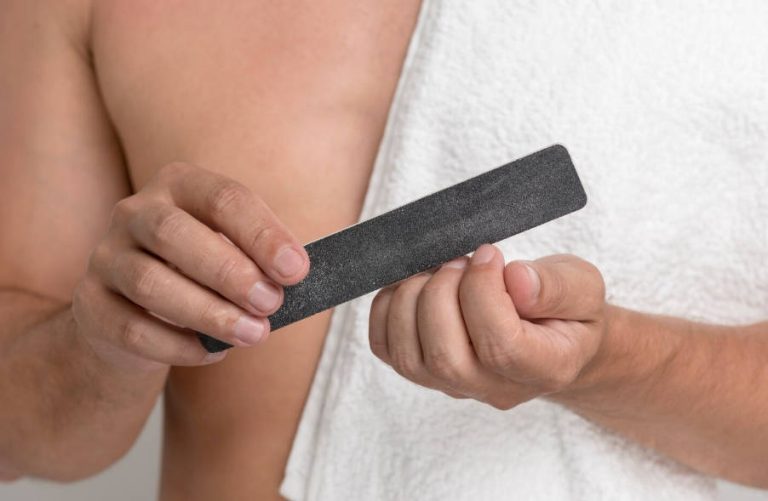
The numbers printed on an emery board show its grit level. This level sets how rough or smooth the surface feels. The grit number stands for the roughness or smoothness of the emery board surface. Lower numbers, such as 80 or 100 grit, match rougher textures. These work well for shaping thick or artificial nails. Higher numbers, like 180 or 240 grit, feel finer. They suit smoothing and finishing work.
When picking an emery board, knowing these numbers helps you decide which side of emery board to use for each step of your manicure. For example, a 100-grit side shapes acrylic nails fast. A 240-grit side gives a clean finish good for natural nails. This texture difference matters when you choose which grit emery board for natural nails should be used. Finer grits like 180 or higher stay gentler and safer.
Why Grit Selection Matters for Nail Health
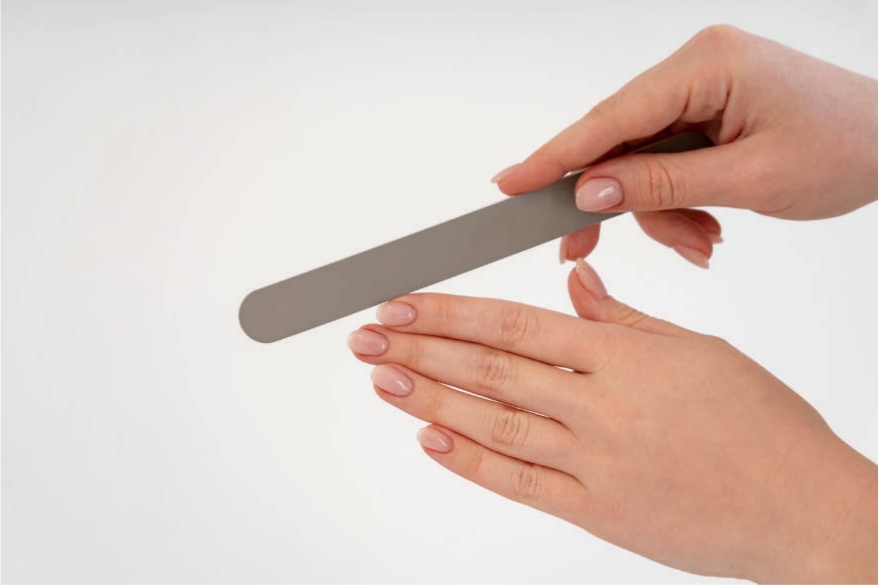
The wrong grit can affect nail health right away. Coarse files may lead to splitting, peeling, or cracking of the nail plate. The right grit keeps nails strong and smooth. It also cuts filing time and gives better results. Regular use of proper grits stops long-term harm. Your nails stay strong and healthy as a result.
Choosing the correct emery board material also affects how well it holds up and performs. When you compare emery board vs sandpaper, both have similar abrasive traits. Yet emery boards are made for nail care. They often include cushioned layers that give better control while filing.
Comparing 100/180 vs 180/240 Emery Boards
What Is a 100/180 Emery Board Used For?
A 100/180 emery board gives two levels of abrasiveness in one tool. The coarse 100-grit side shapes thick acrylics or gel extensions with ease. The smoother 180-grit side smooths edges and takes away any roughness left from heavy shaping.
This dual-grit file sees common use by professionals. It lets you shape and finish without changing tools. It fits salon settings where speed and accuracy count most. Home users who want professional results can use it too.
When Should You Choose a 180/240 Emery Board?
For delicate or natural nails, a 180/240 emery board offers a softer touch. The 180-grit side gives mild shaping power that does not weaken thin nail plates. The ultra-fine 240-grit side polishes surfaces to a glossy finish.
If you wonder which grit emery board for natural nails works best, this pair is ideal. It limits damage and still delivers smooth results. It also helps when you touch up manicures between salon visits or prep nails before polish.
Which Grit Combination Fits Your Nail Type Best?
How to Match Grit Levels with Nail Conditions
Different nail types need specific grits to avoid breakage:
- Thick or artificial nails do well with lower grits like 100/180.
- Natural or thin nails need finer grits such as 180/240.
- Regular care with moderate grit levels helps keep long-term strength.
For those checking what an emery board is made of, most good versions use resin-coated sandpaper stuck to foam or plastic cores. This setup gives flexibility and comfort during use. Knowing what emery boards are made of helps users see the design. It balances firmness with gentle abrasion for many nail conditions.
Techniques for Using an Emery Board Effectively
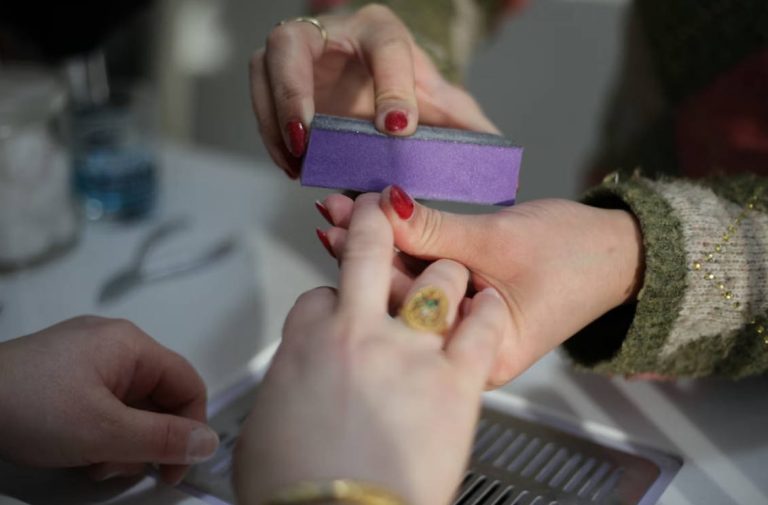
How to File Without Damaging Nails
To keep nails healthy:
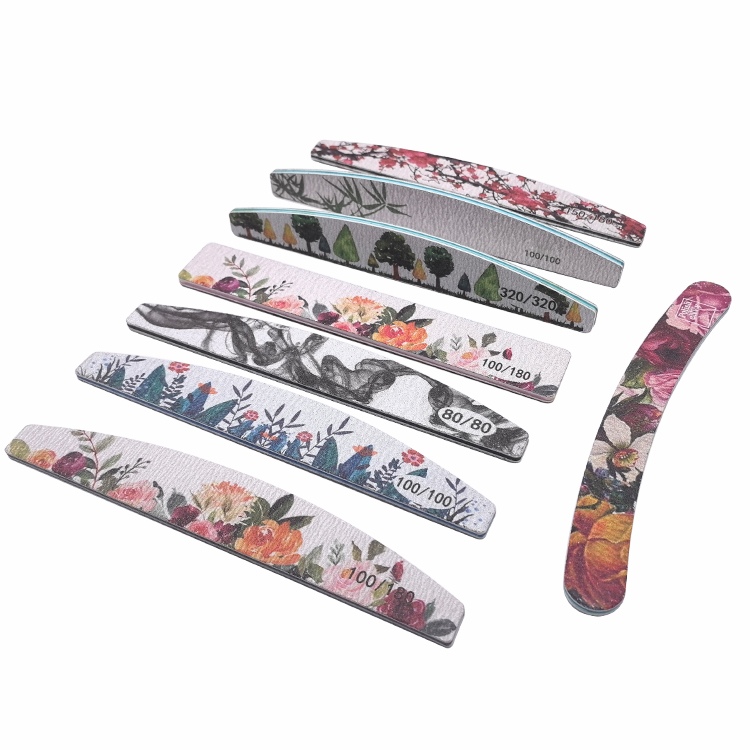
- Always file in one direction. Avoid sawing back and forth.
- Do not file wet nails. Moisture softens them and raises the risk of tearing.
- Use light pressure when you smooth edges to keep clean contours.
These steps help extend how long emery boards last by stopping early wear on the abrasive surfaces.
Finishing Touches After Filing
After you reach the shape you want:
- Buff lightly with fine-grit sides for shine.
- Put on cuticle oil or moisturizer to bring back moisture lost during filing.
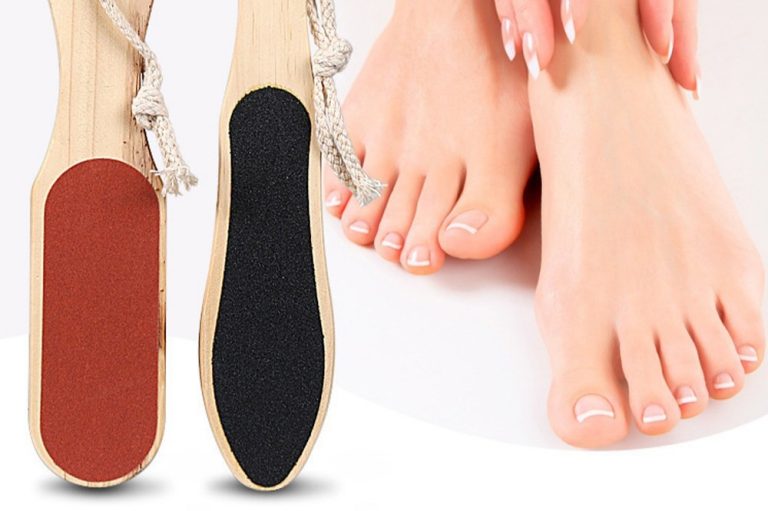
For pedicure routines that need tougher abrasion, an emery board for feet can help remove calluses with care when you pair it with proper foot care tools.
Felice Beauty’s Professional Emery Boards Collection
Why Choose Felice Beauty Nail Care Tools?
At Felice beauty, we focus on professional-grade nail art tools. These include premium-quality emery boards made for salons and home users. We offer one-stop shopping so you can find everything from nail files to buffers under one brand name.
Our dual-grit designs give precise shaping for all nail types, from acrylics to delicate naturals. They keep a steady performance over time. You can get all kinds of nail beauty products from our company. Every product shows our promise of “Honest, High Quality, First-Class Service.” This builds trust with professionals around the world.
Highlighted Products from Felice Beauty’s Range
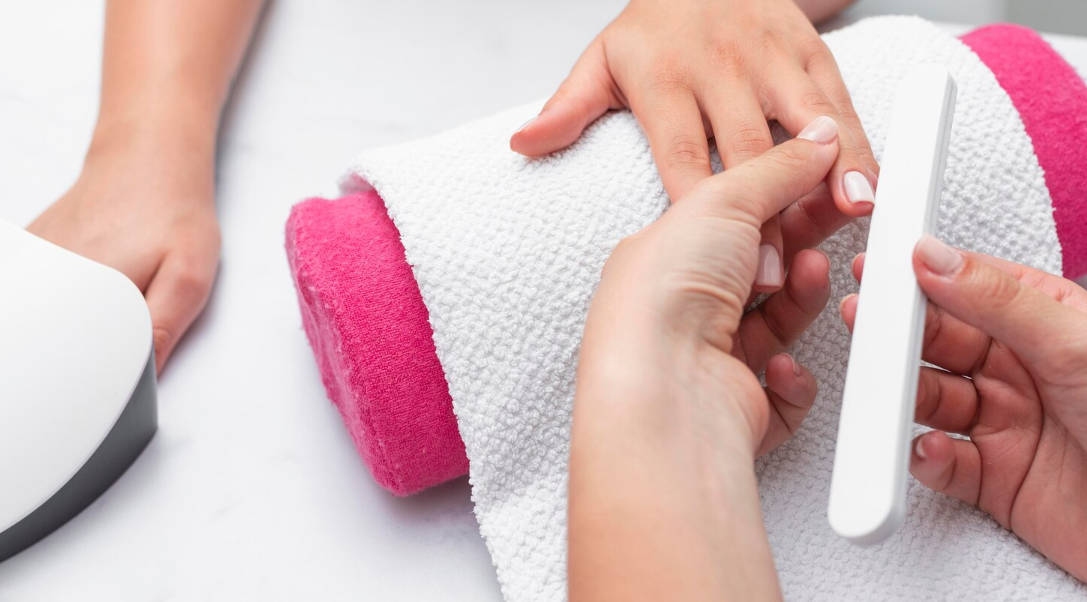
Felice Beauty Dual-Grit Emery Board (100/180)
This model gives the right mix of coarse shaping with 100 grit and refined smoothing with 180 grit. It uses durable Japanese sandpaper layers bonded over flexible EVA cores. This setup supports lasting performance even with frequent use.
Felice Beauty Fine-Finish Emery Board (180/240)
This fine-finish file is made for delicate nail care routines. It reaches salon-level shine at home without harming natural nails. Its lightweight build gives good control during detailed work and adds comfort through ergonomic design.
FAQ
Q: What Does “Dual-Grit” Mean in an Emery Board?
A: Dual-grit means each side has different coarseness levels. One side shapes while the other refines. This setup allows efficient multitasking during manicures.
Q: Can I Sanitize My Emery Board After Each Use?
A: Foam-based files should not be soaked. You can clean them with disinfectant sprays made for nail tools. This helps extend how long emery boards last while keeping hygiene standards.
Q: Which Emery Board Grit Is Best for Natural Nails—180 or 240?
A: Both work well based on your goal. Use 180 grit for gentle edge shaping. Switch to 240 grit when polishing surfaces smooth enough to take polish right after.
Q: What Is an Emery Board Made Of?
A: Most professional models combine resin-coated abrasive paper attached to flexible plastic or foam cores. This construction is known as quality emery board material that balances durability with comfort.
Q: Can I Use an Emery Board on Feet?
A: Yes. A specialized coarse-grit emery board for feet can safely remove rough skin areas when used alongside moisturizing treatments for complete pedicure care results.