Emery Board vs Nail File: Exploring the Key Differences
What Are Emery Boards and Nail Files Made Of?
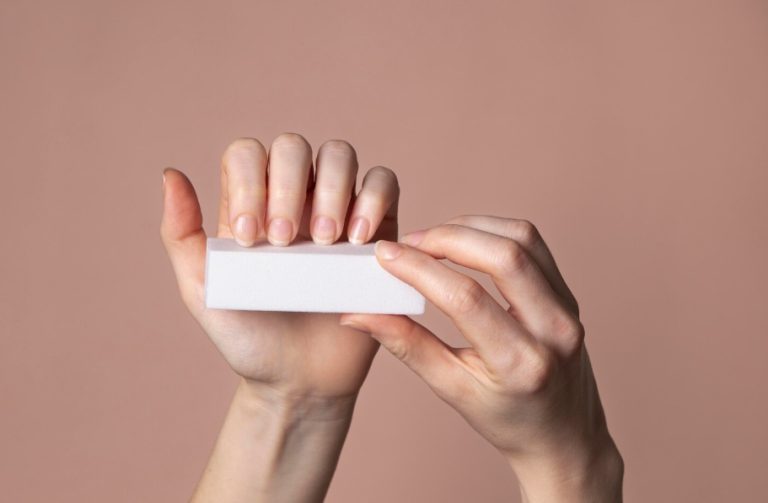
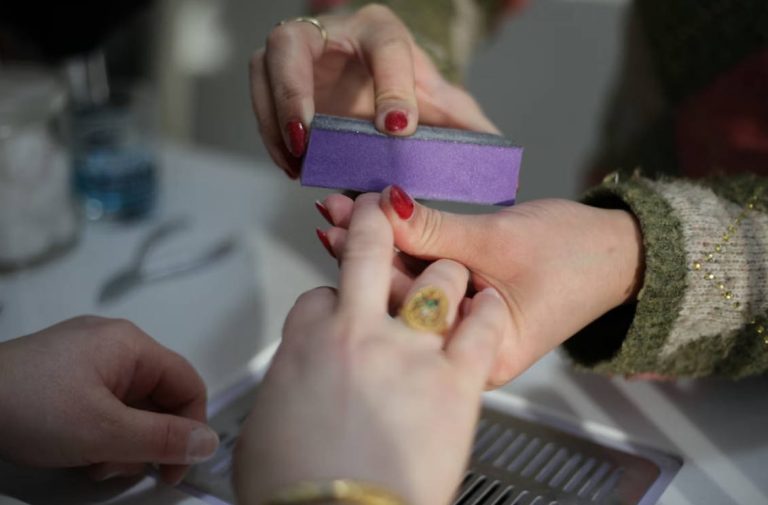
The difference between emery board and nail file begins with their material composition. Emery boards are usually made from cardboard or foam. These bases get coated with fine abrasive materials. That coating helps shape natural nails in a gentle way. The emery board material often uses layers of paper or sponge. An emery coating sits on top. It gives flexibility and smooth abrasion control. In contrast, nail files are crafted from more durable substances such as metal, glass, or crystal. Each offers unique grit textures for different nail types.
The choice of nail file materials greatly influences their performance. Metal files are strong and reusable. Glass files offer smooth finishes that suit natural nails. Sponge-based ones provide flexibility for buffing and polishing. The material affects durability. It also decides how much pressure can be applied without harming the nail plate.
How Do Their Textures Affect Nail Shaping?
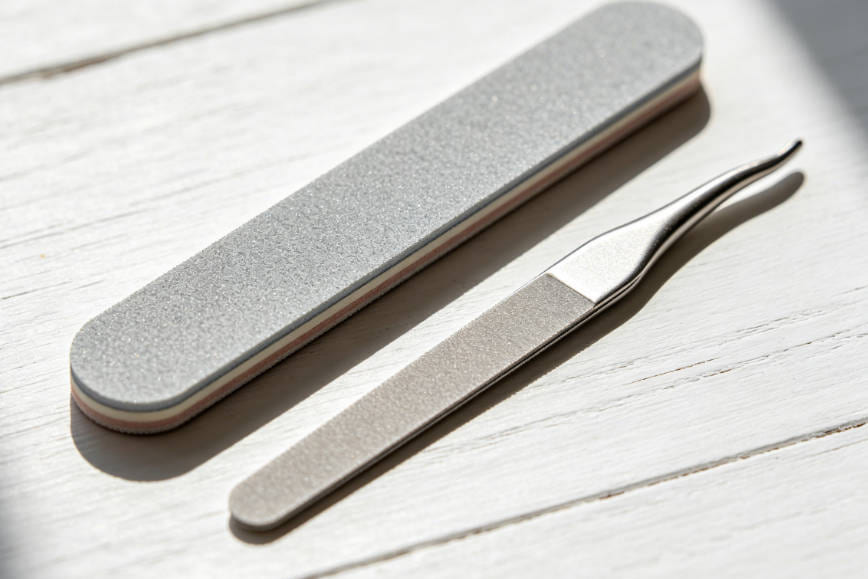
Texture plays a critical role in defining the emery board vs nail file experience. Emery boards generally have a coarser surface. This surface suits trimming and shaping softer nails quickly. Their grit levels vary widely. Finer grits deliver smoother edges. Coarse ones work best for shortening length efficiently.
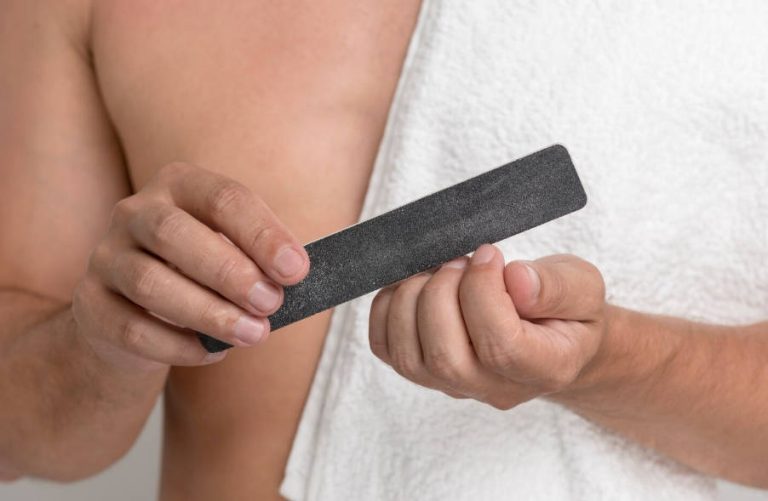
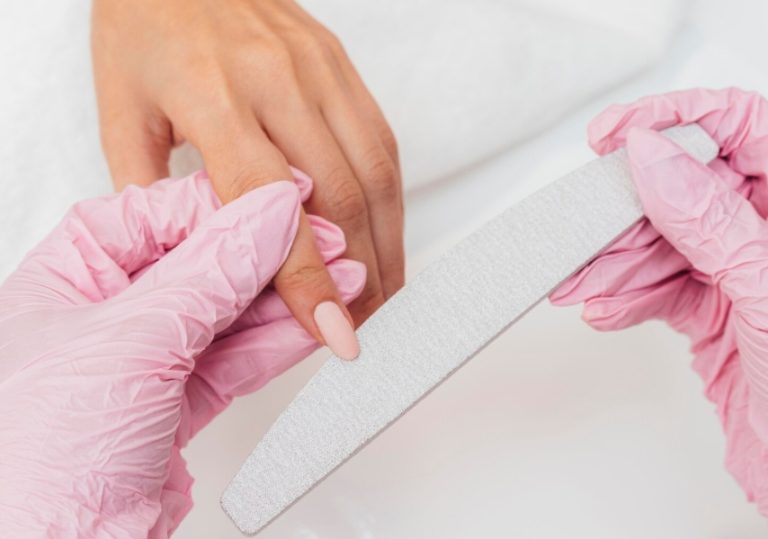
Metal or glass nail files provide smoother results. Their even abrasive surfaces glide gently over the nail edge. They avoid tearing keratin layers. Using the correct grit level is essential. It prevents splitting or peeling. Fine grits (240–400) are recommended for natural nails. Coarse grits (80–180) work better on acrylics or gel extensions.
Choosing Between an Emery Board and a Nail File: Which One Fits Your Needs?
When Should You Use an Emery Board?
An emery board is ideal for quick touch-ups. It also helps shape soft, natural nails at home or on the go. Its lightweight design makes it perfect for travel kits. Salon professionals often prefer disposable tools for hygiene reasons. The cardboard or sponge structure ensures gentle filing. This keeps healthy edges without excessive abrasion.
Because they are inexpensive and easy to replace, emery boards are excellent for maintaining manicures between professional sessions. They lower the risk of over-filing delicate tips.
When Is a Nail File the Better Option?
A traditional nail file becomes the better option when working with thicker nails. It also suits artificial enhancements like acrylics and gels. These require stronger abrasion power. Metal and glass versions stand out among the best nail file options. They last longer, resist wear, and give consistent grit distribution across surfaces.
For individuals seeking precise shaping results with minimal damage to natural layers, glass files remain a top choice. Their ultra-smooth texture seals keratin edges during filing.
How to Use Each Tool Correctly for Healthier Nails
Proper Filing Techniques for Different Tools
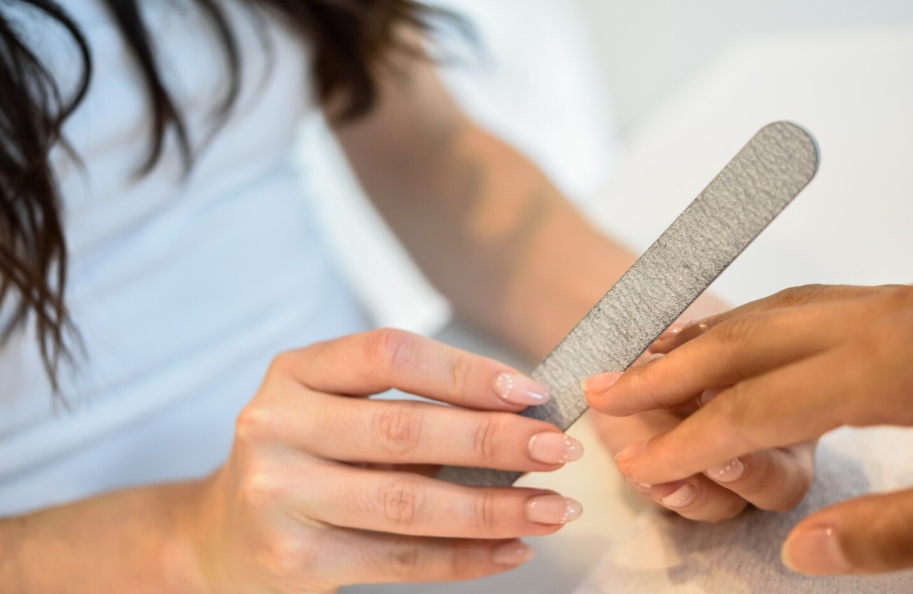
To ensure healthier nails regardless of tool type, always file in one direction. Avoid sawing back and forth. That common mistake leads to splits. Match grit levels according to your nail type. Fine grit (240–400) suits natural nails. Medium (180) works well for gel overlays. Coarse (80–120) is best reserved for artificial enhancements.
Clean your tools regularly using mild soap or disinfectant spray. This maintains hygiene standards. It matters especially when sharing equipment in professional settings.
Common Mistakes to Avoid While Filing Nails
Avoid aggressive motions. They weaken edges or cause delamination between layers of keratin. Never use overly coarse textures on thin or brittle nails. This can lead to painful peeling. Replace worn-out emery boards once surfaces feel smooth. Dull abrasives create uneven results. Those results snag polish later.
Felice Beauty’s Approach to Professional Nail Care Tools
Why Choose Felice Beauty’s Nail Files and Emery Boards?
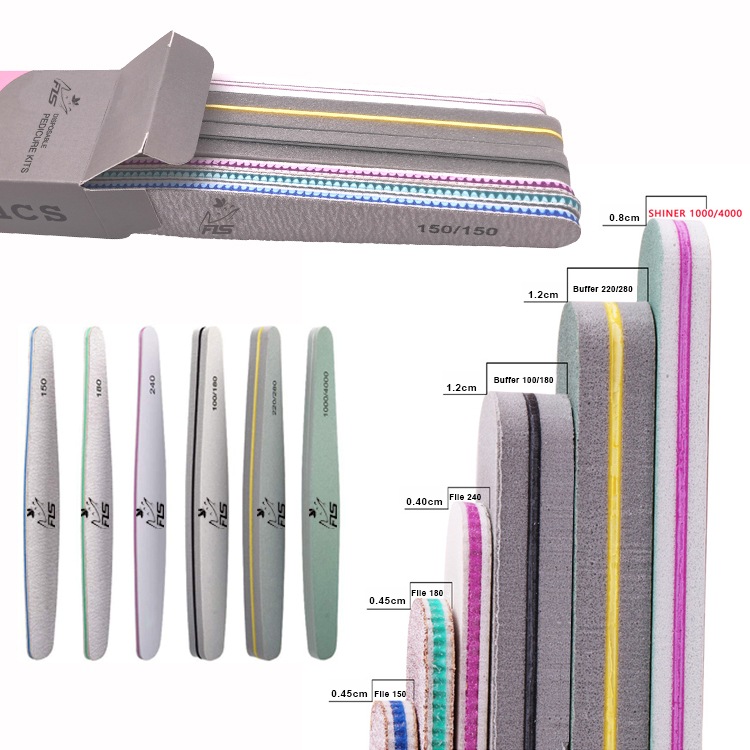
At Felice beauty, we specialize in producing expertly crafted tools. These tools suit both professionals and home users who want salon-grade performance. At Felice beauty, we offer a comprehensive range of sandpaper nail files, sponge buffers, glass files, polishing shiners, and replaceable systems under one platform.
You can get all kinds of nail art products from Felice beauty, like gel polish, nail lamp, nail drill, nail dust collector, nail tips, nail sticker, nail art tools, nail decoration, etc. Our emery boards feature balanced abrasiveness. This protects natural nails from damage while ensuring smooth finishes suitable even for sensitive cuticles.
We design every professional, high-quality, custom private logo nail file with ergonomic comfort in mind. Users can achieve precision shaping effortlessly during manicures or pedicures alike.
How Felice Beauty Enhances Your At Home Manicure Experience
We focus on creating salon-grade outcomes through user-friendly designs. These designs rely on sustainable materials. They promote both performance efficiency and eco-responsibility standards. All products can be designed and produced according to the customer’s request.
A pre-production sample is always available for quality check before a bulk order. Each tool undergoes rigorous testing. This ensures consistent quality across every batch. It works well whether you are perfecting daily maintenance routines or building a professional kit collection.
Our approach merges craftsmanship with innovation. Customers experience lasting durability comparable to top-tier salon instruments. Yet the tools remain accessible within home care budgets.
FAQ
Q: What Emery Board or Nail File Grit Is Best for Natural Nails?
A: A fine grit between 240–400 works best. It allows gentle shaping without causing splits. It also maintains smooth edges suitable even after polish application.
Q: How often should I replace my emery board?
A: Replace it every few uses once its surface feels dull. Worn abrasives produce uneven edges. Those edges lead to chipping over time.
Q: Are glass nail files better than traditional ones?
A: Yes. Glass variants deliver smoother finishes. They seal keratin layers effectively. They also last longer than cardboard-based types. This makes them ideal investments in consistent at-home maintenance routines.
Q: Is an emery board the same as a nail file?
A: While both serve similar purposes in shaping nails, the emery board vs nail file difference lies mainly in material composition. Emery boards use coated foam or paper. Traditional files employ metal or glass bases. These offer higher precision control.
Q: What’s the best emery board for feet?
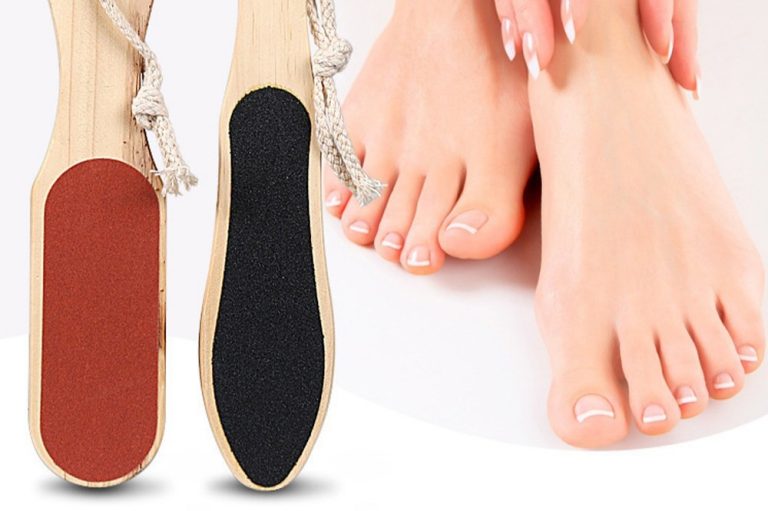
A: Choose extra-coarse options around 80–100 grit levels. These are designed specifically for thicker toenails. They remove roughness efficiently without excessive effort. This ensures safe pedicure preparation every time.