What Do Emery Board Grit Numbers Mean: 180 vs 240?
Why Does a Lower Number Feel More Abrasive?
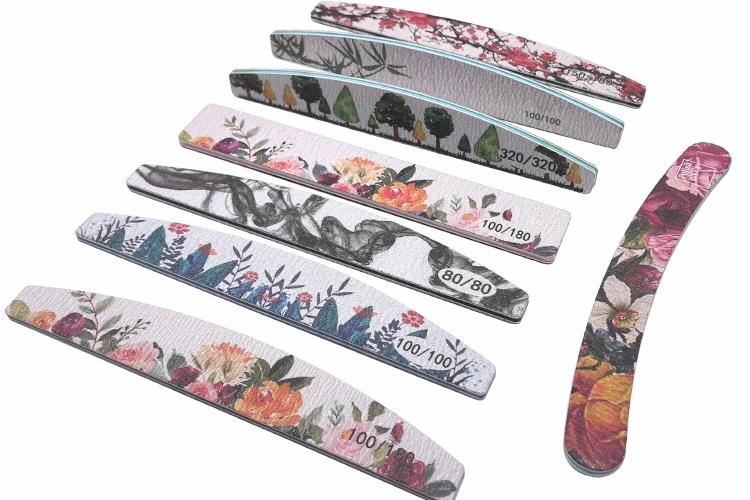
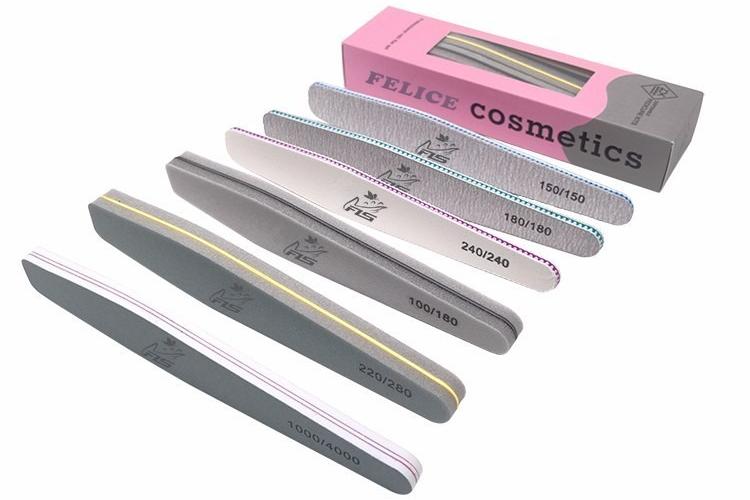
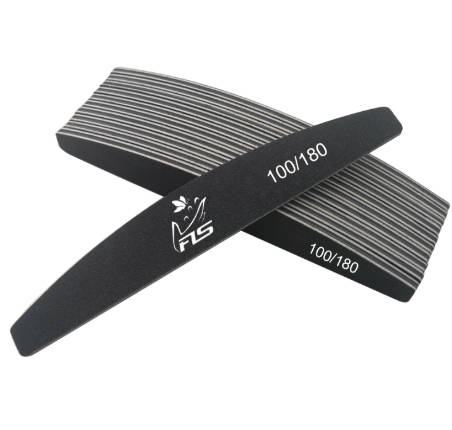
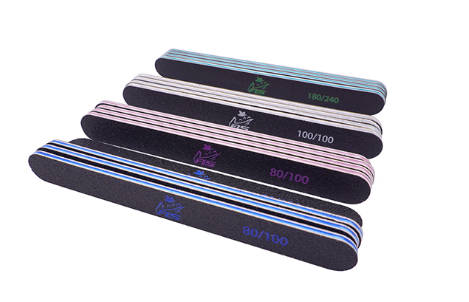
The emery board grit numbers operate in a backward fashion. A lower digit points to a rougher texture. On the other hand, a higher digit means a much smoother face. Standard market requests often include 80, 100, 120, 150, 180, 240, and 320 grit. If you look at that specific emery board grit scale, 180 lands firmly on the heavy shaping end. Meanwhile, 240 delivers a soft, polished finish.
A rougher texture does not automatically mean a better tool. A quick-cutting side definitely saves precious time when you must trim length. However, it demands very careful hand pressure. A smoother face takes off material at a much slower pace. This gentle action makes edge refinement incredibly easy. You can finish the job without constantly fixing the overall shape.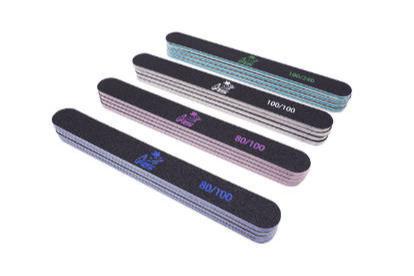
Is 180 or 240 Better for a Smoother Edge?
If you want a perfectly smooth final edge, 240 grit is normally the smartest pick. You can use it right after the 180 grit. You do this once the main nail outline is ready. This distinct two-step method splits heavy shaping from delicate finishing. It works much better than forcing a single surface to handle both tasks.
Sometimes the nails are already quite close to your target length. In those cases, starting straight with 240 might be totally sufficient. If they require serious shortening, 180 will cut down the effort early on. Then, the smoother side can finalize the edge. The user must stop filing as soon as the outline looks even. You should never keep rubbing just because the soft surface feels nice.
Which Emery Board for Nails Should You Choose: 180 or 240 Grit?
When Is 180 Grit the More Practical Choice?
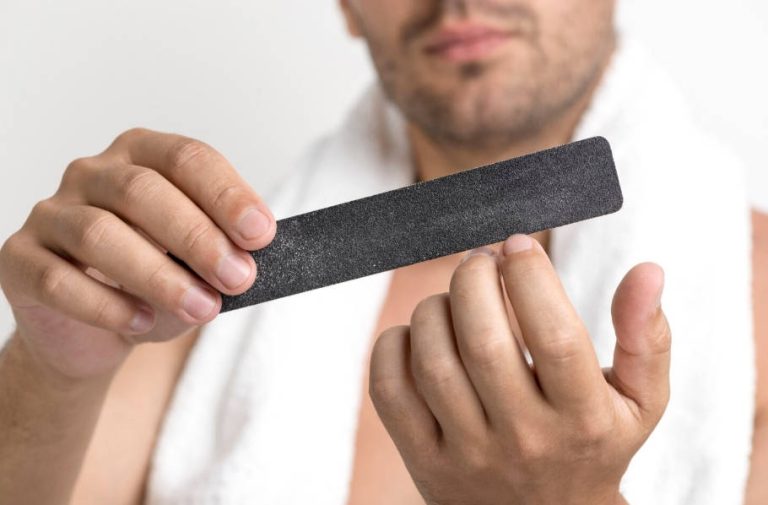
A 180-grit side proves highly useful when a natural nail requires serious shortening. It also helps when you want a major shape change. This level provides much better control than extremely rough artificial-nail files. At the same time, it operates faster than a soft finishing pad. You should always use light, steady strokes. This careful method beats heavy downward pressure or fast sawing motions.
In any standard salon or store collection, 180 grit acts as the main shaping tool. The outer packaging must state this purpose very clearly. Clear text stops users from mixing it up with the final smoothing side. Professional buyers should also verify the sand distribution. The rough grains must stay perfectly even across the entire working area.
When Should 240 Grit Be the Finishing Face?
You should grab the 240 grit when your primary goal involves smoothing a free edge. It also handles tiny corrections perfectly. Furthermore, it completes a basic outline previously built with an 180 file. The notably slower cutting speed helps the user track visual changes easily. This prevents anyone from stripping away too much natural nail by accident.
A two-sided emery board nail file makes the whole routine feel totally natural. You shape the tip first with 180. Afterward, you polish things up with 240. Even so, printed numbers on the paper are not enough by themselves. A real factory sample must prove that the two sides feel genuinely different. The physical grit must also match the strictly approved factory guidelines.
Emery Board vs Nail File: Are They the Same in Buying Specifications?
What Are Emery Boards Made Of?
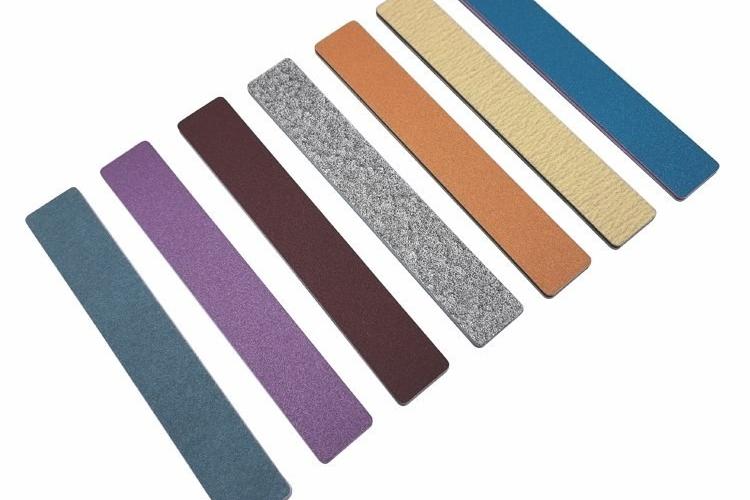
Numerous emery boards feature a rough paper sheet glued tightly over soft cushioning. This setup wraps around a firm supporting center. Well-known builds combine standard sandpaper or crushed emery with soft EVA foam. They often include a stiff plastic center plate. Other nail-file categories might rely on natural wood, solid glass, or hard metal. Some use thick sponge or special polishing fabrics instead. The factory glue quality and the side edge trimming matter a lot. Peeling paper layers or jagged borders will severely shorten the tool’s usable lifespan.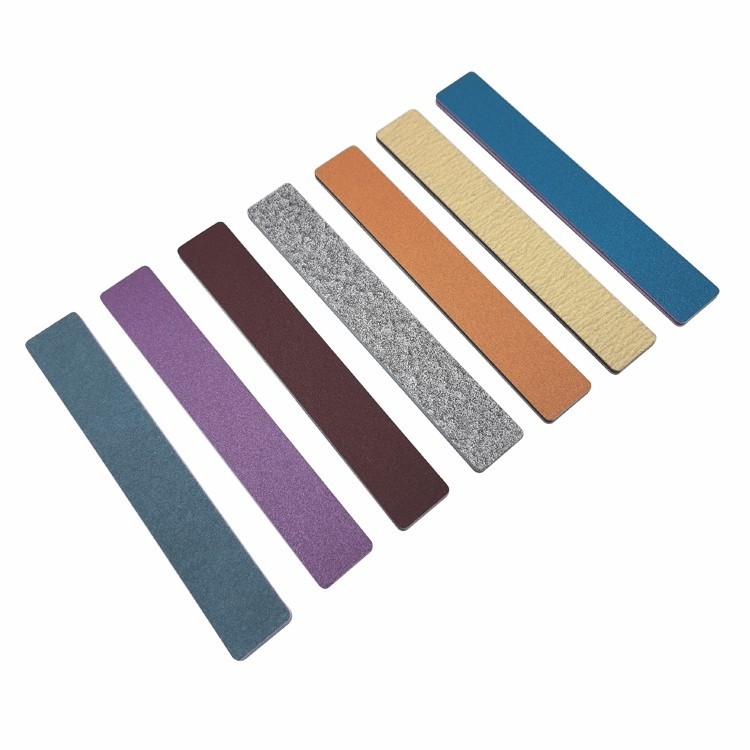
This specific manufacturing detail explains a huge part of the difference between emery board and nail file items. Two distinct tools might share the exact same grit number. Still, they can feel completely different in your hand. This happens when their internal foam, plastic thickness, or sand origin changes. Variations in overall bending flexibility cause noticeable differences too.
What Is the Difference Between an Emery Board and Other Nail Files?
When looking at an emery board vs nail file comparison, focusing on the name is not helpful. The truly useful question is whether the selected physical build fits your specific task. A highly stiff file transfers hand pressure quite differently than a soft, padded board. Furthermore, a cheap disposable board fits a strict single-use hygiene plan. A tough, washable metal tool suits a totally different cleaning strategy.
How Should Buyers Test and Maintain an 180/240 Emery Board?
What Should a Pre-Production Sample Confirm?
You must verify the specific grit number printed on each side. Always check the real difference in the cutting sensation. Inspect the sand coverage, overall dimensions, and physical straightness. Flexibility, border neatness, logo placement, and outer boxes need strict checking too. If the design brief demands easy washing, you must test that feature thoroughly. You need to prove it works for that specific paper and glue combination. A successful waterproof claim from one model should never be blindly copied to other items.
The test unit must undergo inspection after many heavy rubbing strokes. Early bald spots or massive sand loss are terrible signs. Peeling paper or split core layers also indicate serious trouble. These flaws prove that a nice initial look does not guarantee good real-world performance.
How Can Users Avoid Over-Filing and Mislabelled Grits?
The printed guide must clearly tell customers which side handles heavy shaping. It must also explain which side does the soft finishing. Gentle hand movements and frequent visual inspections matter greatly. They are much more vital than counting a fixed number of swipes. The filing process must halt the second the tip looks totally even. This rule is incredibly important for thin, weak, or damaged nails.
For better warehouse tracking, purchasing managers can give unique colors to each grit level. They can also mandate large printed digits on the paper. Routine batch testing must compare fresh factory runs against the golden master sample. This strict habit ensures a labeled 180 surface does not accidentally show up feeling like a soft 240 side.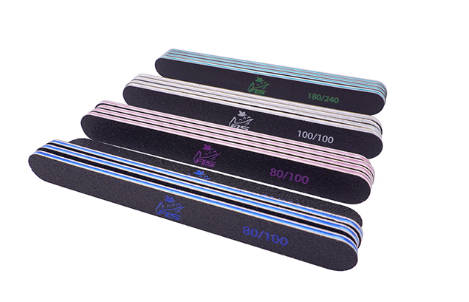
How Can Felice Beauty Support an Emery Board Product Program?
At Felice beauty, we actively assist B2B clients in planning their perfect tools. We help define the sand type, inner core, soft foam, and exact sizes. We also finalize the shape, custom ink printing, and retail boxes before manufacturing begins. Our extensive nail-file range features many great options. These include plastic centers, EVA foam, basic sandpaper, classic emery, and thick sponge builds.
Which Emery Board Specifications Can We Discuss with Buyers?
Our popular FLS-NF-001 zebra-grey file features a sturdy 1.8 mm plastic center. It uses quality EVA foam and durable sandpaper. This model includes a highly requested 180/240 option. Other available items feature bright white or deep black sanding faces. They offer texture choices ranging from very rough to extremely soft. We always treat our current warehouse stock and technical details as flexible talking points. They are helpful quotation details rather than locked, unchangeable rules.
How Do We Support OEM and Private-Label Planning?
We proudly provide full support for custom logos. We also handle unique colors, custom shapes, specific sizes, brand labels, and retail boxes for all related items. Before we start massive bulk manufacturing, we can easily build a physical prototype. This lets the client approve the texture pairing and the actual filing sensation. They can also check the ink placement, border neatness, and box style. A truly helpful business message should list the intended sales channel and the total order volume. It must also state the desired board shape, exact measurements, texture combo, paper color, printing method, and final packing needs.
FAQ
Q: Is a 180 or 240 grit emery board better for natural nails?
A: You should pick the 180 side for careful shaping or fast length reduction. Meanwhile, grab the 240 side for delicate edge smoothing. A two-sided 180/240 tool handles both distinct steps perfectly. This works well as long as the sanding quality and printed labels remain highly accurate.
Q: Are emery boards the same as nail files?
A: A standard emery board acts as one specific type of filing tool. However, the wider nail-file family also contains solid glass, hard metal, natural wood, and thick sponge versions. Smart buyers must always clearly state both the desired core material and the exact texture number.
Q: What does an emery board grit scale tell a buyer?
A: It clearly displays the relative surface roughness. Lower digits always cut into the material much more aggressively. In contrast, higher digits provide a much softer touch. However, this digit alone does not prove the actual sand quality or the glue strength. It also cannot guarantee long-term durability or perfect safety for a specific weak nail condition.