What Are Foot Files and Pumice Stones?
How Does a Foot File Work?
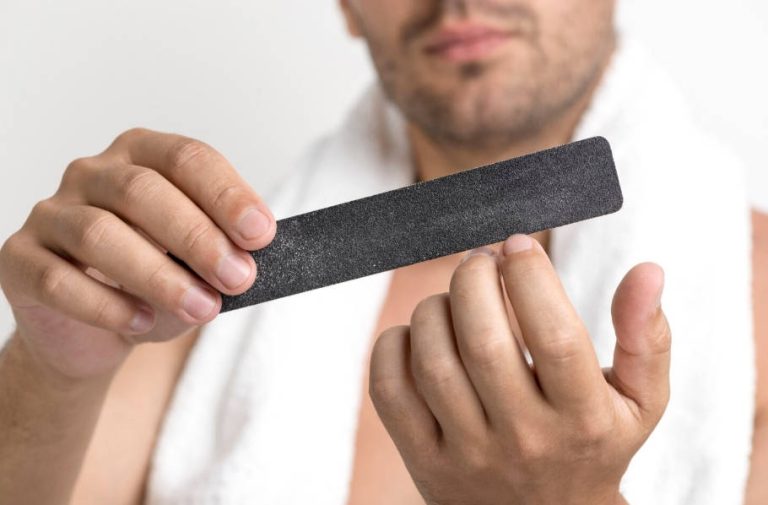
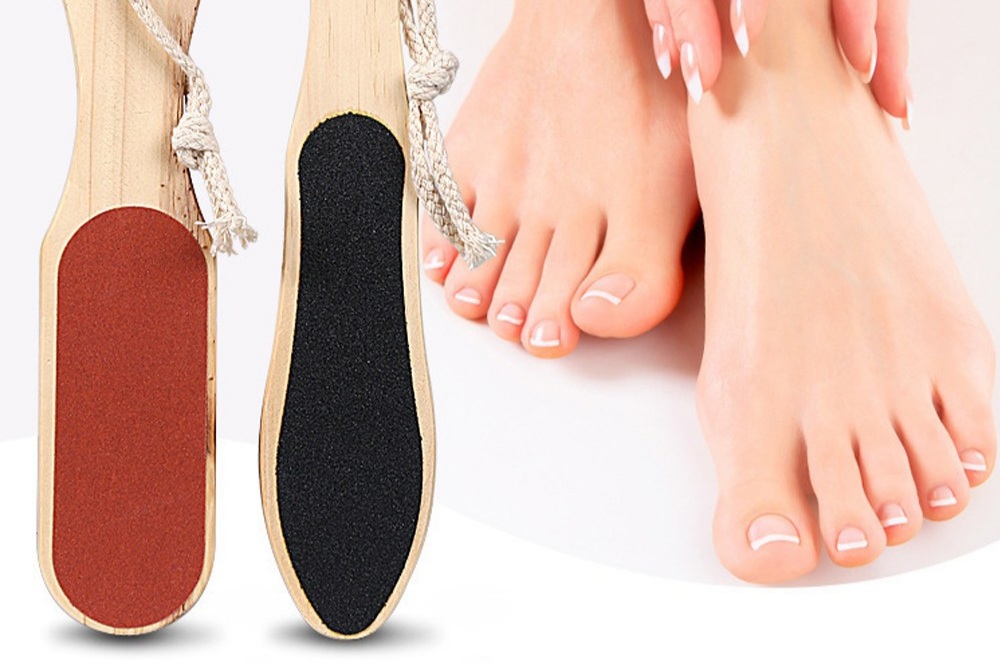
A foot file is a tool you hold in your hand. It rubs off hard skin on the feet. This works well on heels and soles. It has a rough metal side or something like sandpaper. This side takes off thick skin in a good way. Using it often keeps feet smooth and soft. It stops thick, dry skin from building up. That buildup can cause cracks. Many people wonder, “Do foot files work?” The answer is yes. When used the right way, it shows clear changes after one time. The best foot file for cracked heels often includes dual-sided textures to handle both rough and delicate areas.
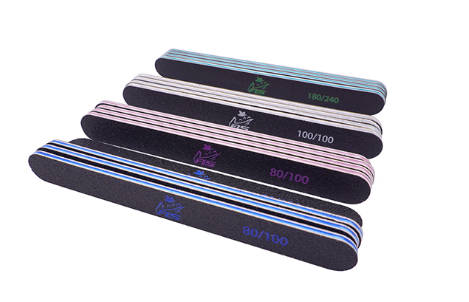
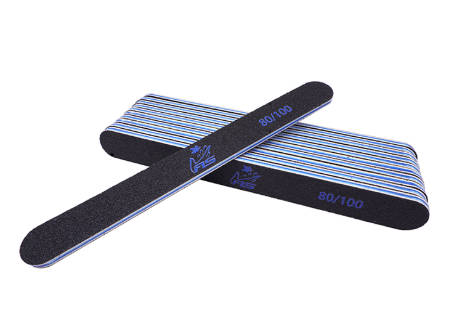
Excellent professional stainless steel pedicure foot file with refill sandpaper serves as a tool created for efficiency and hygiene. Its replaceable sandpaper design supports extended use over time. It also maintains professional-grade performance at the same time. These models fit well for those asking “Are foot files good for your feet?” They offer safe exfoliation when used with care.
What Is a Pumice Stone and How Is It Formed?
A pumice stone is a natural rock from volcanoes. It has many small holes and a gritty feel. Fast-cooling lava traps gas bubbles inside. This process creates the light stone that works well for mild skin smoothing. The surface takes off old skin cells. It does so without cuts or redness on tender spots. Because the stone forms in nature, many view it as friendly to the earth. It suits daily care routines.
Comparing Foot Files and Pumice Stones for Cracked Heels
Which One Works Better for Deep Cracks?
Foot files often clear severe dryness or deep heel cracks more quickly. Their rough surface removes thick callused skin in less time. This makes them useful when fast change is needed. Yet too much use or hard pressing can lead to redness or tiny tears on the skin surface.
Are Pumice Stones Gentler on the Skin?
Pumice stones give a milder smoothing feel than metal or emery files. They work well for steady care after the main thick layers are gone. Their light grit helps stop new splits by keeping heels even. People with tender skin often choose pumice stones. These stones cut down on redness from rubbing.
How to Use Each Tool Safely and Effectively
Steps for Using a Foot File on Cracked Heels
Preparation Before Filing
Start by soaking your feet in warm water for 10–15 minutes to soften hardened skin layers. This step enhances comfort and allows the file to glide smoothly across rough spots. Pat your feet dry before filing—moisture control ensures better grip and precision during exfoliation.
Filing Technique and Aftercare
Move the file gently in one direction across callused areas rather than scrubbing back and forth aggressively. This method prevents unnecessary friction that could irritate healthy skin tissue. Always follow up by applying a rich moisturizer or heel balm to lock in hydration after filing.
Best Practices When Using a Pumice Stone
Proper Handling During Exfoliation
Wet both your pumice stone and your feet ahead of time. The water then works as a lubricant. This step also helps avoid scratches on the skin. Next rub the stone using small circular motions. Apply only light pressure throughout. Continue until dead skin begins to slough off naturally.
Post-Care Routine After Exfoliation
Rinse away any leftover bits well after you scrub. Then use a clean towel to gently dry your feet. Right after that, put on a rich cream or oil. This helps bring back the soft feel and keeps the moisture in.
Can You Combine Both Tools in Your Foot Care Routine?
When Should You Use a Foot File vs. a Pumice Stone Together?
To get the best results, begin with a coarse foot file. This step tackles heavy calluses or deep cracks with ease. After that, finish with a pumice stone. It refines the edges and smooths any leftover roughness. Using both tools together gives complete exfoliation. It also avoids stripping away the protective layer of your skin barrier.
How Often Should You Exfoliate Cracked Heels?
For moderate cracking or dryness, exfoliating once or twice per week is sufficient, depending on individual skin condition. Over-exfoliating can worsen dryness or cause redness—maintaining balance is key for long-term heel health.
Professional Insights: Why Tool Choice Matters in Heel Care
Factors That Influence the Effectiveness of Each Tool
Skin type plays a key role. So does the degree of dryness. How often the tool sees use matters as well. Humidity and similar weather factors add to the mix. Together, these elements shape the choice of tool. Folks in arid regions often gain from applying lotion more often right after each filing session. That step helps because low moisture speeds up crack formation.
Common Mistakes People Make When Treating Cracked Heels
Using tools directly on dry skin without pre-soaking often leads to abrasions instead of smooth results. Another common mistake is skipping post-care moisturization—this neglect causes faster recurrence of cracks even after filing or scrubbing sessions.
Felice Beauty’s Approach to Smooth, Healthy Feet
How Felice Beauty Enhances At-home Pedicure Results
At Felice beauty, we focus on creating ergonomic pedicure tools designed for comfort, durability, and safety during home use. Our precision-crafted foot files ensure even exfoliation while minimizing irritation risk through high-quality materials like stainless steel and emery surfaces.
We provide one-stop shopping solutions where you can get all kinds of nail beauty products, including gel polish, nail buffers, nail drills, stickers, decorations—and premium pedicure tools like our dual-sided wood-handle foot files designed specifically for cracked heels care routines.
Our professional-grade products are ideal if you’re searching online for the best foot file for cracked heels because they combine salon-level performance with a user-friendly design suitable even for beginners at home pedicures.
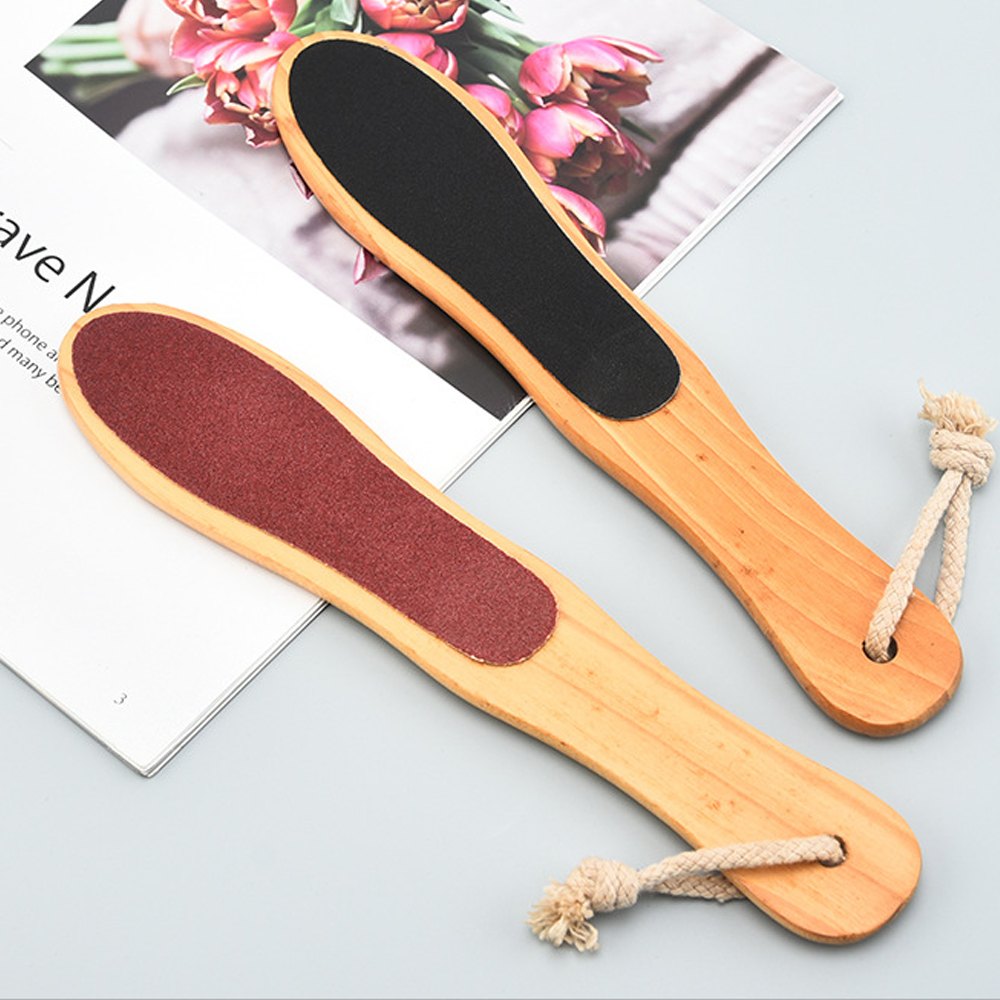
Recommended Products from Felice Beauty for Cracked Heels Care Routine
Felice Beauty Professional Foot File Series
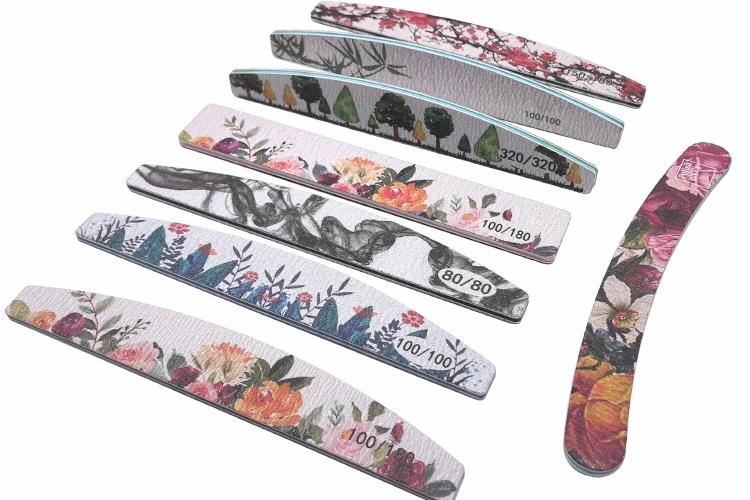
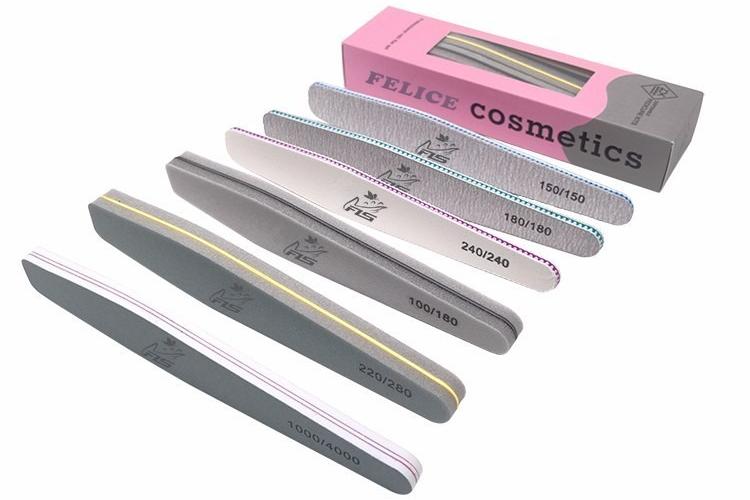
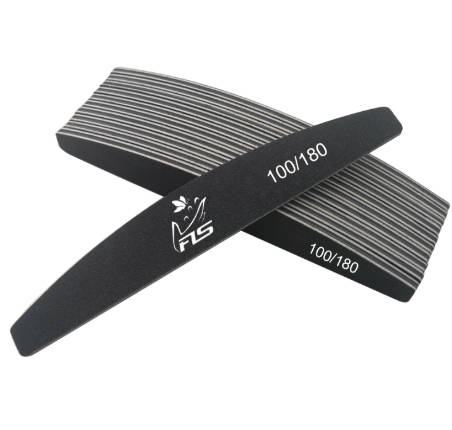
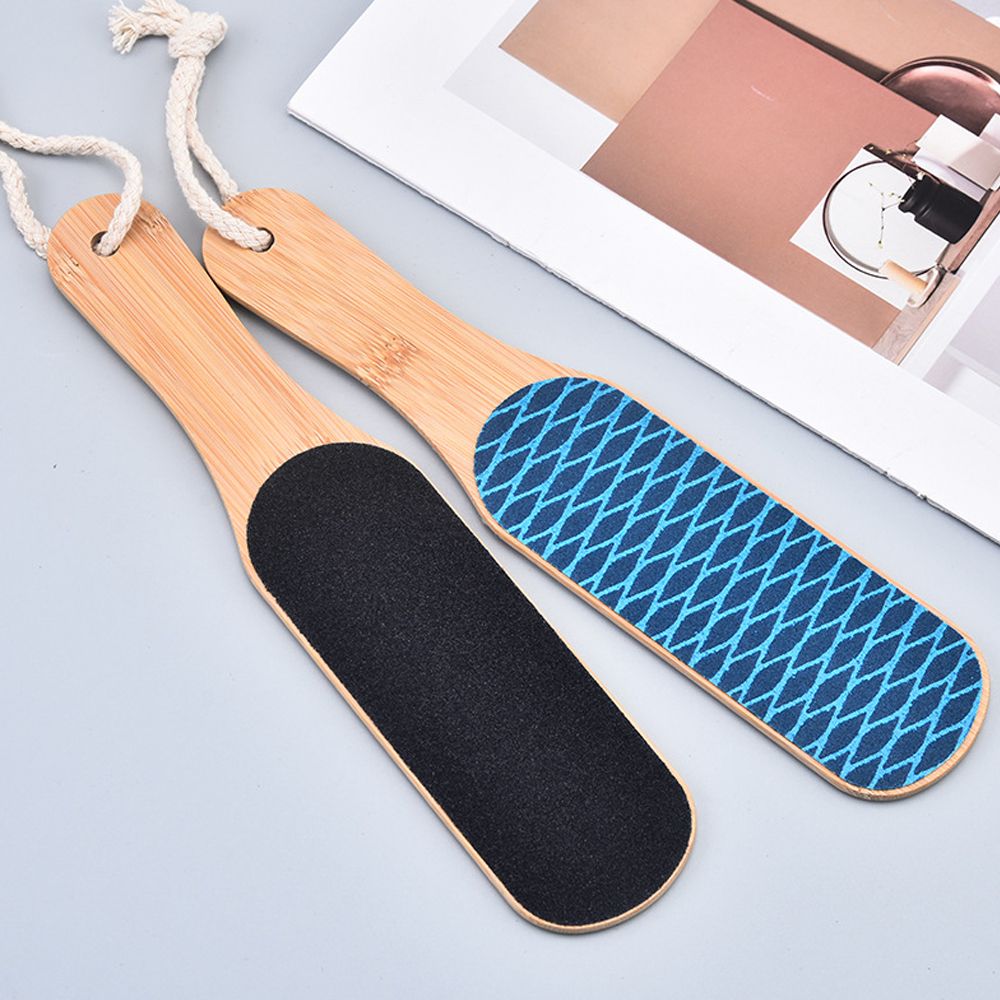
Dual-sided coarse callus remover pedicure rasp foot scrubber wood handle pedicure foot file for cracked heels tough dead skin has strong wooden handles. It comes with two textured emery surfaces. These surfaces take away hard layers well. They stay mild on the skin around them. So they do not hurt healthy tissue.
Felice Beauty Moisturizing Creams and Oils
After exfoliation sessions using our tools, applying our moisturizing creams enriched with hydrating ingredients helps maintain elasticity and prevent future cracking—ensuring lasting softness between treatments.
FAQ
Q: Is it better to use a foot file or a pumice stone on cracked heels?
A: Both tools work well. Foot files focus on deeper cracks. Pumice stones keep the skin soft with mild exfoliation. Your choice depends on how severe your heel condition is.
Q: Can I use a foot file or pumice stone every day?
A: You should avoid daily use of the product. Limit exfoliation sessions to once or twice each week instead. Adjust the schedule based on how fast your skin renews itself. This approach helps prevent irritation from too much application.
Q: Why do my heels crack even after filing or scrubbing?
A: Cracks often keep coming back. This happens when you skip the step of adding moisture. Always finish each exfoliation with a cream or oil that nourishes the skin well. Such care helps bring back its natural stretch.
Q: Are glass foot files safe?
A: Yes, glass foot files are safe when used correctly; they provide precise control with minimal abrasion risk compared to metal versions but should still be used gently on softened skin only.