Soak-Off Gel Polish vs Gel Polish: What Sets Them Apart?
What Is Soak-Off Gel Polish?
Soak-off gel polish is another type of nail coating. Most of our clients like this type of gel polish because it doesn’t feel too heavy on the nails, and they can switch up colors as often as they like. Because it’s so easy to remove without having to do any harsh filing, which is perfect for maintaining healthy nails.
To get off soak-off gel polish, we use a gentle remover and then wrap the nails with some pads that have been soaked in acetone. This gently soaks the gel polish, and it softens and comes off the nails within a few minutes, just peeling off like a sticker.
What Is Traditional Gel Polish?
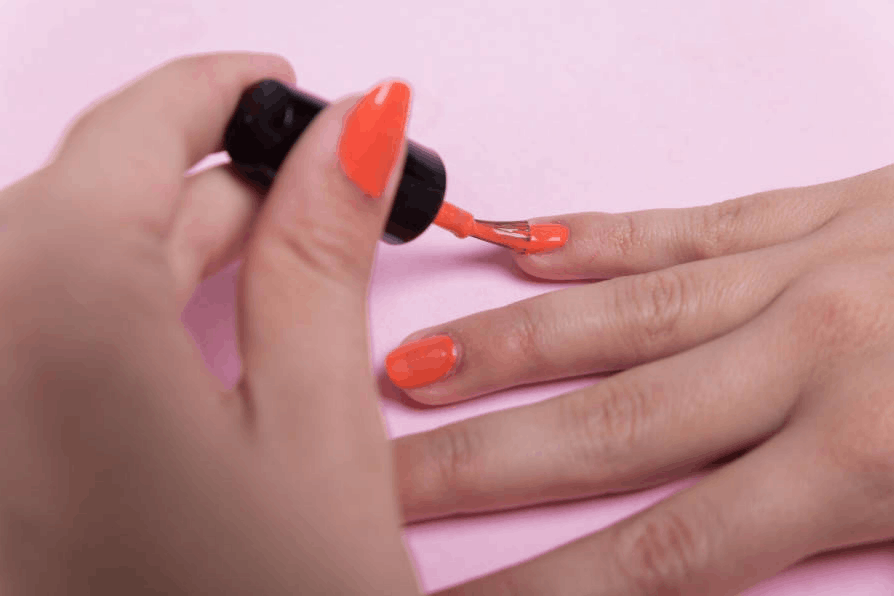
Traditional hard gel polish, or as some refer to it as ‘hard gel ’, is often a lot thicker, hard-wearing, and has a totally different texture and durability to soak-off gel polish. Hard gel can be used for creating nail extensions or nail overlays and is a lot stronger than soak-off gels and therefore lasts longer on the natural nail. Unlike soak-off gel polish, hard gel cannot be removed with acetone and needs to be filed off slowly and carefully to prevent damage to the client’s natural nail.
Key Differences Between the Two Formulas
The major difference between soak-off gel polish and traditional gel polish is removal. Soak-off gel polish is dissolved with acetone, whereas traditional gel polish is removed with filing of the hard gel. The structure of the two types of polish also differs, with soak-off gels being slightly flexible in order to follow the shape of the natural nail, whereas hard gels are more rigid. The way that soak-off gel polish is applied can also differ from hard gels, typically being applied in thinner layers and curing for shorter amounts of time under a UV or LED lamp as opposed to hard gels.
How Do Application Techniques Affect the Results?
Step-by-Step Application Process for Soak-Off Gel Polish
How to get the perfect soak-off gel polish application? Begin with your natural nails. Get them ready by cleaning them well. Shape them next. Buff them gently to take away the shine. Next, add a thin layer of soak-off gel polish base coat. Cure it in the UV or LED lamp. Then apply thin layers of soak-off gel polish color. Cure each one fully before you add the next. End with a layer of soak-off gel polish top coat. This seals the color and adds plenty of shine.
Applying Regular Gel Polish for Extended Wear
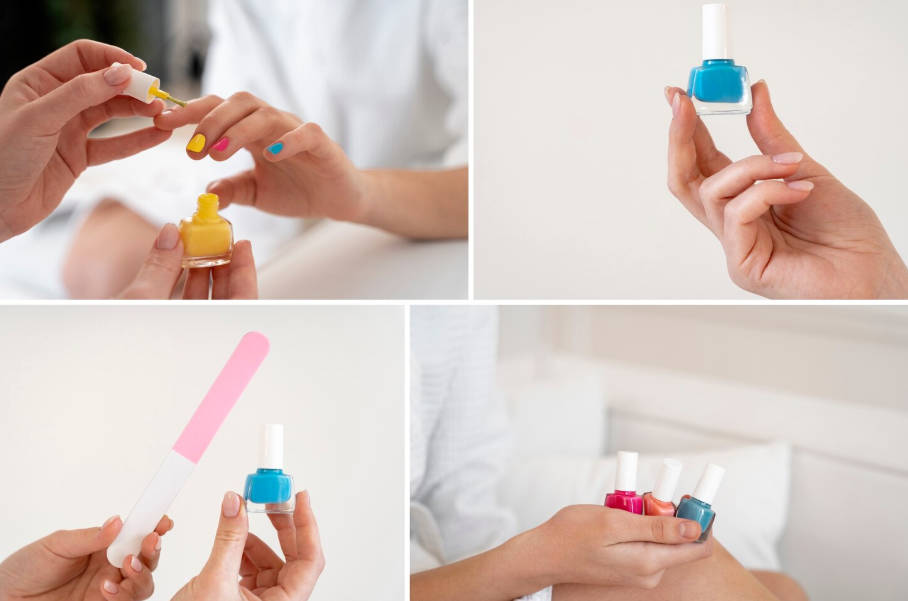
Traditional gel polish calls for nail preparation ahead of use. Hard gels are thicker. They benefit from a buff on the nail. This creates a surface where the product can adhere well. The hard gel formula has a steady consistency. It lets you sculpt the nails or even strengthen them before curing under UV light. Hard gels are thicker than soak-off gel polish. Because of this, each layer needs a bit more curing time. This ensures full polymerization and long-lasting wear.
Which Type of Gel Polish Suits Your Needs Best?
How to Choose Based on Lifestyle and Maintenance Preferences
A classic gel polish works well for busy people. They want a manicure that lasts for weeks. In contrast a soak-off gel polish suits those who prefer to switch colors every week. It also gives a simple removal at home with a gel polish remover. Think about your nail health when you pick a gel polish. People with delicate or weak nails often find our soft soak-off formulas kinder on the nails.
Factors to Consider Before Making a Decision
Nail Condition and Sensitivity
Nails already weak can greatly benefit from flexible soak-off gels, which move with the natural nail plate and do not weigh down the fragile structure of the nail.
Desired Longevity and Strength
For users who give priority to strength over flexibility, the harder gels will offer additional reinforcement against breakage and chipping.
The Longevity and Maintenance of Each Type Explained
How Long Does Each Type Typically Last?
Soak-off gels give a glossy finish that stays nice for about 10 to 14 days. After this time they start to chip or lift. Traditional gel polishes work differently from soak-off gels. They often last up to 3 to 4 weeks. Good application and proper care help them reach this result. Because of that they fit well for longer gaps between salon visits.
Tips for Extending the Life of Your Manicure
Daily Nail Care Habits That Help Maintain Shine and Strength
Using a cuticle oil regularly can keep both your natural nail and your gel in good condition by stopping both from becoming dry and lifting due to cracking.
Proper Removal Techniques to Avoid Damage
Remember never to peel or pry gel polish from your nails. This action can damage your natural nails. Acetone wraps offer a safe way to remove gel polish at home. Yet for the best outcome and full safety, visit a professional nail technician. They use the correct tools to take off gel polish without harm.
Exploring Felice Beauty’s Professional Gel Polish Collection
Why Choose Felice Beauty Products for Your Next Manicure?
At Felice beauty, we provide high-end salon-quality products for professional-grade results that can be used in a salon or at home in a beauty studio. Our gel polishes are made with the highest quality resins to ensure an easy application, fantastic color payoff, and a long-lasting glossy finish that will last through multiple wears.
Recommended Options from Felice Beauty’s Range
Soak-Off Series Highlights
Our soak-off formulas are easy-to-remove nail soak-off solutions for salon use that are formulated for great color and can be used for frequent style changes. These easy-use formulas are perfect for salon techs who want a great professional-looking nail with a product that is easy to use and can save lots of time for frequent removals.
Long-Wear Gel Line Highlights
Looking for longer-lasting finishes that won’t chip within the extended wear period? Our long-wear line includes enhanced adhesion along with highly concentrated pigments to ensure your manicure will remain shiny and glossy for weeks to come.
FAQ
Q: How Is Gel Polish Different from Regular Nail Polish?
A: Gel polish sets under UV or LED light. It does not dry in the air like regular nail lacquer. This process gives a finish that lasts longer. It also stands up better to chips.
Q: Can I Remove Gel Polish at Home Without Damaging My Nails?
A: Yes! You can remove gel polish safely at home. Use acetone wraps along with gentle scraping tools. Avoid peeling it off by hand. This method works best. It prevents damage to your nails.
Q: Why Does My Gel Polish Peel Off Prematurely?
A: Peeling can happen for a few reasons. One is poor nail prep before you apply the polish. This includes skipping the base coat. Another reason is contact with moisture before the light cures it. Good prep helps the polish last much longer.