Foot File vs Pumice Stone: What’s the Difference?
How Each Tool Works on Dead Skin and Calluses
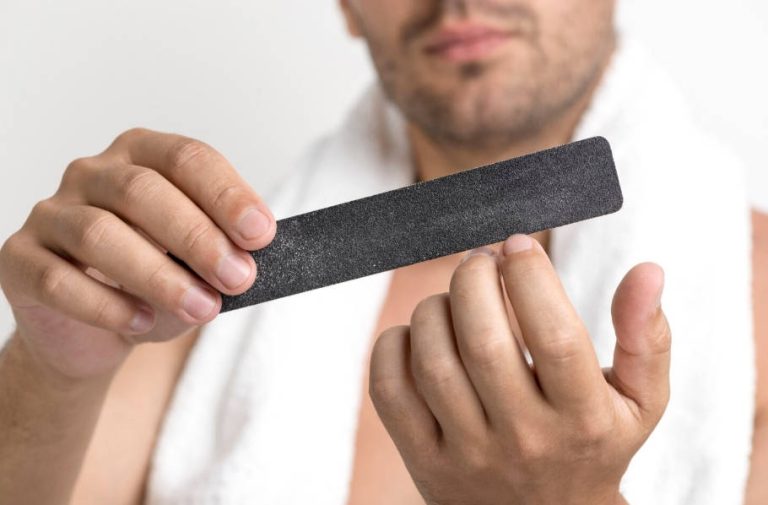
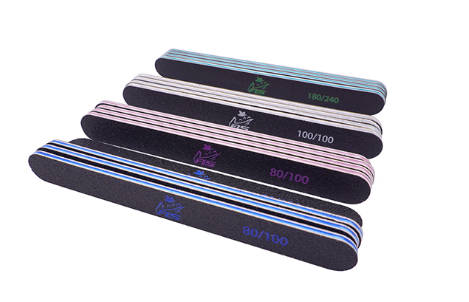
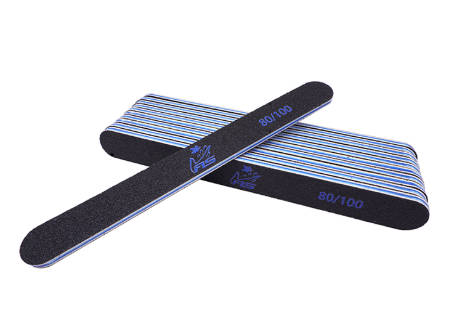
A foot file serves as a pedicure tool. It works to take away thick and hardened skin by means of mechanical abrasion. It often has a rough surface made from metal or emery material. That surface scrapes calluses away in an efficient way. It offers a reusable, natural, and durable dual-sided design. This setup helps remove dead skin well and stops slipping during use.
A pumice stone, on the other hand, comes from natural volcanic rock. It gently takes off dead skin layers. The stone stays porous and light in weight. These traits make it good for softening rough spots instead of filing them down in a strong way. When comparing a foot file vs. a pumice stone, the difference in material—metal versus volcanic rock—changes how each one handles skin of different thickness.
The feel of each tool shapes how well it treats calluses. A foot file’s rough grit clears hardened layers fast. A pumice stone’s porous build smooths the surface with mild exfoliation.
Key Differences in Texture, Usage, and Results
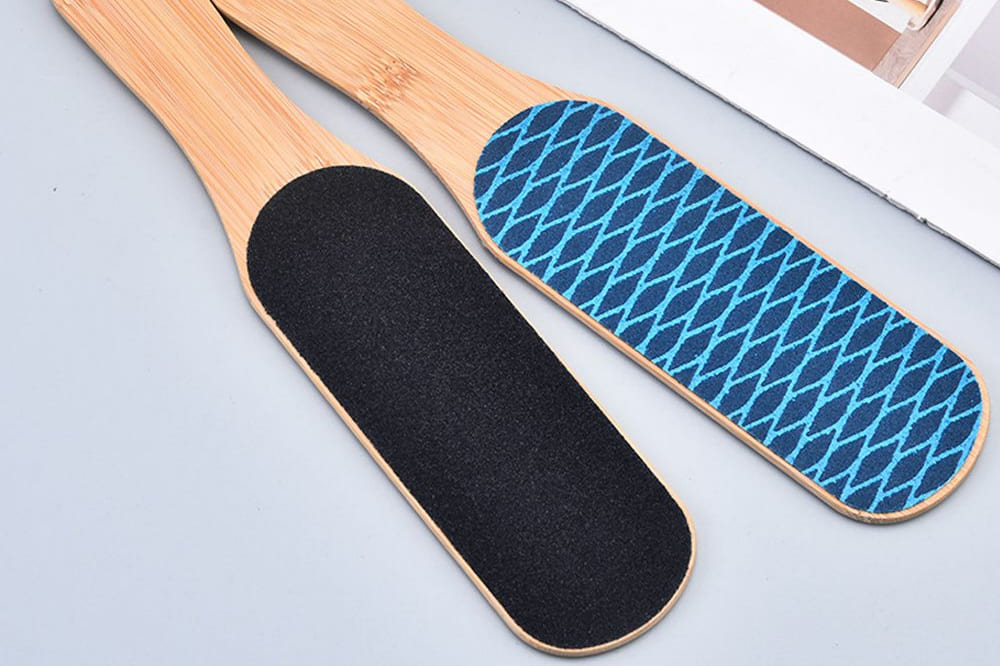
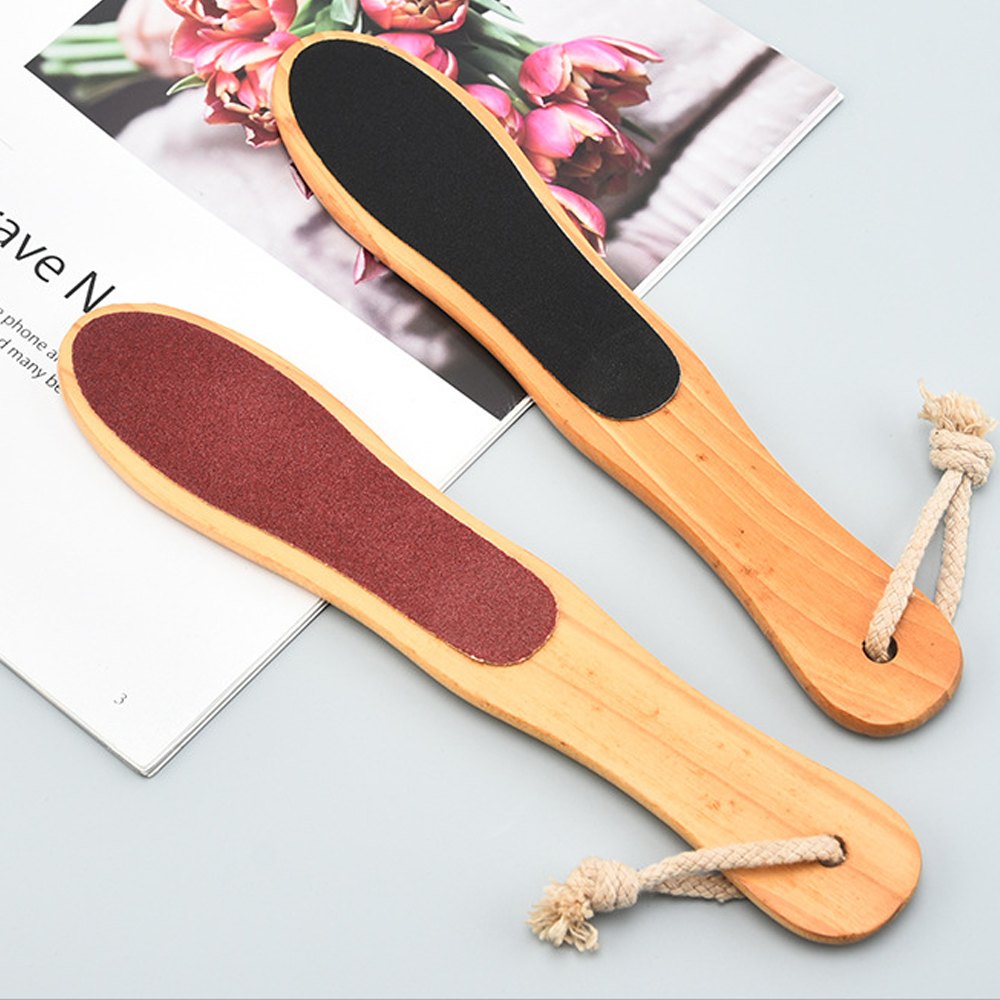
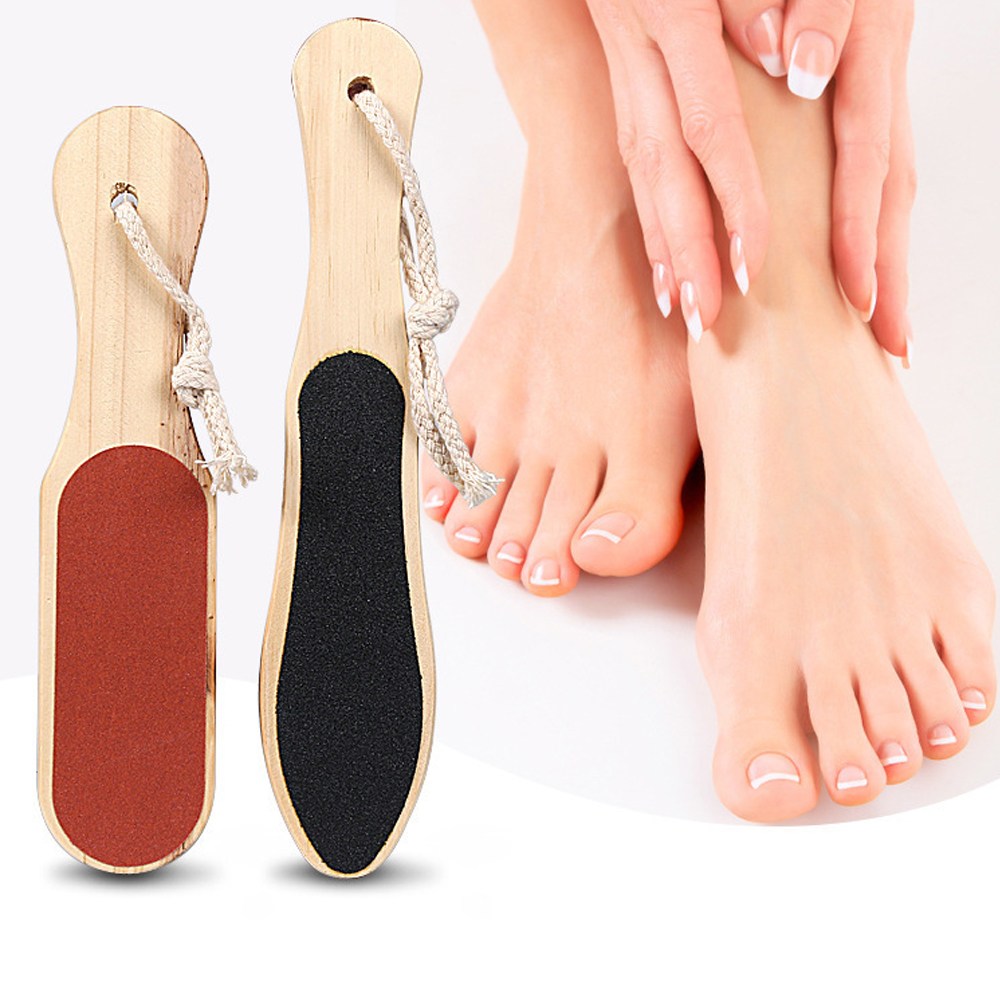
Foot files tend to feel coarser and more solid in texture. They give controlled exfoliation for bad calluses or cracked heels. Models like the Professional high-quality wooden handle foot repair file have one coarse side and one soft side. This setup works well for professional use. The two sides let users handle deep exfoliation and a final polish with one tool.
Pumice stones, by contrast, suit mild dryness or upkeep between pedicures. The outcomes also differ. Foot files bring quick smoothness by clearing thick buildup. Pumice stones give gradual smoothing over several uses. The abrasion level shapes how smooth feet feel after use. Files give fast results. Stones help keep softness over time.
Which Is Better for Cracked Heels and Thick Calluses?
When Should You Use a Foot File?
A foot file works well for thick calluses or badly cracked heels that need deep exfoliation. Its surface holds dry skin firmly. People often suggest using the tool on dry feet before soaking. This point matters when thinking about how to use a foot file, wet or dry. Working on dry feet clears hardened layers better because the skin does not soften too soon.
When Does a Pumice Stone Work Best?
A pumice stone works best after feet soak in warm water for several minutes. The soak softens the outer skin layer. It gives gentle exfoliation. This suits sensitive skin or skin that gets irritated by coarse tools. In the debate of pumice stone or foot file, people who want mild daily care often pick pumice stones. They lower the chance of too much exfoliation while keeping smoothness between pedicures.
Pumice stones also fit people with thinner calluses or normal dryness. They help hold the natural moisture balance without strong removal.
How to Use Foot Files and Pumice Stones Safely at Home
Step-by-Step Guide to Using a Foot File
Preparation Steps
- Clean and dry your feet well before you start.
- Hold the foot file firmly. Move it in one direction across rough spots. Skip back-and-forth motions.
- Focus on thick zones like heels or balls of the feet. Calluses form most often in these spots.
Aftercare Routine
After filing, rinse your feet with warm water to clear debris. Then put on a rich hydrating cream or oil right away. This locks in moisture. The step stops dryness after exfoliation and boosts overall softness. If you wonder whether you should soak your feet before using a foot file, remember this: use the file on dry skin first for stronger results. Soaking can come later for final polishing.
Proper Technique for Using a Pumice Stone
Preparing the Skin and Stone
Start by placing both your feet and the pumice stone into warm water. Leave them there for five to ten minutes. This step softens the skin and the stone. It also allows for a milder removal of dead skin.
Gentle Exfoliation Process
Rub the pumice stone in circular motions over callused areas. Use light pressure. Rinse both your feet and the stone often to check progress. This helps avoid too much abrasion that could harm delicate skin layers. Finish with moisturizer to keep hydration levels steady.
Can You Combine Both Tools for Better Results?
How to Layer Exfoliation Without Damaging Skin
To get top results with pumice stone vs foot file, combine the two tools cleverly. This method creates smooth feet like from a salon, all from home. Begin with the foot file. It removes the hard and thick skin on cracked heels or tough calluses. Next, use the pumice stone. It smooths the surface and reduces any remaining rough spots.
Change between the tools every week. Do this based on how your skin feels. It prevents too much exfoliation and leaves the bottoms of your feet soft. Finish every session with a good moisturizer that has plenty of oils or shea butter. These products bring back the right moisture level after you use the tools.
Felice Beauty’s Approach to Smooth, Healthy Feet
Why Choose Felice Beauty Products for Foot Care?
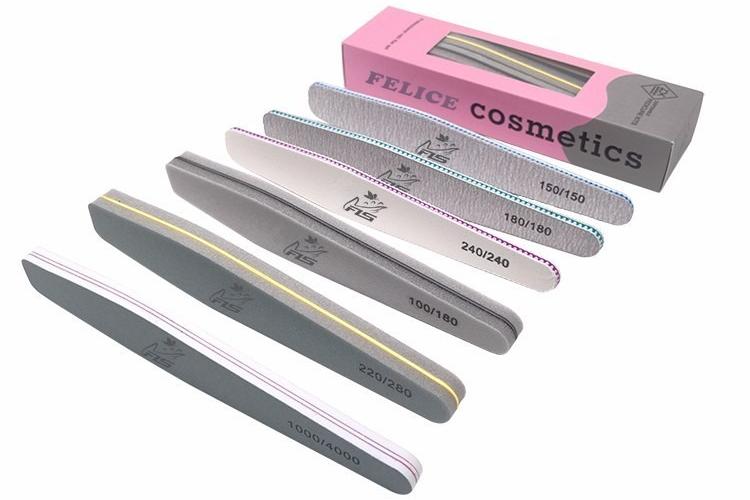
At Felice beauty, we create ergonomic foot care tools. These combine efficiency with comfort for both professionals and home users. We focus on durable products like stainless-steel files with replaceable sandpaper surfaces. These deliver professional-level results safely at home.
Our commitment lies in offering high-quality materials—wooden handles combined with emery coatings. These ensure steady performance during each pedicure session. Complementary skincare products from our line boost softness, hydration, and long-term foot health when used with our tools.
Recommended Felice Beauty Routine for Callus-Free Feet
Step 1: Exfoliate Effectively with Felice Beauty Foot File
Use our precision-engineered stainless-steel or wooden-handled files. They work well for cracked heels and tough dead skin removal. These rank among the best foot files for cracked heels because of their balance of strength and safety. They clear hardened layers quickly without causing irritation.
Step 2: Maintain Smoothness with Regular Moisturizing Care
Apply nourishing creams right after each exfoliation session. Pick ones packed with natural oils or botanical extracts from our skincare range. This step locks moisture into the freshly smoothed skin. It also stops new callus from building up over time.
FAQ
Q: Is it better to use a foot file or pumice stone on dry feet?
A: A foot file is more effective on dry feet. It grabs the hardened skin areas quite well. In contrast, a pumice stone works well on damp skin after soaking.
Q: How often should I use foot files to avoid over-exfoliating?
A: Using either tool once or twice per week is sufficient; excessive use may lead to irritation or micro-tears in the skin barrier.
Q: Can diabetics safely use foot files or pumice stones?
A: People who have diabetes need to check with their doctor first. They should do this before trying any rough tools. Even small cuts might lead to bigger issues if they do not get proper care right away.
Q: Are foot files good for your feet?
A: Yes. When used the right way, they can gently clear away layers of dead skin. These layers often cause pain or cracks. Yet balance still matters. It helps stop thinning the healthy skin too much.
Q: Should you soak your feet before using a foot file?
A: While soaking softens skin for gentle treatment afterward, experts recommend using the foot file first on dry areas if targeting thick calluses—then soaking later for finishing care.
This detailed comparison of foot file vs pumice stone helps determine which tool suits different needs—from deep repair sessions using Felice beauty’s professional-grade files to daily maintenance with gentle pumices ensuring lasting comfort and healthful soles year-round.