What Is an Emery Board and How Does It Work?
The Structure and Material of an Emery Board
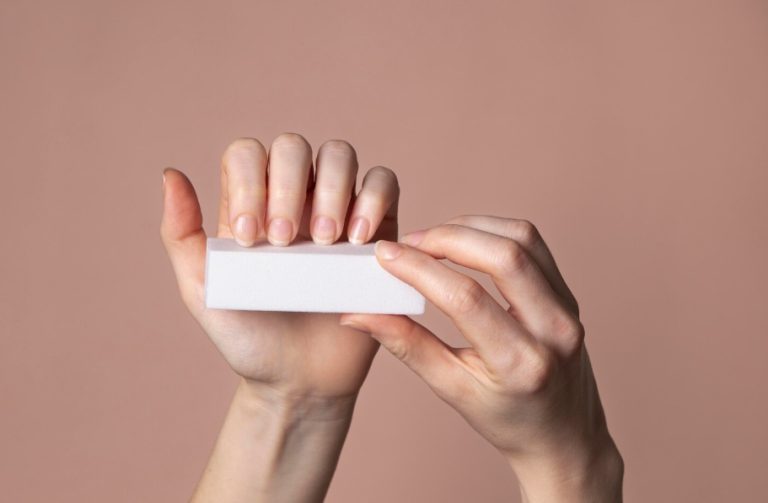
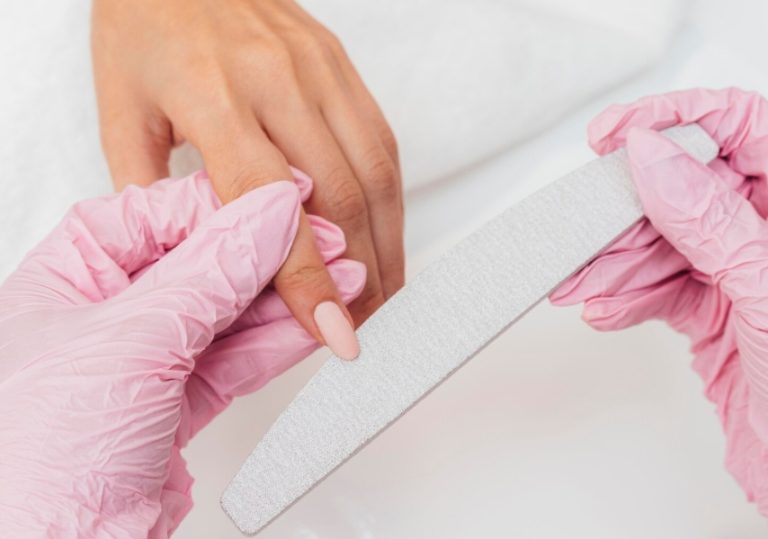
An emery board serves as a key item for nail care. It usually has two sides with varied grit levels. One side is coarse for shaping. The other is fine for finishing. The coarse side takes off length fast. The fine side evens out rough spots. This leaves nails smooth and neat. In build, an emery board uses sandpaper-style surfaces stuck to a light foam or cardboard base. This two-layer setup gives flexibility and ease during use.
Why Nail Grit Matters in Nail Care
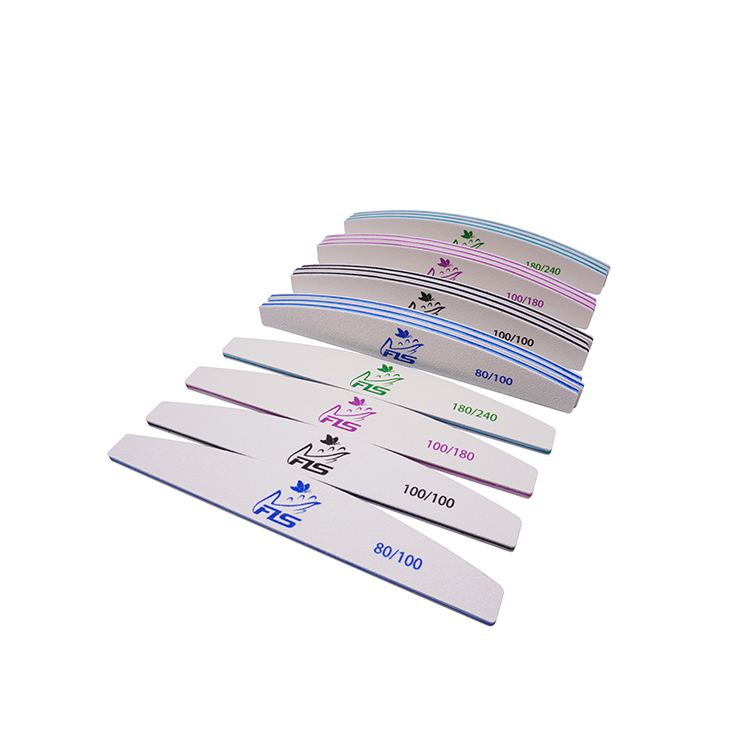
The grit number on an emery board shows how rough or smooth it feels. Lower grit values, like 80–100, work as coarse options and suit quick shortening of nails. Higher grit, from 180–240, gives a smoother feel and works well for refining edges. Picking the right grit stops over-filing that can lead to splits or peeling. For natural nails, medium grits near 180 work best. Acrylic or gel nails handle coarser textures with ease. Good grit choice shapes nails and also keeps their strength intact.
Which Side of an Emery Board Should You Use First?
How to Identify the Coarse and Fine Sides
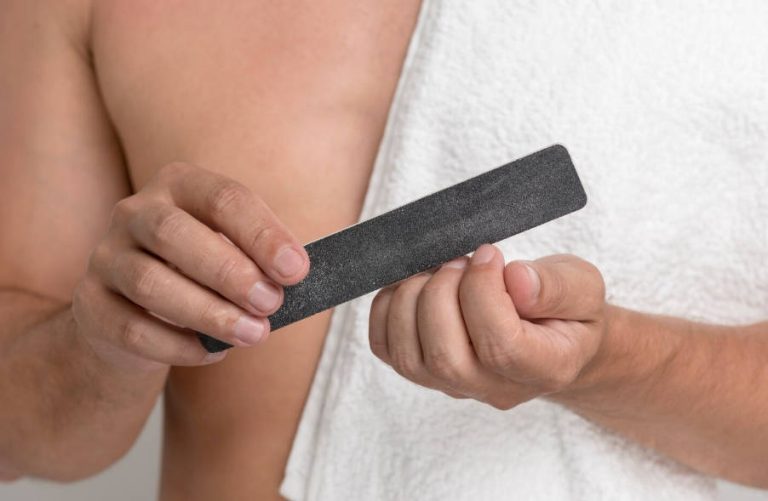
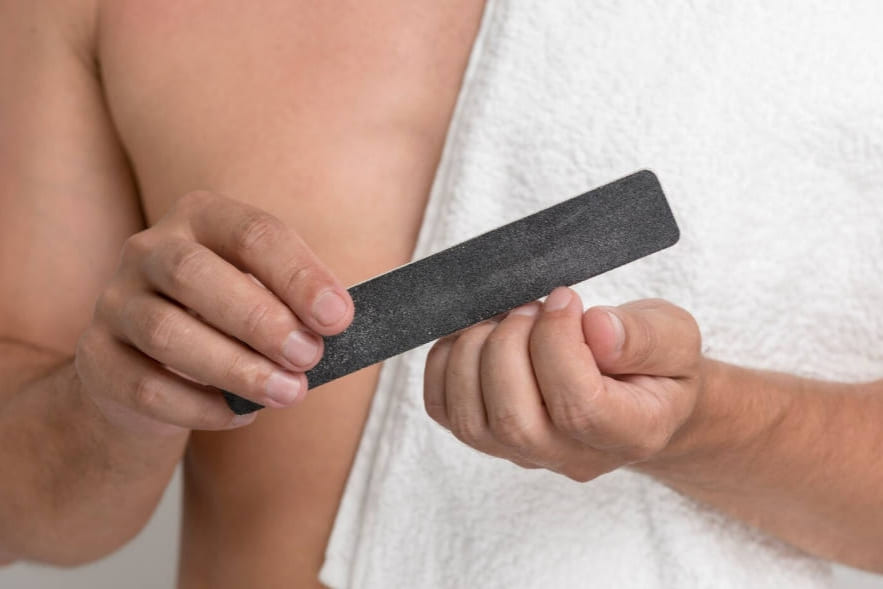
When learning how to use an emery board, spotting each side the right way matters. The coarse side feels rougher and often shows a darker color. The fine side has a smoother texture and lighter shade. Running a fingertip over both sides tells them apart with ease. This quick check helps you start with the proper surface for your filing goal.
When Should You Use Each Side of an Emery Board?
Start with the coarse side when you need to shorten nails or shape thicker ones such as acrylics. Once the shape looks right, switch to the fine side to smooth edges and seal layers. Too much use of the coarse surface can cause small tears that weaken natural nails over time. So use care when applying emery board to nails.
How to File Nails Correctly for a Smooth Finish
Step-by-Step Guide to Using an Emery Board Properly
Preparing Your Nails Before Filing
Before filing, clean your hands well and make sure your nails are fully dry. Wet nails bend with ease and may tear under friction. If nails are too long, trim them with clippers first to reduce stress during filing.
Filing Technique for Healthy Nails
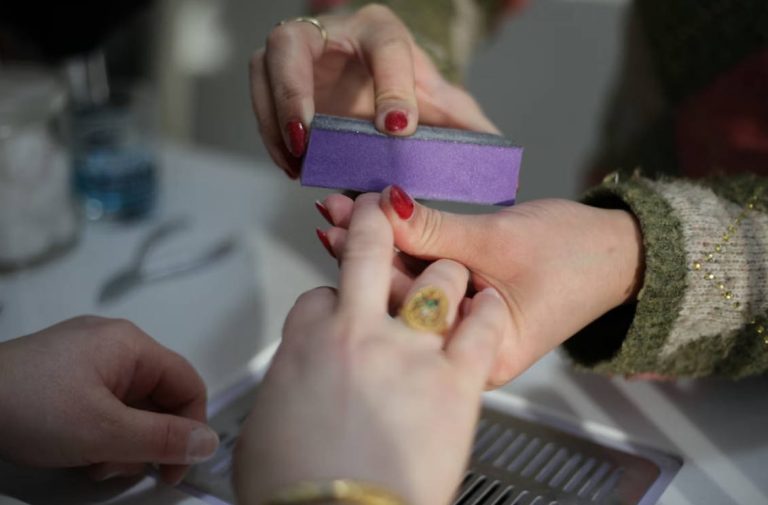
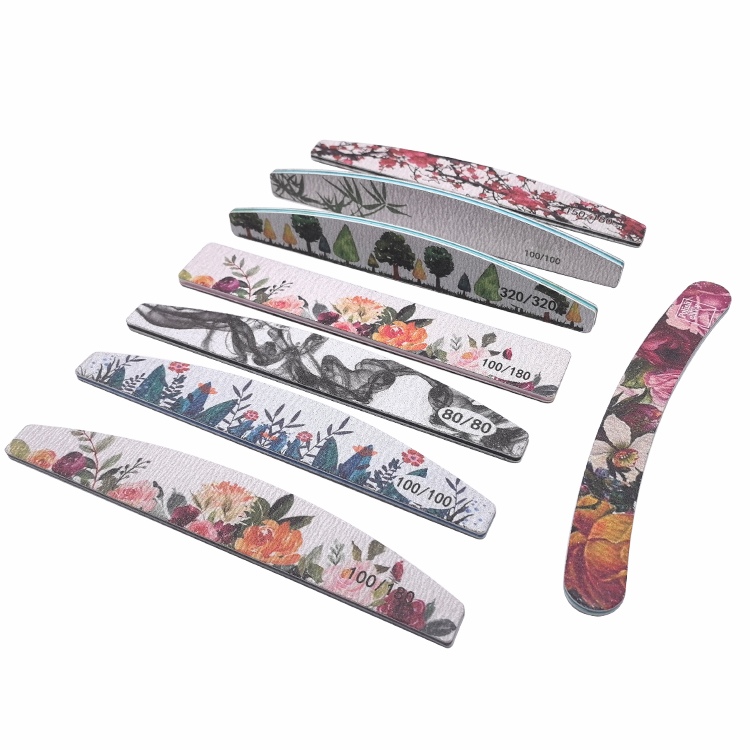
Hold the emery board at a slight angle that follows the natural nail curve. File gently in one direction from edge to center instead of sawing back and forth. This method keeps layers whole and avoids fraying. Finish with light strokes using the fine side for a polished edge that looks salon-perfect.
Common Mistakes People Make When Using an Emery Board
Are You Applying Too Much Pressure While Filing?
Pressing too hard does not speed up results. It weakens nail fibers and causes cracks along edges instead. Gentle strokes give better control and keep strength intact. Effective filing relies on steady motion rather than force.
Is Your Emery Board Clean and Safe to Use?
Reusing a dirty or worn emery board risks moving bacteria between fingers or toes. Replace disposable ones often or clean reusable types after each session. Hygiene matters as much as technique for nail health.
Nail Health Benefits of Using the Right Side of an Emery Board
How Proper Filing Promotes Stronger Nails
Filing the right way reduces stress on keratin layers and lowers breakage risks. Smooth edges stop snagging on fabrics or objects, which often leads to tears. Regular care also supports even growth by avoiding uneven pressure along tips.
The Connection Between Filing Habits and Nail Appearance
Steady shaping keeps nails even and glossy without polish. Balanced use of both sides creates uniform thickness across edges. This step helps maintain natural nail strength over time.
Felice Beauty’s Professional Emery Boards for At Home Nail Care
Why Choose Felice Beauty’s Nail Tools?
At Felice beauty, we focus on pro-grade tools that make at-home manicures simple yet exact. We greatly enjoy the convenient traffic conditions for both air and sea shipments. Our company offers one-stop shopping solutions where you can find everything from gel polish to buffers under one roof. We produce pairs of durability with ergonomic comfort so users can shape nails without strain.
Our boards use premium Japanese sandpaper bonded onto EVA cores. These materials prove flexible and long-lasting. All products can be designed and produced as per the customer’s request; a pre-production sample is always available for quality check before the bulk order.
Product Highlights from Felice Beauty’s Collection
Dual Grit Emery Boards
Our dual-grit designs balance shaping power from the coarse side with finishing precision from the fine side. They work well whether you define square tips or soft ovals.
Eco Friendly Options
We also offer sustainable choices made from recyclable materials. These support eco-conscious beauty routines while delivering pro performance.
FAQ
Q: Can I use an emery board on natural and acrylic nails?
A: Yes. However, one must select the appropriate grit for the job. Medium grits are for natural nails and much coarser grits are best for acrylics to prevent thinning of the layers.
Q: What’s the difference between nail file vs emery board?
A: Metal nail files are typically very hard and rigid. They lack flexibility. Emery boards on the other hand have controlled abrasion and have a cushioned back for gentler use.
Q: Do foot files have different grit levels like emery boards for nails?
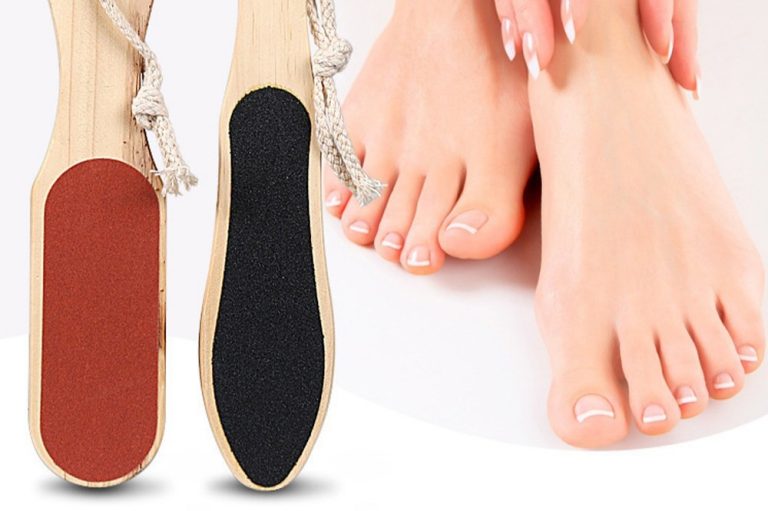
A: Yes, just like for emery boards there are foot rasps and even nano glass foot files in different grits. The coarse grits are best to remove thick calluses on heels and soles of the feet, whereas the finer grits are suitable for filing down the edges and making fine skin smooth.
Q: Should I adjust foot file grit based on foot skin condition?
A: Absolutely. Use coarse grit for hard, thick calluses, medium grit for moderately rough skin, and fine grit for maintenance and smoothing. Soaking your feet first improves the effectiveness of nano glass foot file vs pumice stone.
This clear view of what emery boards are, their structure, correct usage sequence, and proper maintenance empowers anyone aiming for smooth, healthy results at home using trusted tools from Felice beauty’s professional line-up.