Here is how to use a foot file on dry, rough heels. Check the skin first, use the tool only as directed, and make a few light passes before you reassess. Dry and rough describes the heel. Some tools are meant for use on dry skin, while others have different preparation instructions. Work only on intact skin and stop if it becomes tender or irritated. A heel with an open crack, bleeding or marked pain needs a different kind of attention. People with diabetes should get professional advice about corns or calluses instead of trying to remove them themselves.
Is Your Heel Ready for a Foot File?
What Does Intact, Rough Heel Skin Look Like?
Run a fingertip lightly over the heel in good light. An intact rough patch may feel dull or uneven, with no opening or bleeding. Look closely around the rim, where fine splits are easier to miss. Avoid filing an area that is already sore, inflamed or broken. Ask a clinician about deep or persistent cracks, signs of infection, reduced feeling or poor circulation. These checks matter because pressure is hard to judge when sensation is reduced, and a file can take away more skin before the problem is noticed.
Using a Foot File Wet or Dry
Should you use a foot file wet or dry? Read the instructions for the exact tool, including any detachable abrasives. Let that answer determine whether to dry the heel before starting or use the preparation prescribed for wet use.
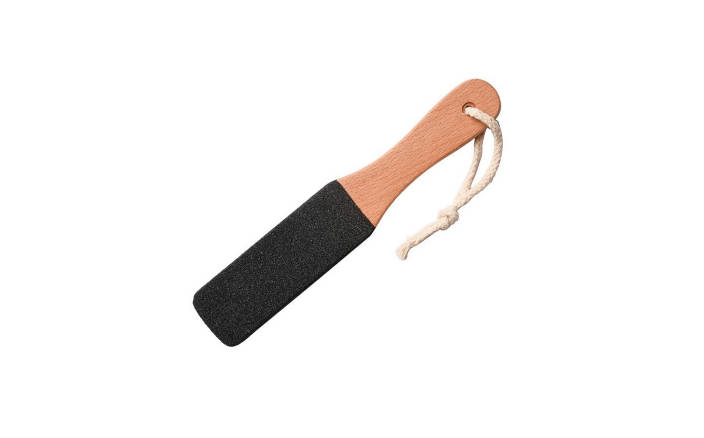
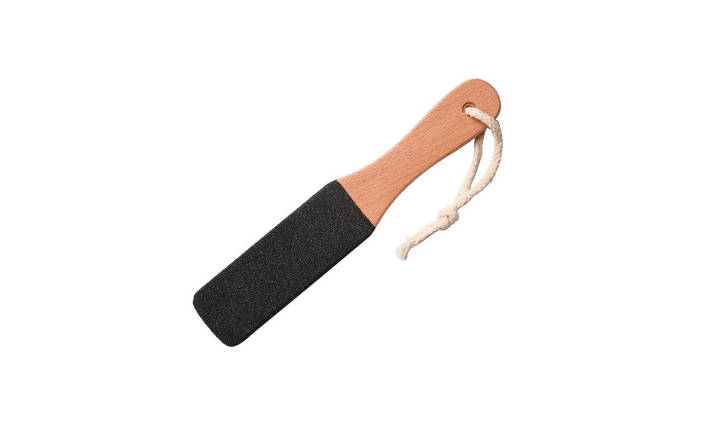
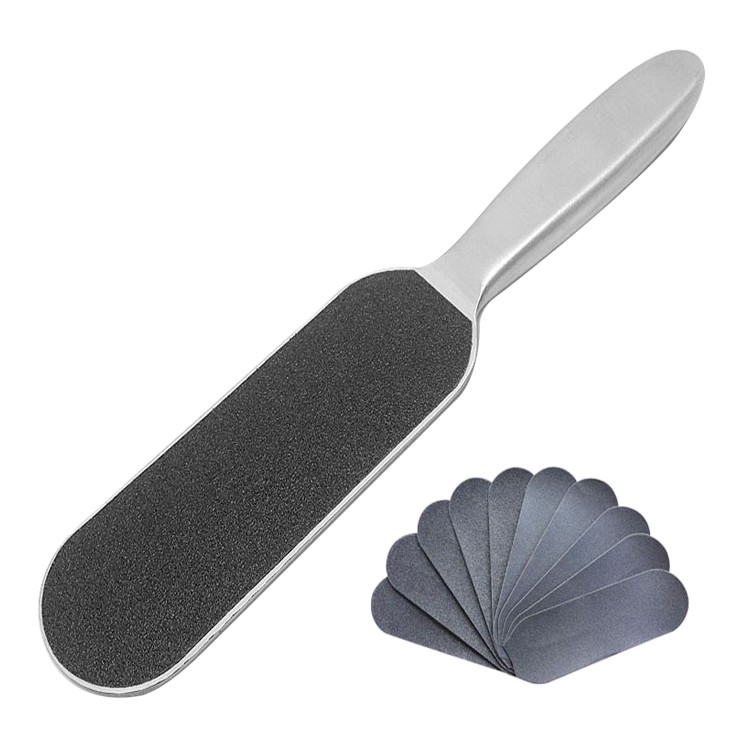
Foot files come in different constructions. A wooden-handled design can carry fixed sandpaper or emery, while a stainless steel base can carry a separate replaceable sanding pad. The working material and base form two different parts of that second design.
The outside material alone gives you too little information to choose a wet or dry method.
How Do You Use a Foot File on Heels?
How do you use a foot file on your heels? Sit where you can see the area, support your foot and aim for a small improvement at a time.
Light Pressure and Short Passes with a Foot File
When learning how to use a foot file, start with the gentler surface permitted by the tool instructions. Keep your grip steady and let the abrasive make light contact with the patch. A few short passes give you a chance to see and feel the change before continuing. Wipe away loose debris if the instructions allow. Then check for any new tenderness or redness and feel whether the roughness has eased. An awkward grip makes it tempting to bear down. Reposition the foot if you have to force the stroke or cannot see where the file lands.
When Should You Stop Filing Your Heels?
Stop after the surface feels a little more even. A small improvement is enough for one session. Stop immediately if the area feels hot, stings, becomes tender or looks newly red. If the skin opens or bleeds, leave the area alone and seek medical advice as appropriate. A thick, recurring patch can reflect pressure or friction. Reducing it again and again with more force may irritate the skin while the shoe or pressure point is still there. New pain or other changes also deserve a closer look.
Aftercare for Dry Heels
What Helps Rough Heels Stay Comfortable Between Sessions?
Treat daily heel care as its own job. For ordinary dryness, a moisturizer used consistently can help soften the skin. Look at the back of the shoes and the seam or fit of the socks if the same spot keeps rubbing. Cushioning and well-fitting shoes can reduce repeated pressure. If another session seems necessary because the skin is painful or cracking again, the next useful step is to find out why. A stronger file or a longer session offers little help with the underlying pressure.
How Should You Clean and Store a Foot File?
Check which surfaces can be cleaned and how the tool should dry.
The FLS-PFF-001 format has a separate stainless steel base and a replaceable sandpaper pad. The base and the abrasive can be handled as separate items for ordering and replacement.
Follow the manufacturer’s directions for cleaning and storage. A salon also needs to know whether the working surface is single-use and how the permitted reusable parts are processed under local rules. Let the components dry as specified before putting them back into clean storage.
Comparing Foot File Formats for Heel Care
What Can You Check on a Dual-Sided Foot File?
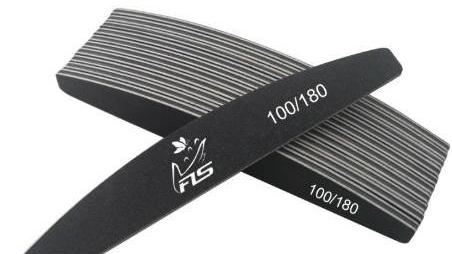
Felice beauty offers wooden-handled files in several abrasive formats. The FLS-PFF-003 uses sandpaper on a wooden handle and has a coarse side and a softer side. The FLS-PFF-004 also uses a wooden handle, with emery on both working sides. The latter is listed as a single tool per pack.
Identify the side by its documented working surface before you use it. For retail or salon ordering, check whether the package and insert make those working faces clear enough to tell apart.
How Does Felice beauty Specify a Refill-Pad Heel File?
Felice beauty lists the FLS-PFF-001 as a stainless steel base supplied with separate sanding pads. The model has a 25.0 by 4.5 cm base footprint and a listed sandpaper size of 13.3 by 4.2 cm. Another Felice beauty base, FLS-PFF-002, uses a smaller listed pad.
When reviewing the sample, check that the instructions explain how to use a foot file with the supplied pad. Match the pad model and dimensions and check how to replace the abrasive. If you already have a handle, take the model number to the supplier when replacing the pad.
FAQ
Q: How Often Should You File Your Feet?
A: Go by the skin’s response and the instructions for that tool. Leave time to see how the heel feels afterward. Persistent roughness is a reason to review friction, dryness and other causes before increasing frequency.
Q: Can You Use a Foot File Over a Heel Crack?
A: Keep abrasive tools away from open or bleeding cracks. Get professional advice if the crack is deep, painful, persistent or shows signs of infection. People with diabetes should consult a clinician about calluses or skin changes.
Q: Should a Foot File Be Used on Wet Skin?
A: To find out how to use a foot file when the skin is damp, check the directions for the particular file and abrasive. A dry heel can be prepared in different ways depending on that tool. Before using a damp method, check that the working face, pad and backing are all approved for it.