What Are the Main Differences Between an Emery Board and a Nail File?
Material Composition and Structure
When you compare an emery board vs a nail file, the main difference shows up in their materials. Emery boards usually come from cardboard or foam. Workers then coat these bases with abrasive materials. This process keeps them light in weight and easy to discard after use. People often call them emery boards for nails. The gentle surface makes them a good fit for natural nails.
Nail files come with many more material choices. You can find them in metal, glass, crystal, or ceramic. These materials give better accuracy and make the files last longer. The material you pick affects how gently or roughly it files the nail surface. Softer ones work well for delicate nails. Harder ones suit artificial enhancements better.
How Each Tool Affects Nail Health
The difference between an emery board and a nail file also extends to their impact on nail health. Emery boards are gentler on natural nails but wear out faster due to their softer structure. Metal or glass files last longer and provide a smoother finish without creating jagged edges. However, using the wrong type — for example, a coarse metal file on thin nails — can cause splitting or peeling.

How Does Grit Affect Nail Filing Results?
What Do Grit Numbers Mean?
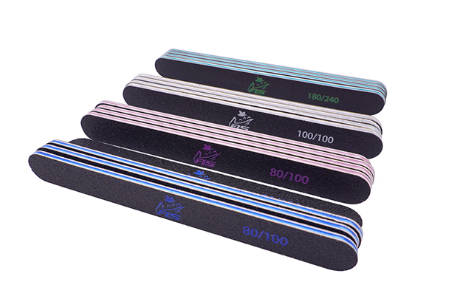
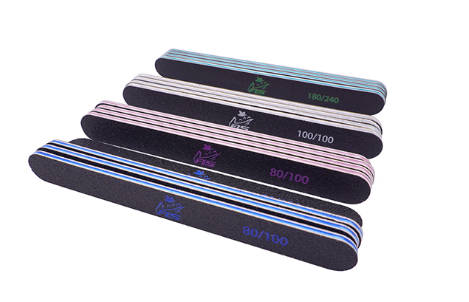
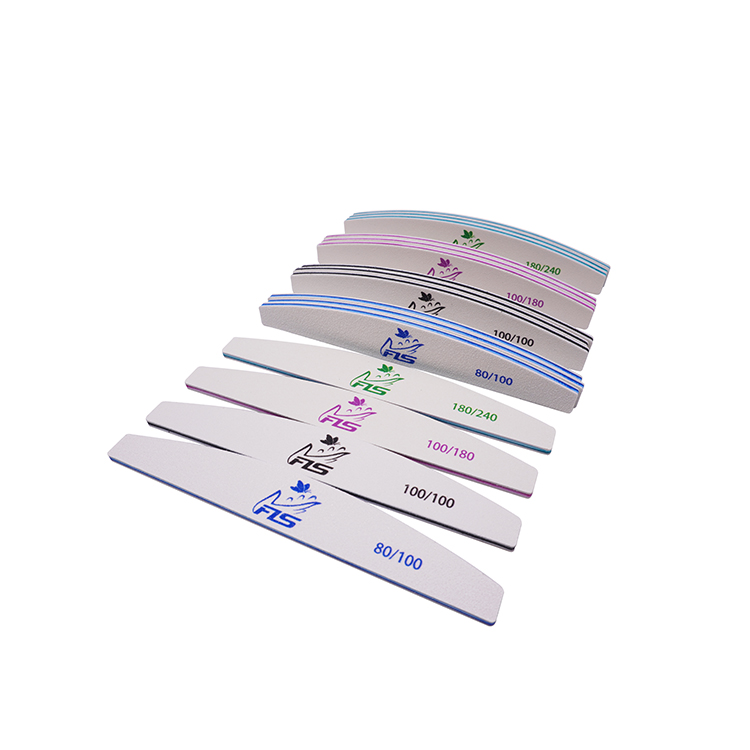
Grit refers to the coarseness of a file’s surface. The emery board grit numbers determine whether it’s suitable for shaping or finishing. Lower numbers (80–100 grit) indicate rougher textures used for artificial nails, while higher numbers (180–240 grit) are finer and ideal for natural nails. Understanding the emery board grit scale prevents over-filing that leads to damage.
Choosing the Right Grit for Your Nail Type
For Natural Nails
For natural nails, choose between 180–240 grit emery boards to shape gently without causing splits or frays.
For Acrylic or Gel Nails
Artificial surfaces like acrylics require coarser grits between 100–150 for efficient shaping. Metal-backed files perform best here because they maintain consistency under pressure.
For Finishing Touches and Shine
Ultra-fine grits above 400 refine edges and create a polished appearance similar to buffing blocks. Felice beauty’s multi-sided buffers integrate multiple grit levels for shaping, smoothing, and shining in one compact tool.
When Should You Use an Emery Board vs a Nail File?
Which Is Better for Everyday Nail Care?
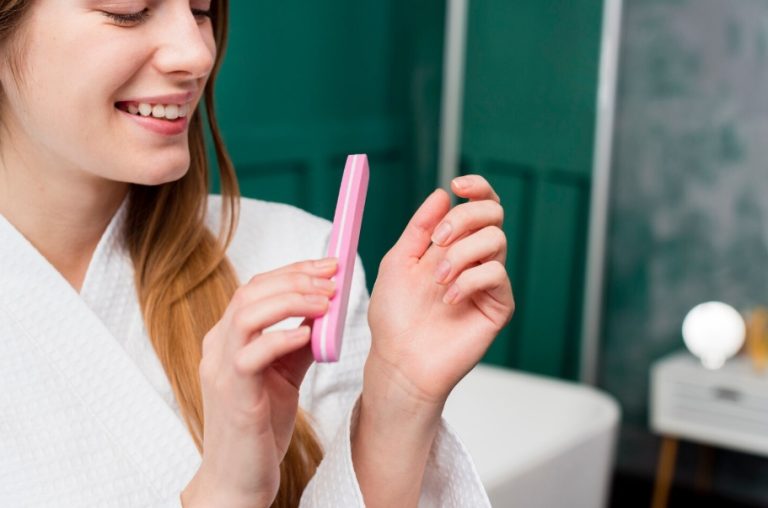
Is an emery board the same as a nail file? Not exactly, each serves different purposes. Emery boards are perfect for quick home touch-ups thanks to their portability and soft texture. Nail files made from glass or metal deliver precision during regular maintenance routines where accuracy matters more than convenience.
How to Properly File Nails Without Causing Damage
To protect your nails:
- Always file in one direction rather than sawing back and forth.
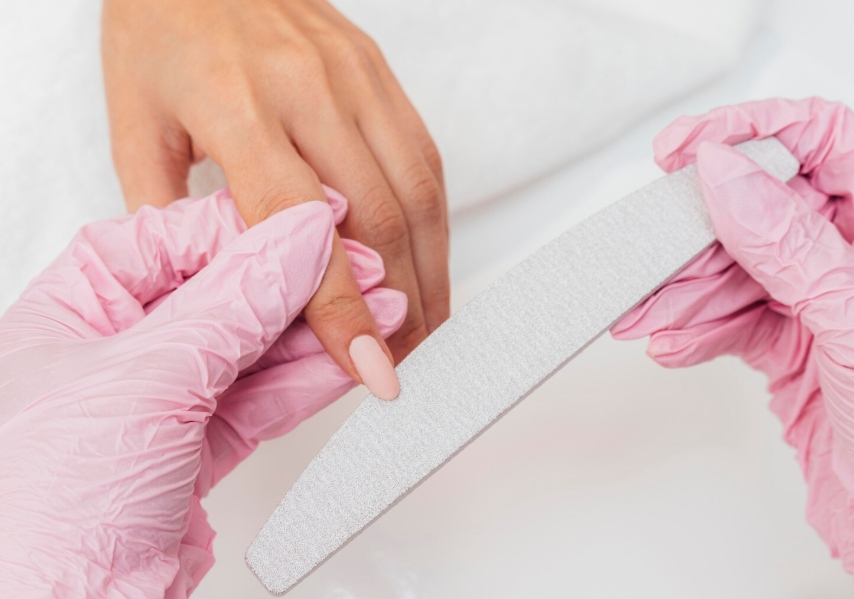
- Hold your file at a slight angle using gentle pressure.
- Avoid filing wet nails since moisture weakens keratin layers.
These techniques maintain smooth edges while minimizing breakage risks associated with aggressive filing motions.
The Professional’s Perspective: Which Tool Delivers Better Results?
Factors Professionals Consider in Choosing Between Emery Boards and Nail Files
Professionals evaluate durability, sanitation standards, and client nail types before selecting tools. Reusable files like glass or crystal meet hygiene requirements when properly cleaned between sessions — essential in salons where multiple clients share equipment.
Why Consistency Matters in Nail Filing Techniques
Consistency ensures even shaping across all nails. Uneven pressure can cause asymmetrical tips or weaken corners over time. Professionals emphasize uniform strokes using steady angles — this not only enhances aesthetics but also prolongs manicure lifespan by preventing micro-cracks along edges.
Felice Beauty’s Approach to High Quality Nail Care Tools
About Felice Beauty’s Product Range
At Felice beauty, we specialize in designing premium emery boards and nail files tailored for both professional salons and home users. Our product line includes sponge buffers, sandpaper files, wooden foot rasps, gel polishes, stickers, drills, lamps, and more — providing complete one stop shopping solutions under one brand identity.
Each product focuses on easy handling and hand comfort. It also keeps the abrasive particles spread evenly across the surface. Plus, it maintains reliable results for many uses. Our team backs full OEM and ODM customization options. Buyers gain the freedom to tweak shapes along with colors. They can also change packaging or add logos. All changes help align with their unique brand goals.
How Felice Beauty Enhances the Nail Care Experience
We make each item with great care that matches salon standards. This lets users reach expert results at home and without risk. We follow a green path. It puts focus on earth-friendly supplies. These supplies keep both strength and smooth performance. For example, our professional high quality custom private logo zebra grey nail file uses Japanese sandpaper that maintains even abrasion after multiple uses — making it both reusable and reliable compared with standard disposable emery boards.
We welcome global cooperation opportunities through flexible MOQ policies that cater equally to small businesses and large distributors worldwide.
FAQ
Q: Is an emery board better than a metal nail file?
A: An emery board treats natural nails with more care. Yet it wears out faster than metal files. These files give accurate shaping for thicker nails or artificial surfaces.
Q: Can I use an emery board on gel or acrylic nails?
A: It is not a good idea. Coarse-grit metal files or crystal files handle gel or acrylic finishes in a stronger way. They last longer without wearing down than paper types do.
Q: How often should I replace my emery board or nail file?
A: Replace disposable boards once their abrasive layer fades or becomes smooth; clean reusable versions regularly, depending on usage frequency. If you want to know how to clean an emery board, rinse gently under warm water with mild soap, then let it dry completely before reuse.
Q: What do emery board grit numbers mean?
A: The numbers indicate coarseness—lower values remove material quickly while higher values refine edges smoothly; understanding this scale helps match tools correctly with your specific nail type.
Q: Are all emery boards the same?
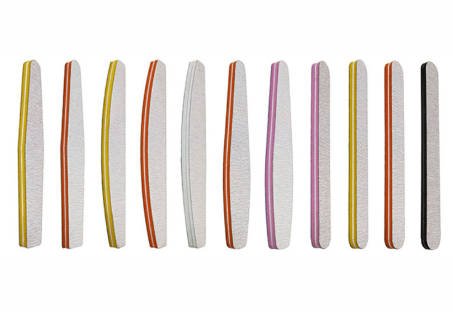
A: No; variations exist in thicknesses, materials (foam vs cardboard), shapes (straight vs curved), and grit levels—each influencing comfort during use and results achieved afterward.