Choosing among the many types of nail files is a specification decision, not simply a matter of appearance. Salon buyers, distributors and beauty brands need the right abrasive, backing, grit and shape for each service. A clear comparison also prevents a file designed for extensions from being used on natural nails. This guide explains the main categories, how a nail file material changes performance, how to read a nail file grit chart, and how to turn those choices into a practical business range.
What Are the Main Types of Nail Files?
How Do Nail Files Differ by Abrasive Surface?
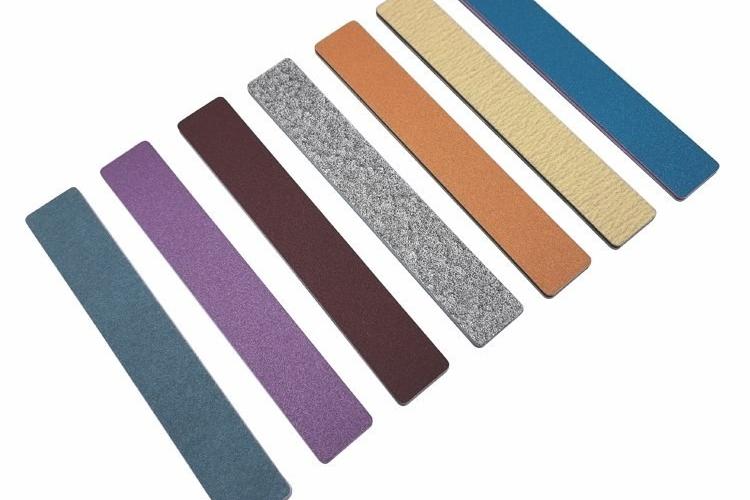
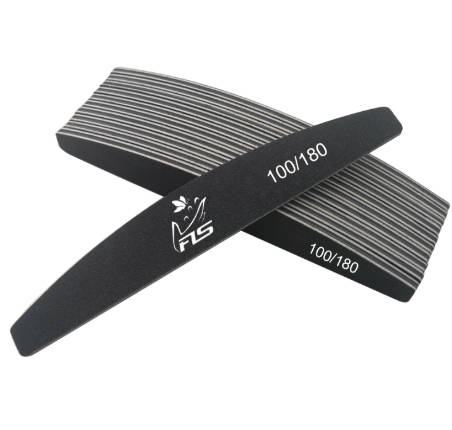
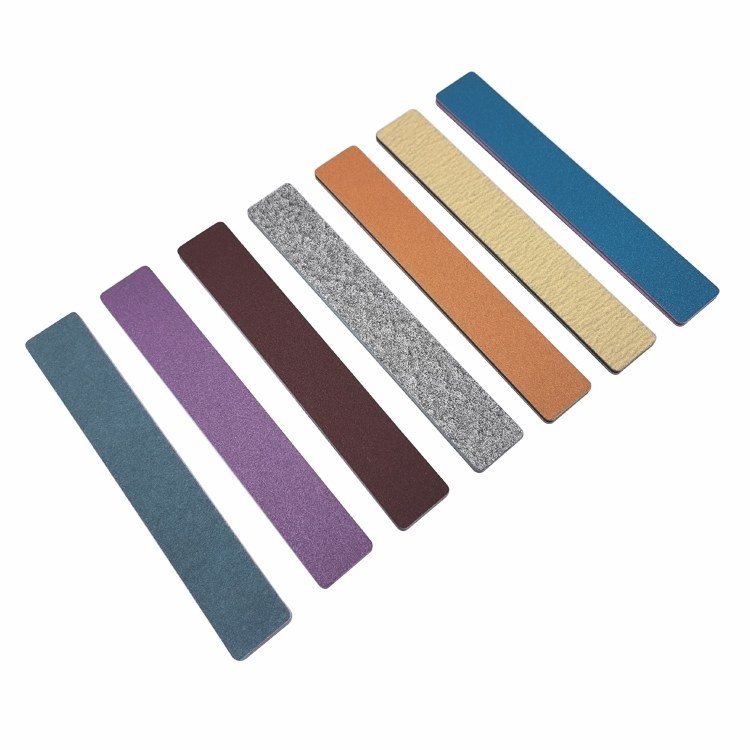
The abrasive surface is the part that contacts the nail. Board files commonly use a sandpaper or emery coating fixed to a firm core. Glass files use a textured surface made in the glass itself, while metal files use a shaped metal surface. Sponge and foam files add cushioning and are often used for smoothing or polishing. These categories can overlap: a foam core may carry sandpaper on both sides, and a buffer may combine several surfaces in one block.
Which Nail File Type Fits Salon, Retail or Home Use?
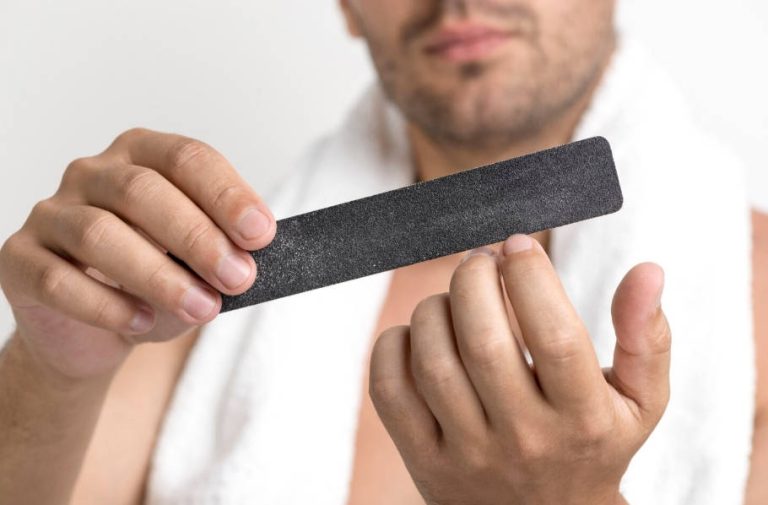
Professional services usually need predictable grit, a comfortable grip and a format that fits a repeatable workflow. Among the types of nail files, that usually means specifying the service before selecting the surface. Retail kits may prioritize compact size, attractive printing and easy storage. Home-use sets often benefit from a forgiving surface and clear instructions. Buyers should therefore describe the user, service and expected frequency before selecting a file. The best range may include more than one format, rather than forcing every customer into one tool.

Which Nail File Material Should Buyers Choose?
Glass Nail File vs Metal: How Do They Compare?
When comparing glass nail file vs metal, buyers should look at filing feel, cleaning process, breakage risk, packaging and target price. Glass offers a smooth, consistent contact surface when manufactured correctly. Metal provides a firm, rigid tool that can suit users who prefer a traditional professional feel. Neither material is automatically right for every nail or service. A buyer should test the actual sample, because surface texture and edge finishing can vary between constructions.
Are Emery Nail Files and Sandpaper Nail Files the Same?
An emery nail file generally describes a file using an abrasive emery surface, often bonded to a board or foam core. A sandpaper nail file describes the coated abrasive format more broadly. In everyday commerce the terms are sometimes used interchangeably, but the backing, adhesive, coating density and finishing still matter. These files are practical for shaping and for private-label sets because the core, cover, printing and grit pairing can be specified separately.
How Does a Nail File Grit Chart Guide Product Selection?
What Do Nail File Numbers Mean in Practice?
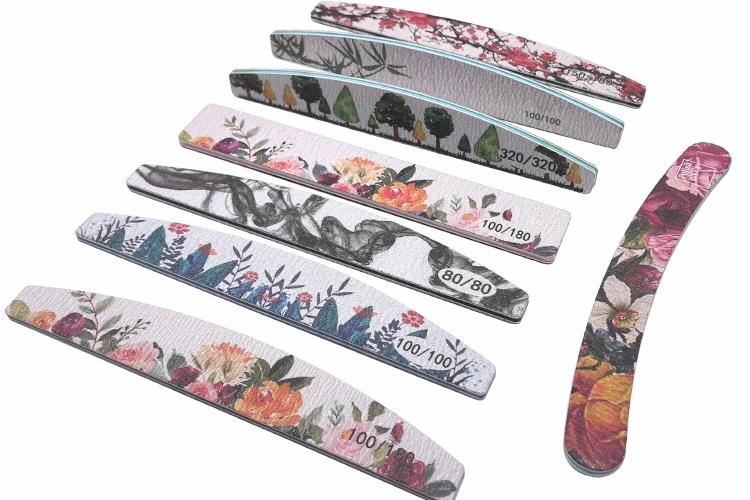
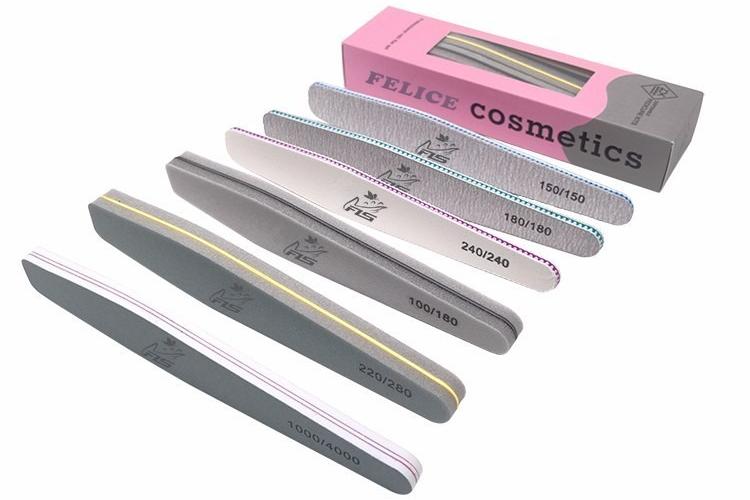
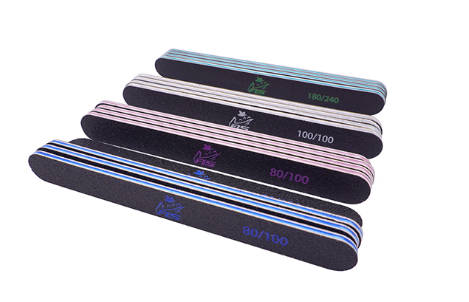
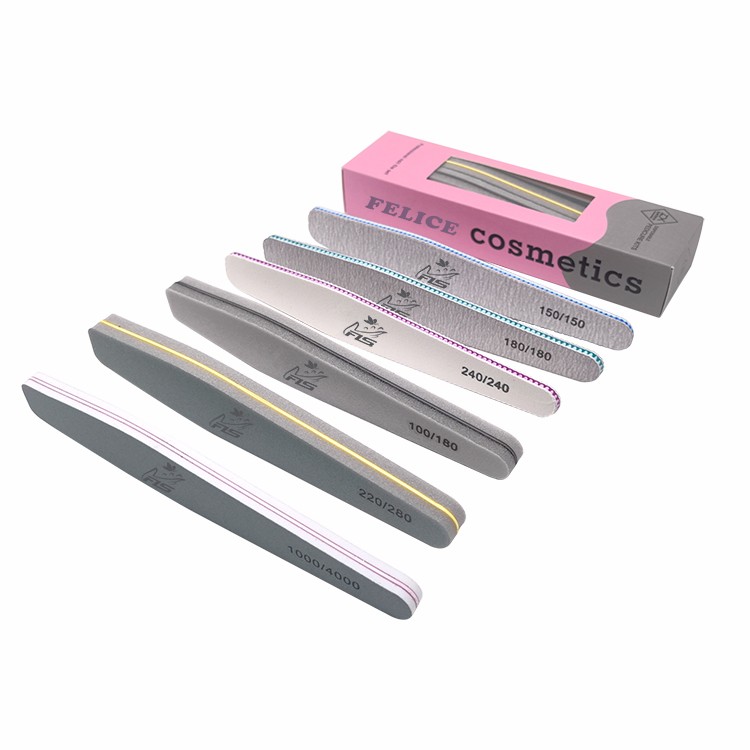
In a nail file grit chart, a lower number usually indicates a coarser abrasive and a higher number a finer one. Nail file numbers should be read as a starting point, not a complete performance guarantee. The same nominal grit can feel different when the abrasive, backing and coating method change. A 100/180 combination, for example, can place a stronger shaping side beside a finer finishing side. Buyers should confirm the printed number against a physical sample.
Which Grit Works for Natural Nails, Gel or Extensions?
Natural nails generally call for a controlled, finer surface and light pressure. Gel or extension services may require a coarser side for product reduction, followed by a finer side for refining. There is no single universal “best” grit for every gel-removal job: product thickness, technician technique and the remaining natural nail all matter. A useful nail file grit chart therefore lists the intended service beside each grit rather than presenting numbers without context.
Which Shapes and Formats Work Best for Different Applications?
When Should Buyers Choose Mini or Double-Sided Nail Files?
Mini files work well for travel kits, retail add-ons and quick edge corrections because they take little space. Double-sided formats let a user move from shaping to smoothing without changing tools. The correct choice depends on how much working surface a technician needs and how the product will be packed. A sample should be checked for grip, edge comfort and whether the two sides remain clearly distinguishable after printing.
How Can a Multi-Surface File Improve a Service Workflow?
A multi-surface block can combine shaping, smoothing and finishing steps in a single tool. This can simplify a manicure station and make instructions easier for a retail customer to follow. It does not remove the need for correct technique: each surface should have a defined role, and the sequence should be explained. For business buyers, multi-surface formats are especially useful when one SKU must support several routine services.
How Should Businesses Specify Nail Files for a New Product Line?
What Should a Nail File Specification Sheet Include?
A useful specification sheet records the intended nail type, abrasive and nail file material, grit or grit pairing, shape, dimensions, core, printing, packaging and inspection points. It should also state whether the product is intended for natural nails, gel services, extensions, polishing or retail touch-ups. If the brief includes an eco-friendly nail file position, the buyer should define the exact material or packaging claim that can be documented, rather than using “eco-friendly” as an unsupported certification statement.
How Can Felice Beauty Support Custom File Selection?
At this stage of the buying process, Felice beauty can help buyers compare custom nail files, emery boards and buffer formats against the intended service and presentation. We can discuss verified material and grit directions, shape and surface combinations, logo placement and packaging requirements, then use samples to confirm the final specification. Our role is to turn a broad request into a clear, testable brief so the selected file fits the customer experience and the brand’s product line.
FAQ
Q: What are the most common types of nail files?
A: Common categories include sandpaper or emery boards, glass files, metal files, sponge files and multi-surface buffers. The right category depends on the nail type, service and cleaning workflow.
Q: Is a glass nail file better than a metal nail file?
A: Not universally. Compare the actual surface, grip, cleaning needs, packaging and intended user before approving a material.
Q: What do nail file numbers mean?
A: They generally indicate abrasive coarseness: lower numbers are usually coarser and higher numbers finer. Always confirm the result with a sample because construction affects feel.