Buying wholesale nail files is a supplier-management decision as much as a product decision. Salons need consistent handling across appointments, distributors need repeatable specifications, and beauty brands need packaging and private-label details that can be reproduced. A low unit price cannot compensate for changing grit, unclear materials or an unreliable replenishment process. This guide gives B2B buyers a practical way to compare construction, hygiene information, samples and commercial controls before approving a supplier.
Why Is Supplier Selection More Than Finding Cheap Wholesale Nail Files?
What Makes Wholesale Multi Surface Nail Files Useful to a Business?
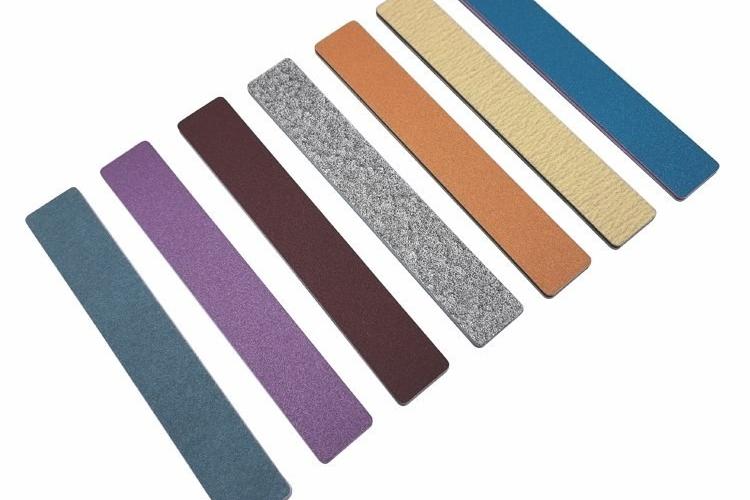
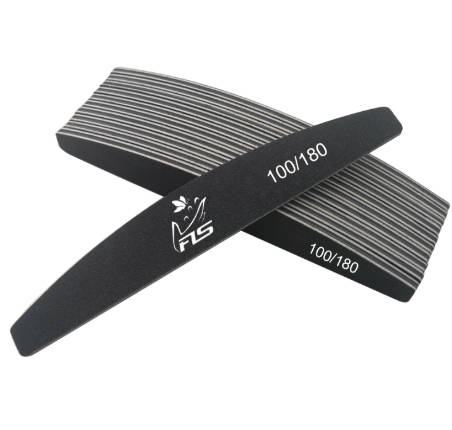
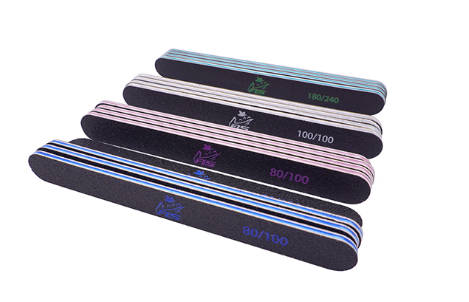
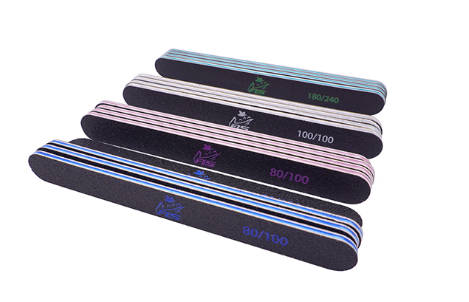
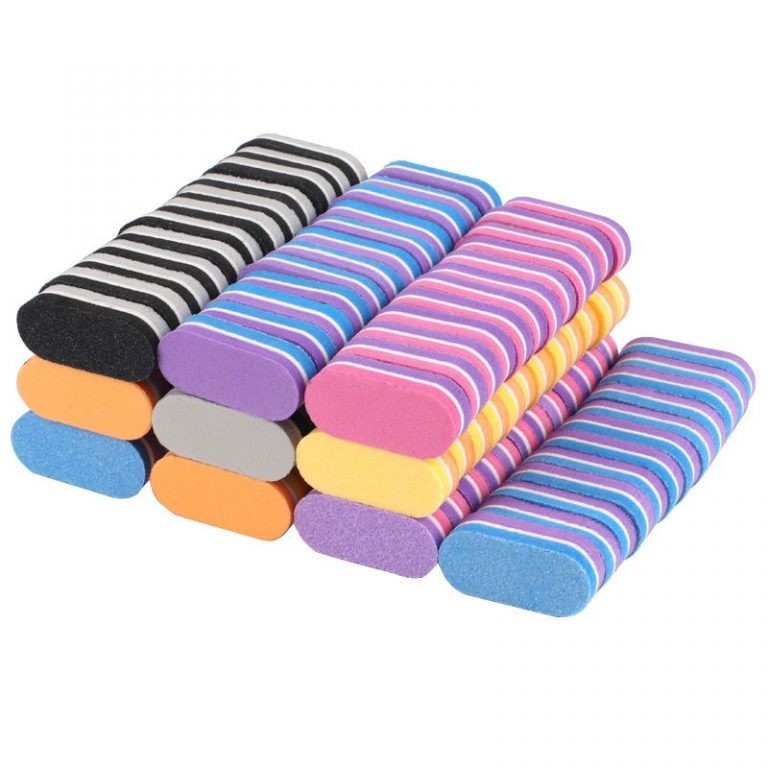
A mixed assortment can cover shaping, finishing, buffing and different customer preferences without forcing every job into one format. Wholesale multi surface nail files may include sandpaper, sponge, emery or other documented constructions. The useful question is not whether a range sounds broad, but whether each surface has a defined task, material record and replenishment plan.
Which Supplier Risks Are Hidden Behind a Low Unit Price?
The quote may exclude custom packaging, labels, artwork changes or sample revisions. A similar-looking file may also use a different board thickness, abrasive grade or grit pairing. If the supplier cannot state what is fixed and what can change between lots, the buyer carries the risk of inconsistent service and customer complaints. Compare the written specification, sample and commercial terms together.
How Should You Compare Nail File Materials, Surfaces and Grits?
Are Emery Boards the Same as Nail Files for Purchasing?
The terms overlap, but they do not always identify the same construction. An emery board may describe a coated abrasive board, while “nail file” can refer to sandpaper, sponge, glass, metal or polishing formats. For purchasing, write the material stack, dimensions, grit and intended use instead of relying on a category name. This makes the request clear to the supplier and the receiving team.
Are Nail Files Sandpaper, Sponge, Metal or More Than One Material?
Some nail files are sandpaper products, but the category is broader. Verified project records include sandpaper with plastic board and EVA, sponge-and-emery buffer constructions, and other material types. The nail file material affects flexibility, surface feel, cleaning expectations and replacement planning. A buyer should ask for the exact layer description and avoid treating a material phrase as a universal performance claim.
How Should a Supplier Document Grit and Surface Pairing?
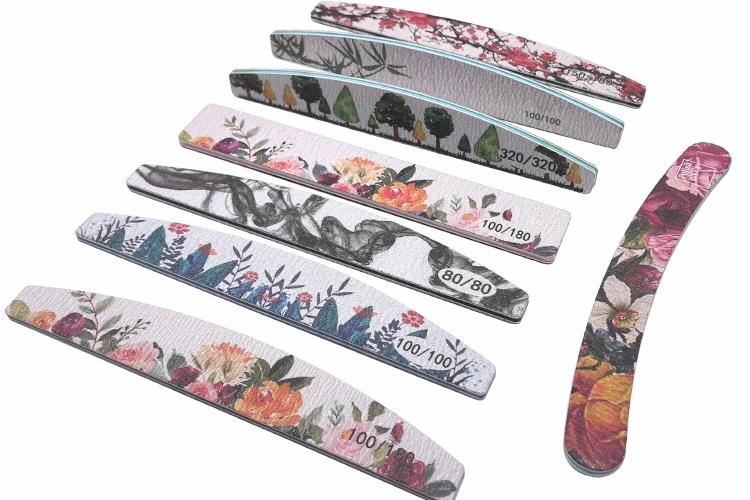
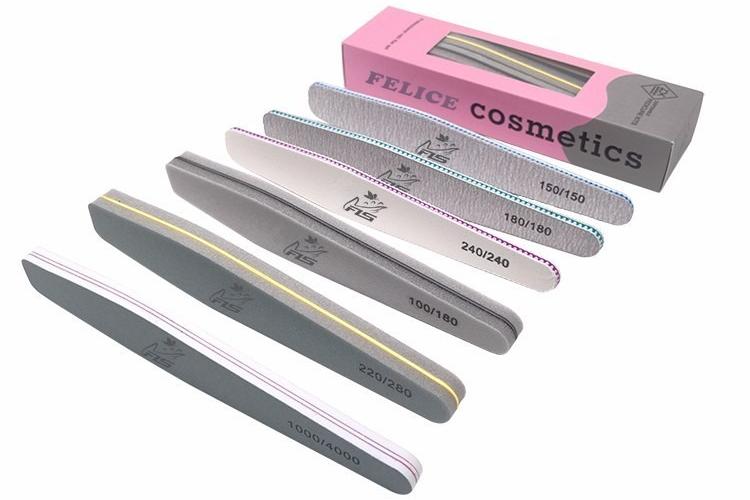
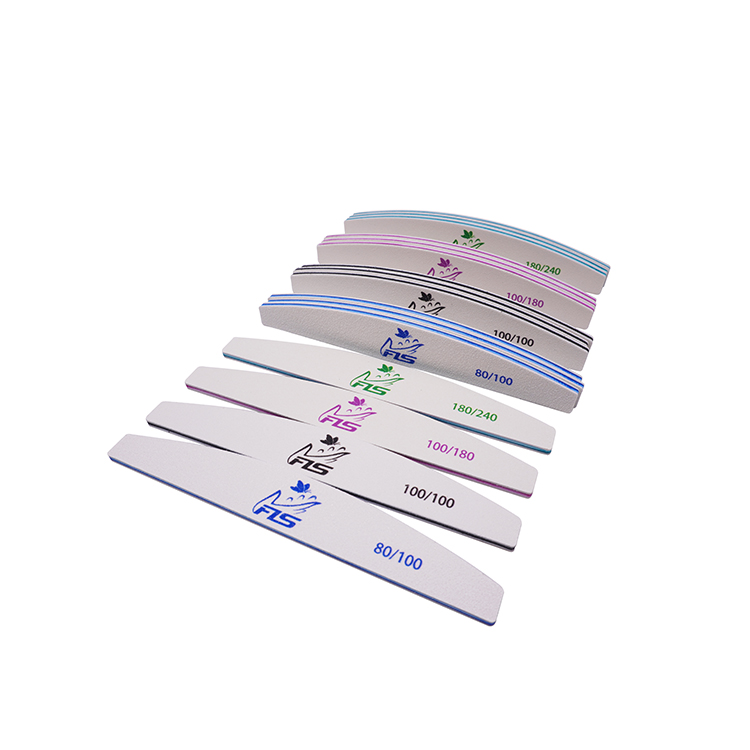
The specification should state the grit on each side, the order of the pairing, the abrasive type and the pack label. Records in the project range include 80 through 320 on selected models, but not every model carries the same range. Ask the supplier to mark the sample and carton consistently so the receiving team can identify a mismatch quickly.
What Hygiene and Reuse Policy Should a Wholesale Nail File Supplier Provide?
Can You Reuse Nail Files on Clients?
There is no universal yes or no. Reuse depends on the construction, the salon’s hygiene policy and a validated cleaning or disinfection procedure. A disposable coated board should not automatically be treated like a washable sponge file, and a supplier’s statement about washability should not replace the salon’s own policy. Ask which model the statement applies to and record the conditions that were actually evaluated.
How Should Buyers Evaluate Washable Nail Files?
When a model is described as washable, confirm the exact material, abrasive layer and care instructions. Project records identify washable features on selected sponge nail-file and buffer models, not across every file. The question is not only how to wash nail files, but whether the surface, bond and core are designed for the buyer’s cleaning process. Do not invent chemical, temperature or cycle limits that the supplier has not verified.
Do Metal Nail Files Wear Out and How Long Do Nail Files Last?
Metal nail files can wear or lose the expected surface action, and coated files can also shed, clog or become less effective. Service life depends on surface material, workload, pressure, cleaning, storage and replacement policy. That is why a supplier should not promise one lifespan for all wholesale nail files. Ask how wear is recognized, whether a replaceable surface exists, and how repeat orders are checked against the approved sample.
Which Supplier Checks Protect Your Wholesale Nail Files Program?
What Should a Pre-Production Sample Prove?
The sample should confirm the material stack, grit pairing, length, width, thickness, shape, edge finish and handling feel. It should also show the agreed logo, color, label and pack format. For a salon program, test the file in the relevant workflow. For a retail brand, review the product description and packaging together so the customer-facing promise matches the physical item.
How Do Packaging, Labels and MOQ Affect Reordering?
Packaging is part of the supply specification, not an afterthought. Confirm units per pack, inner and outer cartons, labels, assortment ratios and whether custom packaging carries a model-specific MOQ or fee. Project records show examples of 25- or 50-piece packaging and custom labels, but those details must be checked for the selected model. Record shipment terms separately from the product specification.
What Should a Supplier Share About Changes Between Lots?
Request notification when the abrasive, board, EVA, sponge, print, packaging or grit pairing changes. Keep an approved reference and require reapproval when a change affects use or appearance. This is particularly important for wholesale multi surface nail files, because a change to one surface may not be visible from the front of a carton. Lot records help the buyer trace a complaint without guessing.
How Can Felice beauty Support a Wholesale Nail Files Program?
Which Wholesale Nail File Formats Do We Help Buyers Compare?
At Felice beauty, we help buyers compare documented nail-file and buffer formats by material, grit, size, shape and packaging. Our verified records include sandpaper files with plastic board and EVA, selected sponge-and-emery buffers and other nail-art tool categories. We use the specific model record as the starting point, so a buyer can distinguish a washable sponge format from a standard coated file rather than treating all products alike. Felice beauty keeps the comparison tied to the selected model.
How Do We Use Samples, Customization and Pack Details?
We can discuss logo, color, shape, size, labels and packaging against the buyer’s brief. Our company records state that a pre-production sample is available for quality checking before bulk production. We recommend that buyers approve the sample, retain the reference and document the test method before moving to wholesale nail files at scale. Current stock, MOQ and quotation details should be reconfirmed for the selected model.
FAQ
Q: Are emery boards the same as nail files?
A: They can overlap in everyday language, but purchasing should identify the actual construction. Specify the abrasive, core, cushioning layer, grit, size and intended use rather than relying on the name alone.
Q: Can you reuse nail files on clients?
A: Only when the exact construction and the salon’s validated hygiene policy support reuse. Confirm the supplier’s care information for the selected model and do not generalize a washable claim to every file.
Q: How long do nail files last?
A: There is no single verified lifespan for every material or workload. Track abrasive wear, handling, cleaning and service volume, then define replacement criteria against an approved sample.