Exploring Different Nail File Materials
What Are the Main Types of Nail File Materials?
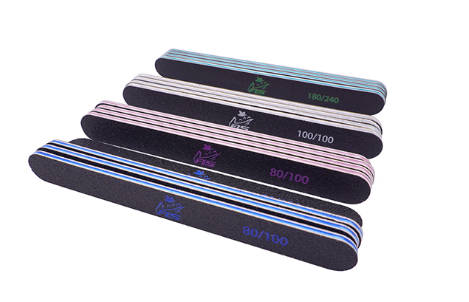
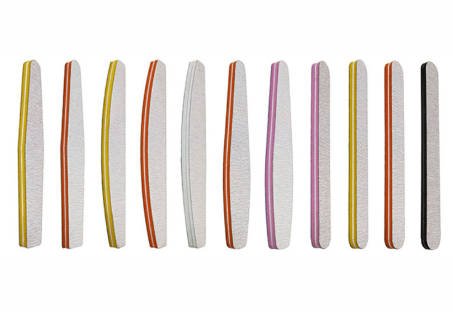
Nail files come in a range of materials. Each type gives its own feel and strength. The most common nail file materials include emery, glass, crystal, metal, and ceramic. Emery boards are classic tools. They use sandpaper-like surfaces bonded to a flexible base. They stay light and work well for everyday shaping. Glass and crystal files have fine abrasive surfaces. These surfaces glide smoothly across the nail edge. They seal keratin layers and help stop splitting. Metal files stay sturdy and last long. Yet they can feel too rough for delicate nails. Ceramic files mix hardness with smooth abrasion. They shape nails gently and resist wear over time.
Each personalized nail file material shapes the texture and finish of the nail in its own way. Emery gives moderate friction. This suits quick shaping. Glass or ceramic brings precision finishing. It causes little damage. Maintenance also differs. Emery boards are disposable. Glass and metal files can be sanitized for repeated use.
Comparing Natural vs. Synthetic Nail Files
Natural nail files, such as emery boards, give a softer grit. This grit suits fragile or thin nails. They wear down over time. Still, they offer a tactile filing experience. This experience avoids over-thinning the nail plate. Synthetic options like glass or ceramic deliver smoother finishes. They also last longer since they keep their grit well.
When picking between natural and synthetic types, both sustainability and performance count. Natural materials may suit eco-conscious users. These users want biodegradable choices. Synthetic models support reusable and hygiene-friendly designs. Such designs work well for professional salons that focus on quality and longevity.
How to Choose the Right Nail File for Your Nail Type
Which Nail File Material Works Best for Natural Nails?
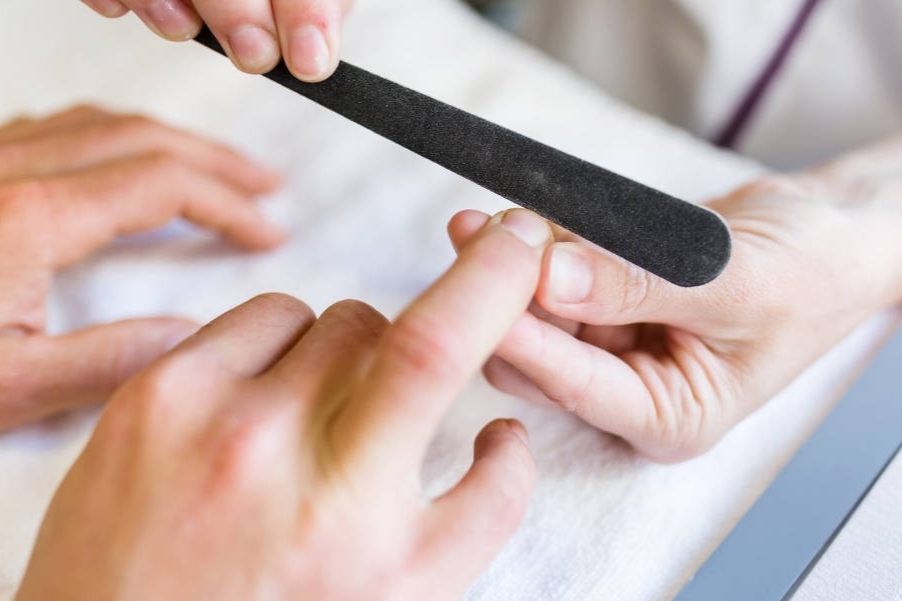
For natural nails, gentleness matters most. Emery boards remain one of the best nail file material options. Their soft grit cuts down on tearing. Glass files also earn strong recommendations. They seal edges well and help stop peeling. This benefit supports healthy growth. Avoid coarse metal surfaces. They can cause micro-fractures along thin nails.
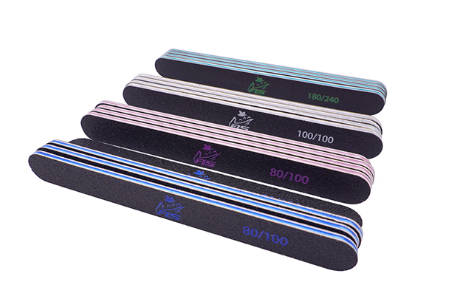
Felice beauty offers professional-grade emery-based tools such as the Professional high-quality custom private logo white nail file and emery board. It uses good white sandpaper on a flexible plastic base. This design supports smooth shaping without harshness.
What About Acrylic or Gel Nails?
Acrylics or gels need tougher abrasives. These abrasives handle thicker material layers with ease. Metal or crystal files with coarse grits between 100–150 work best. They reshape these enhancements quickly. They do so without too much pressure. Regular cleaning keeps things hygienic when working with artificial overlays.
Felice beauty’s durable zebra grey sandpaper models give good control during acrylic filing sessions. The professional high quality custom private logo zebra grey nail file and emery board suits salon use. It features washable Japanese sandpaper construction.
How Does Grit Level Influence Filing Results?
Fine Grit (240+)
Fine-grit files suit finishing touches. They smooth ridges or refine free edges after shaping.
Medium Grit (180–220)
Medium grits balance speed with care. They shape natural nails well without stripping protective layers.
Coarse Grit (100–150)
Coarse-grit tools remove material fast from acrylics or gels. They work well when reshaping extensions or clearing old product buildup. The best nail file to remove gel polish often falls within this range.
Understanding these nail file numbers helps match your manicure process to your nail type and finish goals.
Maintenance and Longevity of Nail Files
How Can You Clean Different Nail File Materials?
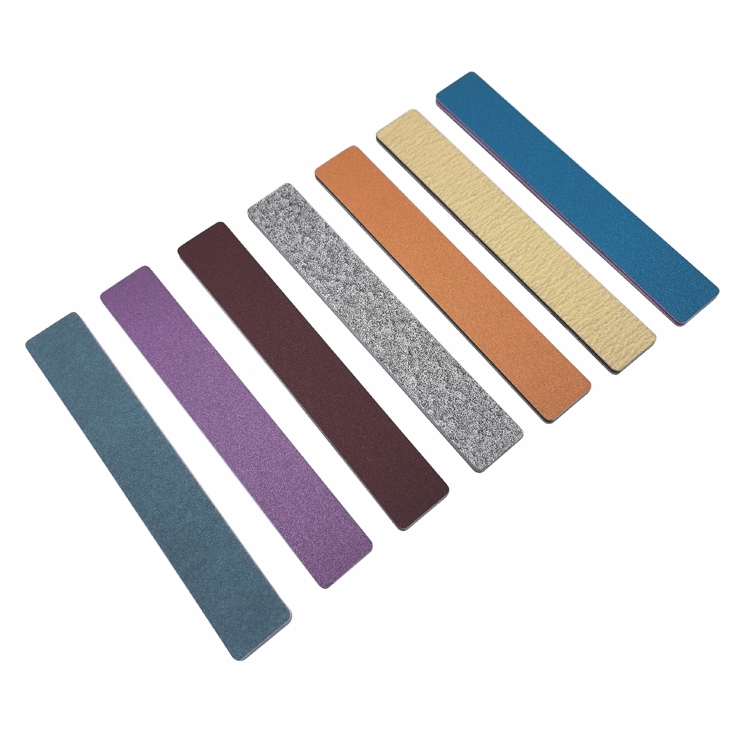
Cleaning methods depend on the type of file. Glass and metal files can be sanitized with alcohol wipes or UV sterilizers. Their non-porous surfaces resist water absorption. Ceramic versions may simply be rinsed under warm water. This step removes residue buildup. Disposable emery boards should be replaced often. Their porous layers trap debris and cannot be disinfected well. This keeps hygiene standards high during repeated use.
Tips to Extend the Life of Your Nail Files
Proper storage helps preserve tool integrity. Keep all files in dry conditions away from humidity. This step prevents bacterial growth on porous surfaces like sponge buffers. Avoid dropping glass or crystal versions. They may chip even though they are durable. For professionals who travel between clients, protective pouches keep custom nail file sets safe from scratches or contamination.
Professional Insights: Choosing Quality Over Quantity
Why Material Quality Matters in Long-Term Nail Health?
High-quality manufacturing ensures even grit distribution. This reduces the friction that can cause splitting. The result supports strong natural nails over time. Premium materials produce even abrasion without jagged edges. Such edges might weaken keratin bonds. Investing in superior personalized nail file materials saves money through fewer replacements. It also supports healthier manicures at home and in salons.
Spotlight on Felice Beauty’s Nail Care Collection
What Makes Felice Beauty’s Nail Files Stand Out?
At Felice beauty, we focus on professional-grade tools. These tools combine good looks with ergonomic design. Our collection includes premium options such as tempered glass and fine ceramic blends. They work for both natural and artificial nails. They deliver salon-quality precision at home.
How Felice Beauty Promotes Healthy Nail Maintenance
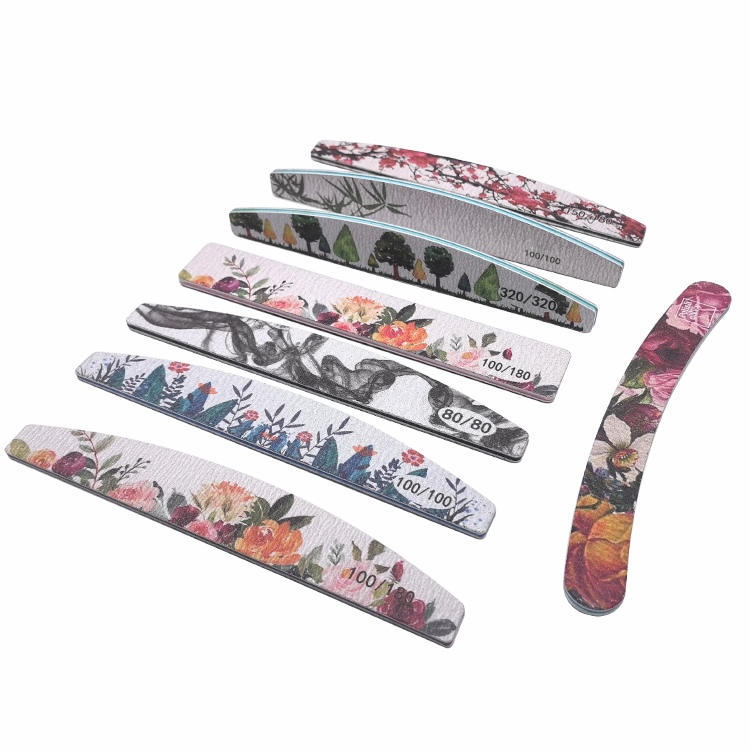
We stress gentle abrasion technology in our production. This lowers peeling risks even after many filing sessions. Our sustainable approach supports reusable formats. One example is washable sponge buffers. They use high elastic sponges paired with durable emery layers. These appear in Beautiful printing, sponge nail file buffer with custom logo. By mixing strength with eco-conscious design, our tools support good hygiene. They also aid long-term environmental responsibility in global markets.
FAQ
Q: What is the safest nail file material for weak nails?
A: Glass or fine-grit emery boards remain safest. They cut frictional stress and help prevent breakage during shaping.
Q: How often should I replace my nail file?
A: Replace disposable emery types every few uses. Cleanable versions like metal or glass models can last several months if sanitized after each use.
Q: Can I use one nail file for both natural and acrylic nails?
A: It works better to keep tools separate. Sharing between surfaces may move debris or bacteria. This can affect results and hygiene across treatments.