Nail Buffer vs. Nail File: What’s the Real Difference?
How Do Nail Buffers and Nail Files Work?
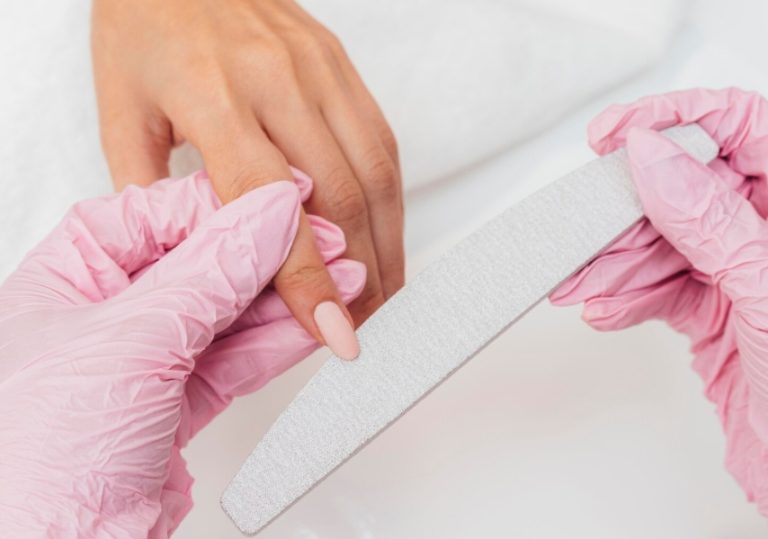
Understanding the distinction between a nail buffer and a nail file is key to maintaining healthy, natural nails. A nail buffer smooths and polishes the surface of the nail to create shine, while a nail file shapes and shortens nails by removing length from the edges. When comparing nail buffer vs nail file, each tool serves a different purpose. One focuses on refining the nail’s surface. The other ensures proper shape and length.
A nail buffer works by gently abrading the top layer of the nail plate. It removes ridges or unevenness. This gives nails a glossy finish without polish. This process answers the common question, “What does a nail buffer do?” It enhances shine through friction rather than chemicals. On the other hand, a nail file uses abrasive surfaces with different grit levels. It trims or contours nails precisely.
The Materials and Grit Levels Explained
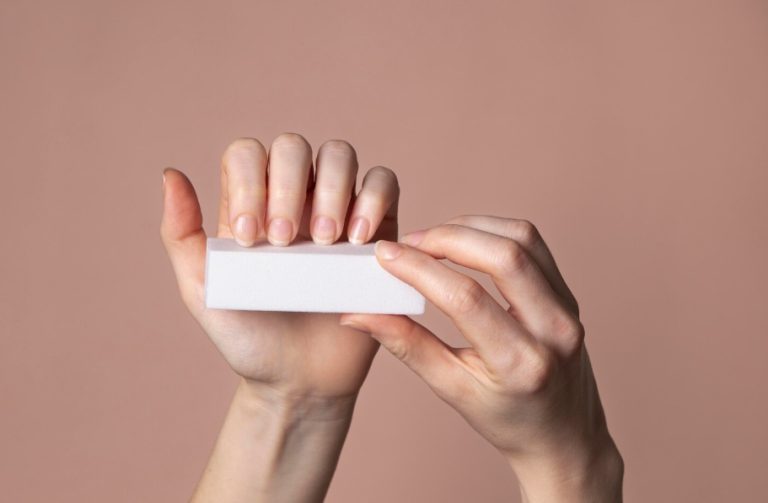
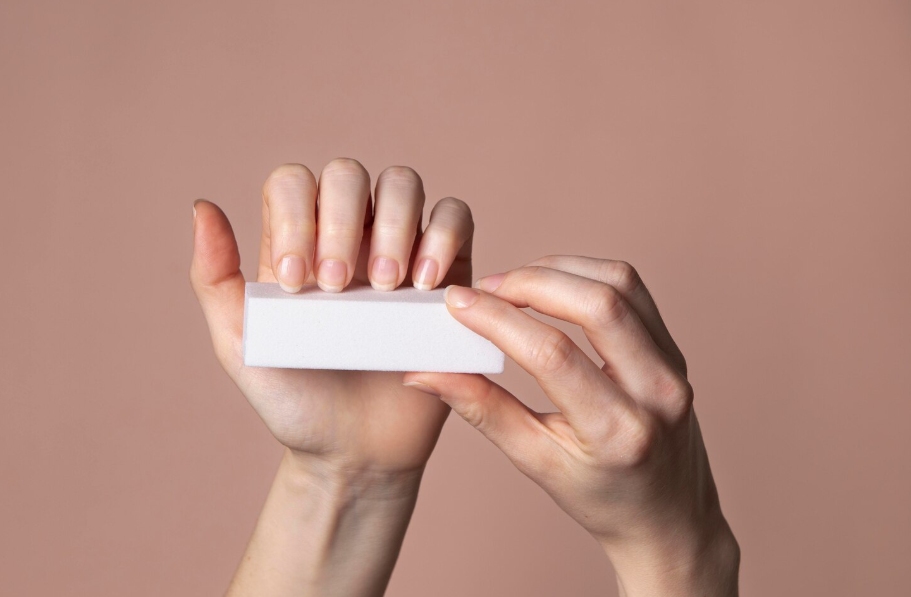
Both tools come in various materials and grit levels that determine their function. Nail buffers often feature multiple sides. This appears in the 4-sided nail buffer how-to-use. Each side handles specific steps like smoothing, buffing, or shining. For example, coarse sides remove ridges. Fine-grit sides polish instead.
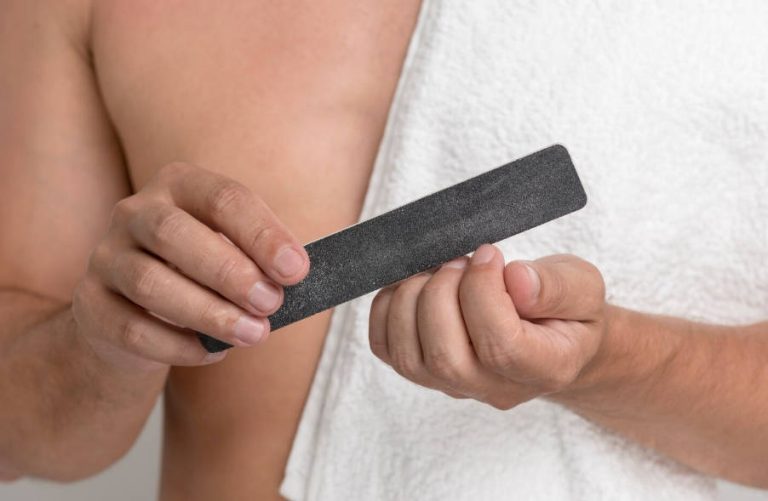
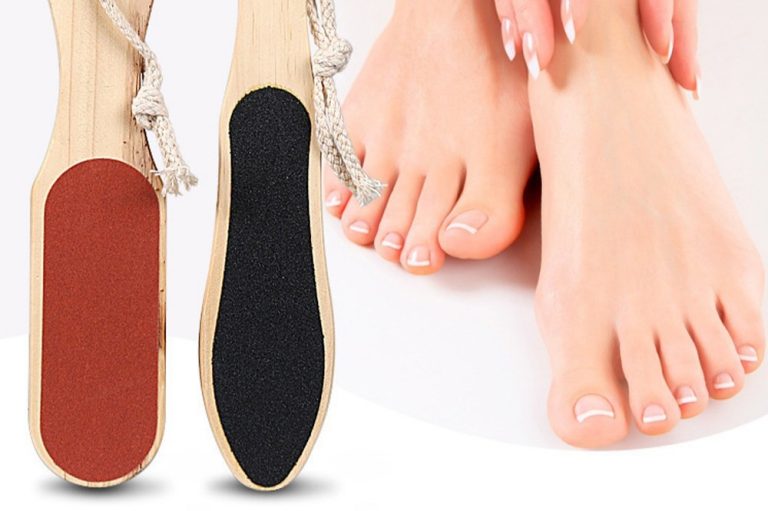
Nail files are available in several materials. These include emery boards, glass files, and metal files. Choosing between these depends on your nail type. For instance, glass files are gentler for natural nails. Grit sizes start at rough levels around 80 to 100. These work well on acrylic nails. They move to smoother options from 180 to 240. These suit natural nails better. Choosing the correct grit supports nail health. It prevents excessive thinning, too.
When Should You Use a Nail Buffer Instead of a Nail File?
Which Tool Is Better for Natural Nails?
When choosing between these two tools, think about your main goal. Buffers work well to boost natural shine without any polish. They fit people who like a simple look. They also help with the wish for nails that appear healthy and strong, all without added chemicals. Files are better suited for shaping and trimming length. This happens before applying polish or treatments.
However, moderation matters a lot here. Too much filing might lead to nails splitting or peeling. Buffing too hard can make nails weaker. It takes away the top layers of keratin that protect them. That is why using reduced nail buffers with a gentle grit helps keep abrasion to a minimum. It still achieves smooth results.
How Often Should You Buff or File Your Nails?
Buffing your nails once every two weeks proves enough. This step keeps the gloss intact without wearing them down too much. You can file once a week. That action holds the shape steady and blocks cracks from jagged sides. Regular upkeep makes natural nails tougher with time. It also supports growth that feels smoother.
For those wondering what a nail buffer is used for, it is primarily meant to refine texture. It does not replace filing entirely. Combining both tools correctly provides balanced maintenance. This supports overall nail health.
The Benefits of Using a Nail Buffer on Natural Nails
Why Choose the Best Nail Buffer for Natural Nails?
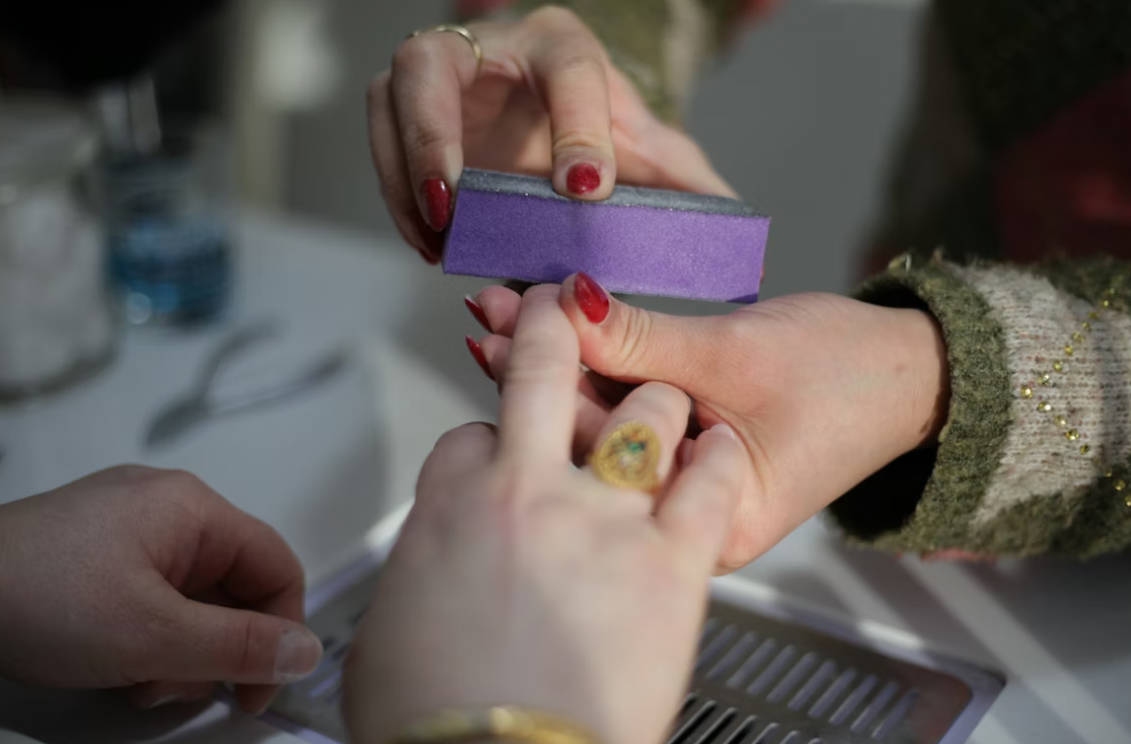
The best nail buffer should have gentle grit. It evens the surface without taking off too many layers of keratin from your natural nails. The buffing action boosts blood flow in the nail bed. This step cuts down on ridges and creates a smooth look. The result gives a natural shine like polished nails. But it does so without any chemicals.
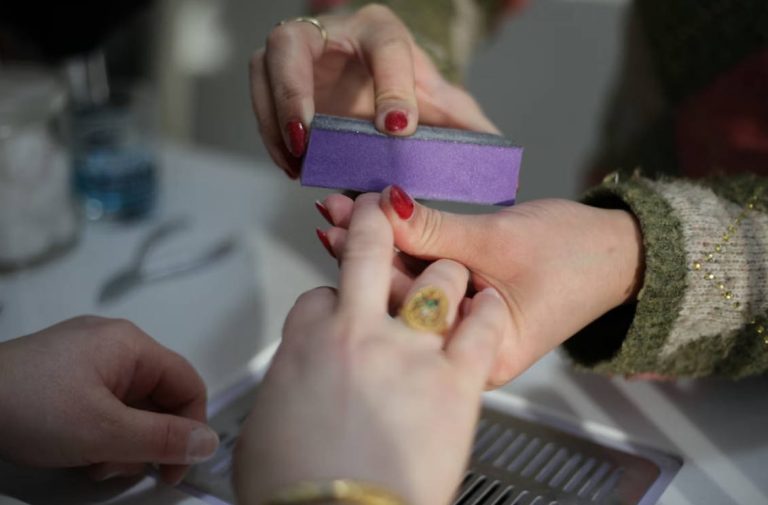
Different types of nail buffers exist. They range from sponge-based blocks to leather nail buffers designed for professional salons. Each offers unique benefits depending on desired results. Leather buffers are particularly durable. They are ideal for achieving high-gloss finishes naturally.
Tips for Getting Salon-Level Results at Home
To achieve professional results using even the best nail buffer:
- Use light pressure when buffing to avoid overheating or thinning.
- Clean your buffer after each use to prevent bacterial buildup.
- Follow up with cuticle oil or moisturizer to keep your nails hydrated after polishing.
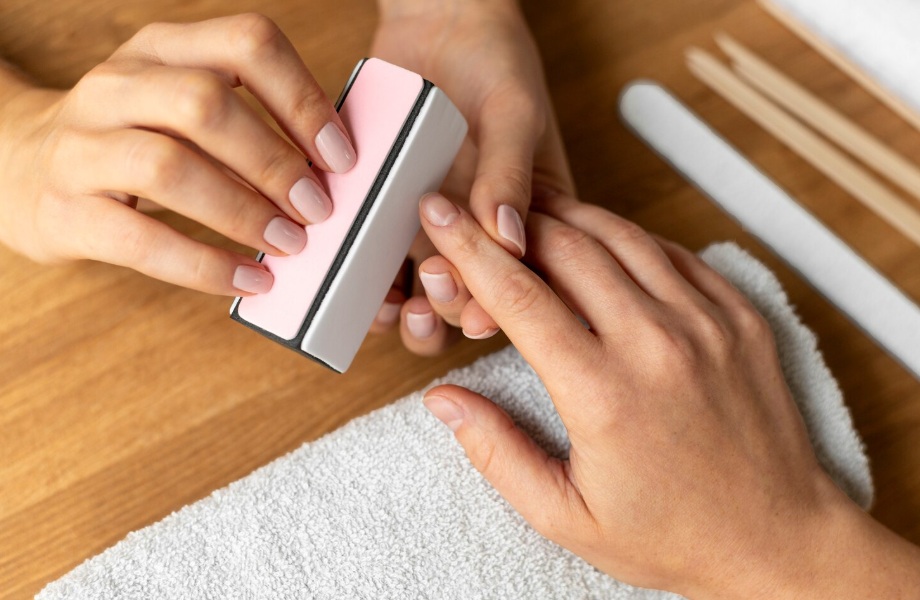
If you are using a 4-sided nail buffer, start with the coarsest side to smooth ridges. Then gradually move toward finer sides until you reach your desired shine level.
Common Mistakes People Make When Using Nail Buffers and Files
Are You Damaging Your Nails Without Realizing It?
People often press down too hard while filing or buffing nails. This habit can split the edges or make them peel away. Buffing too hard also strips off the natural layers that shield the nail plate. This causes weakness over time.
Overlooking grit size can also create rough patches. It may even weaken the nails. Pick tools with fine grit. These work well for natural nails. Skip the rough ones. They are made for acrylic nails instead.
How to Correct Poor Nail Care Habits
Switching to fine-grit buffers designed for natural use helps minimize damage risks. Avoid back-and-forth filing motions. Instead, file in one direction only. This prevents fraying at the tips.
It is also wise to allow rest periods between manicures. Your natural nails can recover fully before further treatment sessions.
Felice Beauty’s Approach to Natural Nail Care Excellence
Why Felice Beauty Stands Out in Nail Care Innovation
At Felice beauty, we focus on creating high-quality tools specifically engineered for natural nails. These range from multi-sided buffers to durable emery boards crafted with precision materials.
Felice beauty reflects our mission. We provide customers with all kinds of professional-grade products under one roof. These include gel polish, files, buffers, stickers, drills, lamps, and more.
We pursue “Honest, High-Quality, First-Class Service.” This ensures every product receives care and durability in mind. Examples include our sponge-based mini buffers like FLS-NB-002 and our professional zebra grey emery boards.
Our commitment extends beyond manufacturing excellence. We support custom branding (OEM) with small minimum orders. Professionals can personalize their salon tools easily. They maintain top-tier quality standards globally recognized by clients worldwide.
FAQ
Q: Can I use both a nail file and a buffer in one session?
A: Yes. You may file first to shape your nails. Then lightly buff afterward for smoothness. Just avoid excessive buffing that may thin out your natural plate over time.
Q: How do I choose between glass, metal, or emery board files?
A:Glass files are gentler on natural nails compared with metal ones. Emery boards work well but tend to wear out faster depending on the frequency of use.
Q: Does using a nail buffer make my nails thinner over time?
A:Excessive buffing can thin them slightly if done too often. However, gentle use once every couple of weeks using fine-grit tools enhances shine safely. No structural damage occurs when performed correctly.
Q: What types of nail buffers should I consider?
A:There are several types. These include sponge blocks like those offered by Felice beauty. Leather versions are used professionally as well. Each differs by texture and intended finish level depending on user preference or technique applied during polishing routines.