What’s the Real Difference between Nail Files and Nail Buffer Blocks?
What Makes a Nail File Different from a Nail Buffer Block?
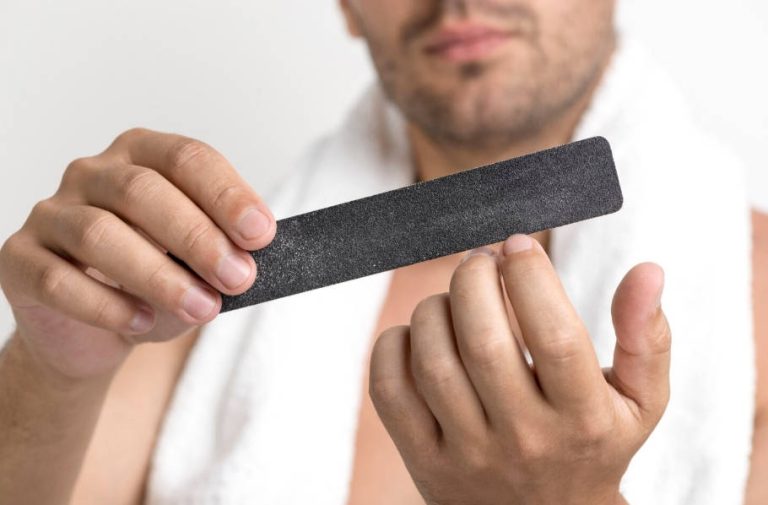
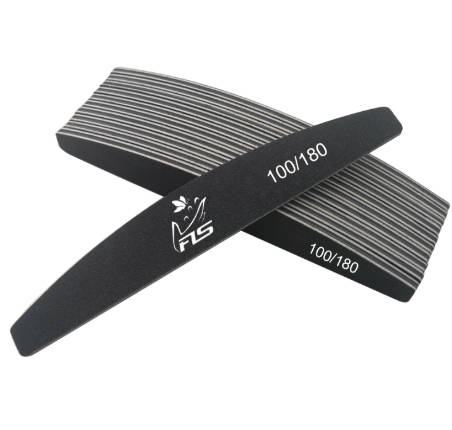
A nail file and a nail buffer block are both key items in nail care. However, their roles vary a lot. A nail file works to form and cut nails by taking away length and even out the edges. It keeps the shape you want for your nails, like square, almond, or oval styles. Meanwhile, a nail buffer block shines the nail top to make a sleek, bright look without any polish.
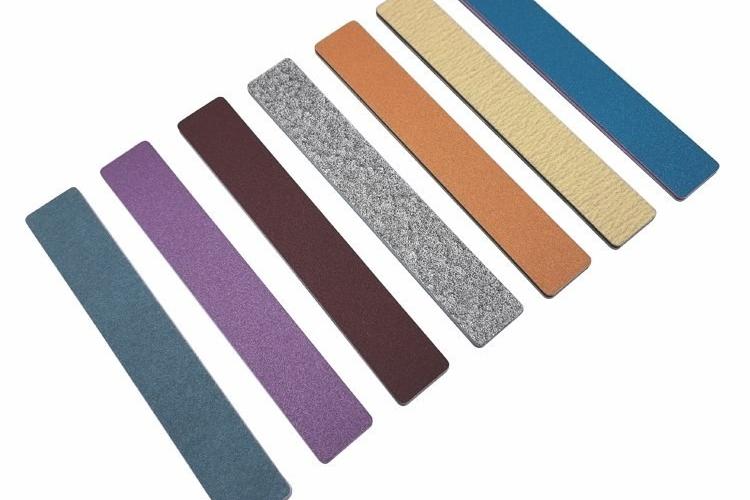
The stuff used in these items also differs. Files usually come from emery boards, glass, or metal parts that rub down nail sides accurately. Buffers often use multi-grit foam pieces built for soft shining. It has several grit levels good for expert work. The feel between the two items sets their power—files are rough for forming, and buffers are smooth for glowing.
How Each Tool Affects Nail Health
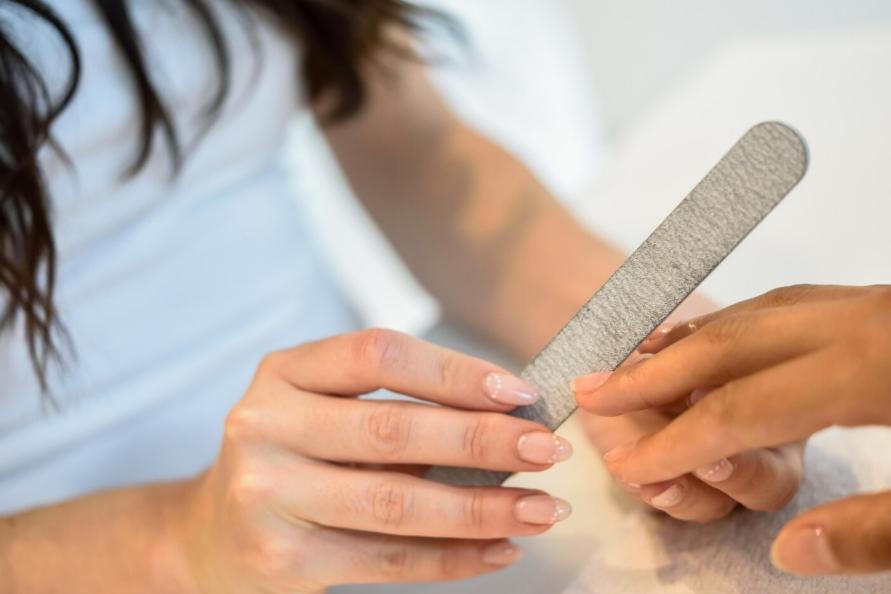
Both items can change nail health based on usage. Too much filing might make nails weak and lead to cracks or flaking. This happens because it takes away too much keratin from the side. Buffing too often could make the nail layer thin, which causes weakness and breaks. Proper use of both items helps to strengthen nails. It keeps the build while boosting looks.
To get the best outcomes, pick goods with the right grit levels for your wants. Users can pick rougher feels for forming and smoother ones for last touches.
When Should You Use a Nail File or a Nail Buffer Block?
Choosing the Right Tool for Your Nail Goals
Picking between a file and a buffer relies on your exact aims. Use a nail file when you must re-form or shorten your nails well. It fits best after cutting or when fixing uneven sides. Grab a buffer block when you aim to even out bumps or boost glow in a natural way—mainly if you like plain nails but want a neat style.
Before you pick which tool to use first, check your nail state. If your nails are fragile or flaking, skip hard filing. Instead, go for mild buffing.
How Often Should You Use a Nail Buffer Block?
Buffing once every two weeks is safe for natural nails. This timing stops over-thinning and keeps the glow. Often buffing can strip away guard layers of keratin that hold nails firm. After every time, always put on nourishing cuticle oil. It brings back water balance and stops dryness.
If you seek the top nail buffer for natural nails, select one that mixes lasting strength with mildness—like Felice beauty’s multi-grit sponge buffers. They stand out for their kind yet strong action.
Techniques for Using a Nail File and Buffer Block Correctly
Step-by-Step Guide to Filing Nails Safely
Preparing Your Nails Before Filing
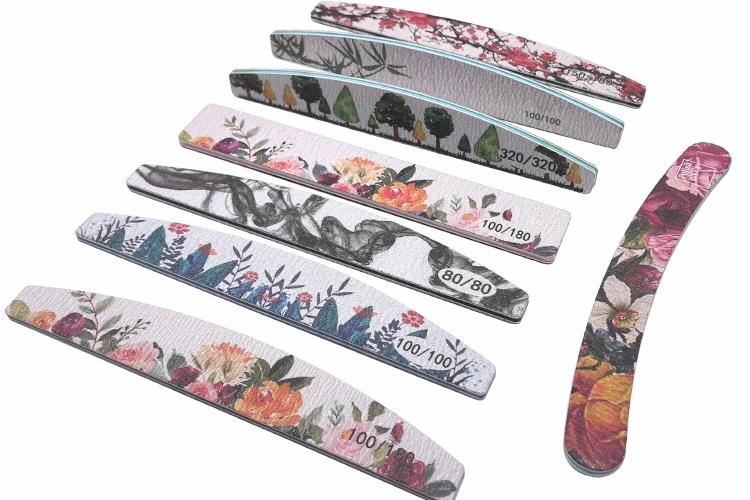
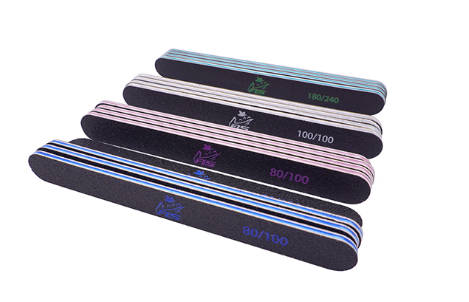
Begin by washing and drying your nails fully. This removes any dirt or oils that might change hold during filing. Pick a fitting grit level based on your nail thickness. Rougher grits (80–100) fit fake nails. Medium ones (150–180) suit natural nails best.
Filing Technique for Smooth Edges
File in one way, not back and forth like sawing. This avoids cracks. Keep steady push along each move until you get your wanted shape. Square sides give power, while curved ends cut snag chances.
How to Use a Nail Buffer Block Like a Professional
The Proper Sequence of Buffing Surfaces
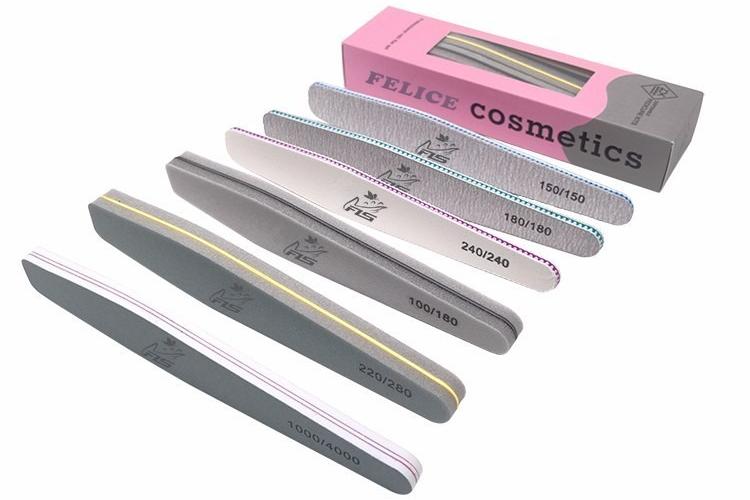
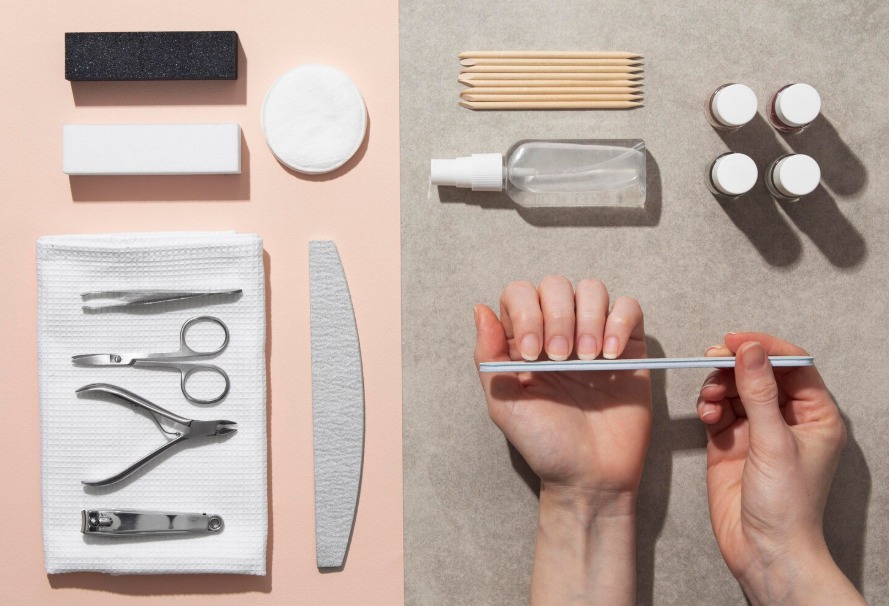
Most buffer blocks have several sides with different grit levels. Begin with the roughest side to ease out bumps softly. Then shift step by step to smoother sides. They improve feel and add shine bit by bit.
Tips for Achieving a Natural Shine Without Damage
Use light pressure throughout buffing. Too much force might thin the layer without need. End by putting on cuticle oil or strength serum. This step locks water into fresh even tops.
For shop-like results at home, think about Felice beauty’s high elastic sponge four-way blocks. They rank among the top nail buffer choices. They aim to guard natural nails while giving expert shine.
Felice Beauty’s Approach to Professional Nail Care Tools
Why Choose Felice Beauty’s Nail Buffer Blocks and Files?
At Felice beauty, we feel proud to give custom-made tools from shop-level staff. These boost safety and work in manicures or pedicures. Our line holds all from fine emery boards to multi-grit foam buffers. Take our Hot sale factory price small size mini nail buffer block—support customization. It uses “high elastic sponge + EVA + emery” makeup. This ensures bend during shine times.
We give full-shop fixes where buyers can get all manicure needs—from gel polish kits to foot care items like foot files and foot rasps. All come under tight quality checks at our site.
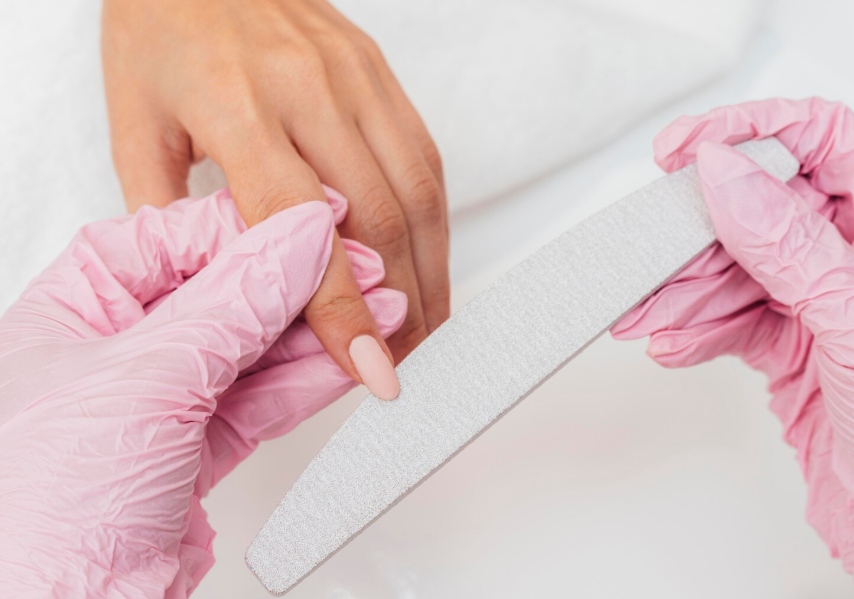
How Felice Beauty Promotes Healthier Nails at Home and in Salons
Our goods fit the body shape for easy hold, whether for work or home use. Each tool faces strict tests before be making okay. We think strong nails start with safe gear. By mixing new ideas with careful get ways, we aid users to reach shop-level ends safely at home. We use our best nail buffer range fit just for natural nails.
FAQ
Q: Can I Replace My Nail File with a Buffer Block?
A: No, each tool serves different purposes—files shape edges while buffers refine surface texture and add shine.
Q: How Do I Clean My Nail Buffer Block Properly?
A: Use mild soap with warm water after each use. Allow it to air dry completely before storing in a clean area away from moisture buildup.
Q: Which Is Better for Weak Nails: Filing or Buffing?
A: For weak nails, gentle filing is safer than frequent buffing since excessive polishing may further thin fragile plates.