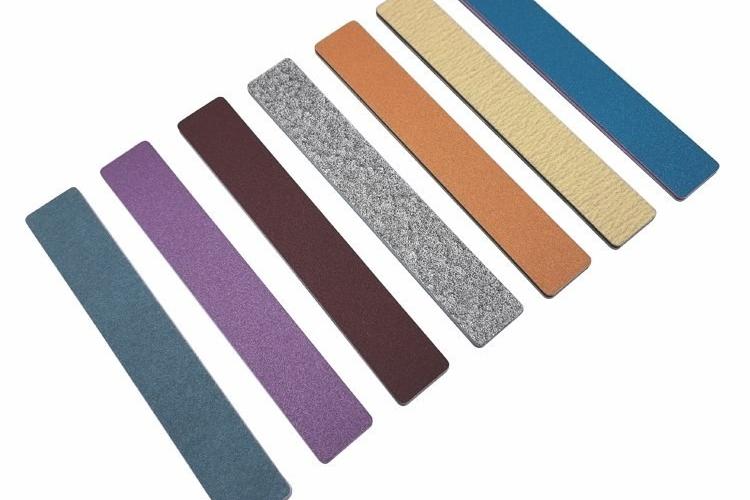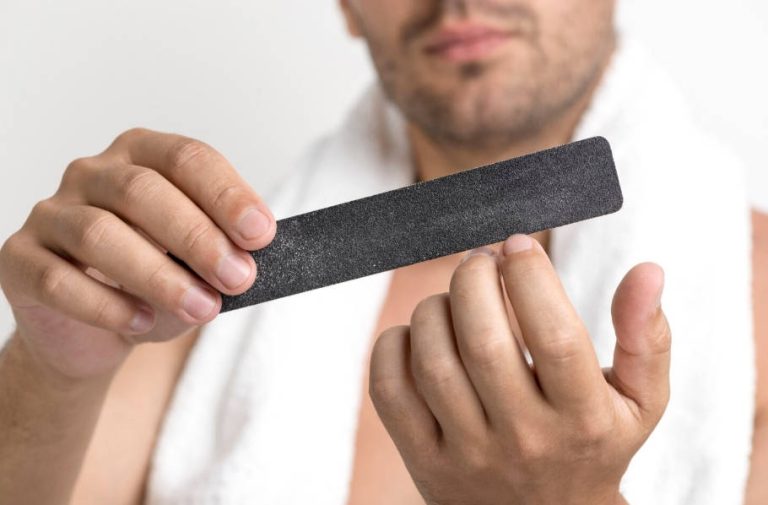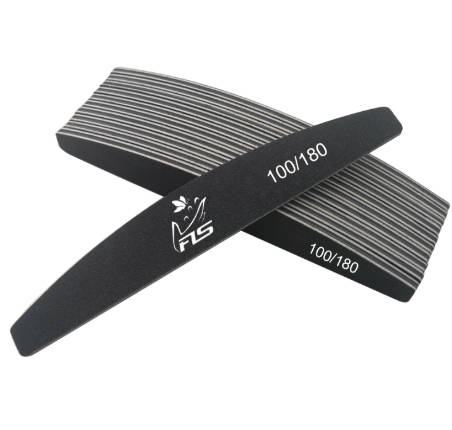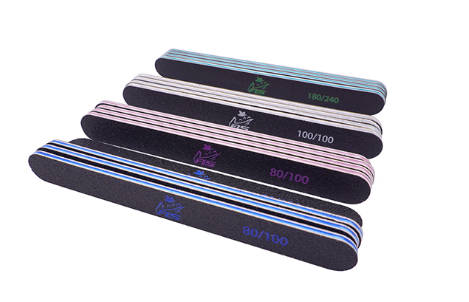
A nail buffer is a must-have for smooth, shiny nails at home. Wondering, What does a nail buffer look like? This guide covers its purpose, look, feel, and how to pick a good one. Whether you’re into nail care or a pro nail tech, learning about buffers can make your manicures better.
Why Use a Nail Buffer?
What It Does
A nail buffer smooths out your nails, gets rid of bumps, and gives them a nice shine without polish. It gets nails ready for stuff like gel polish or acrylics by making them even. Plus, it makes nails look healthy and neat.
How It Helps Your Nails
Buffing lightly cleans up the nail’s top layer. This can improve blood flow under the nail, helping them grow stronger. Doing it regularly stops nails from peeling or breaking. But don’t overdo it—too much buffing can make nails thin.
Types of Nail Buffers
Block-Style Buffers
Block buffers are super popular because they’re easy to hold and do a lot. They’re usually square or rectangular with different sides for filing, smoothing, or shining. For example, the “High elastic sponge 4-way nail buffer block with custom logo” has four sides for step-by-step buffing. Another great pick is the “Good quality extra coarse strong 3-way nail buffer block” for pro-level work with rougher sides.
Board-Style Buffers
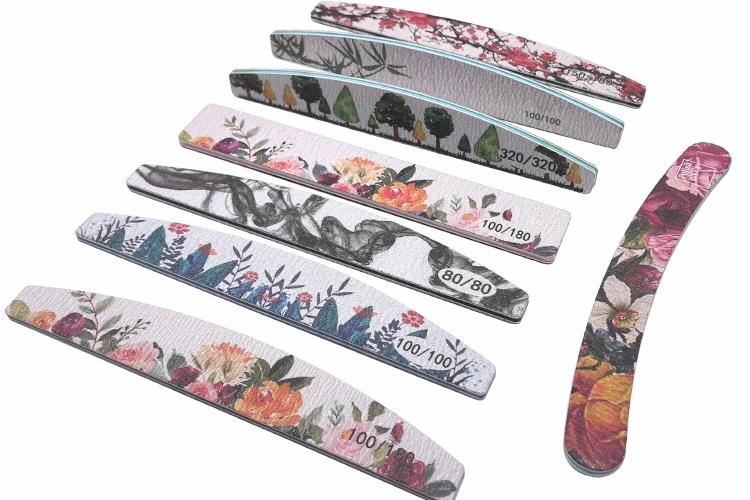
Board buffers look like regular nail files but are thicker with a soft, spongy layer for flexibility. They’re awesome for detailed work near cuticles or nail edges. Felice’s “Beautiful printed sponge nail file buffer with custom logo” is both useful and pretty.
Textures and Grit Levels
What Grit Means
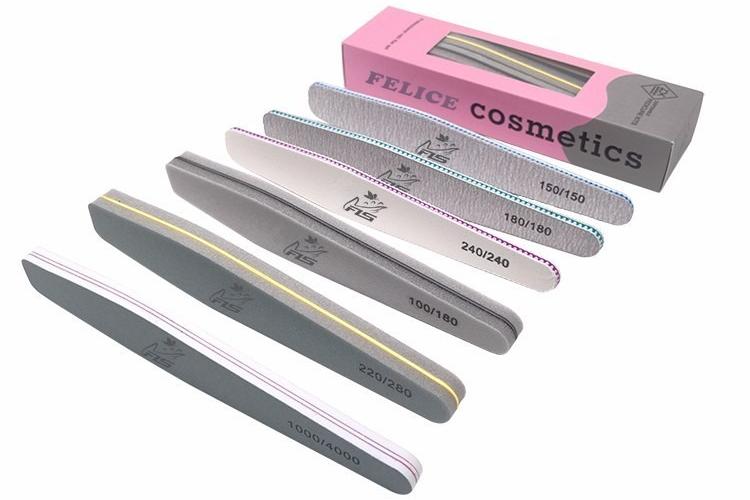
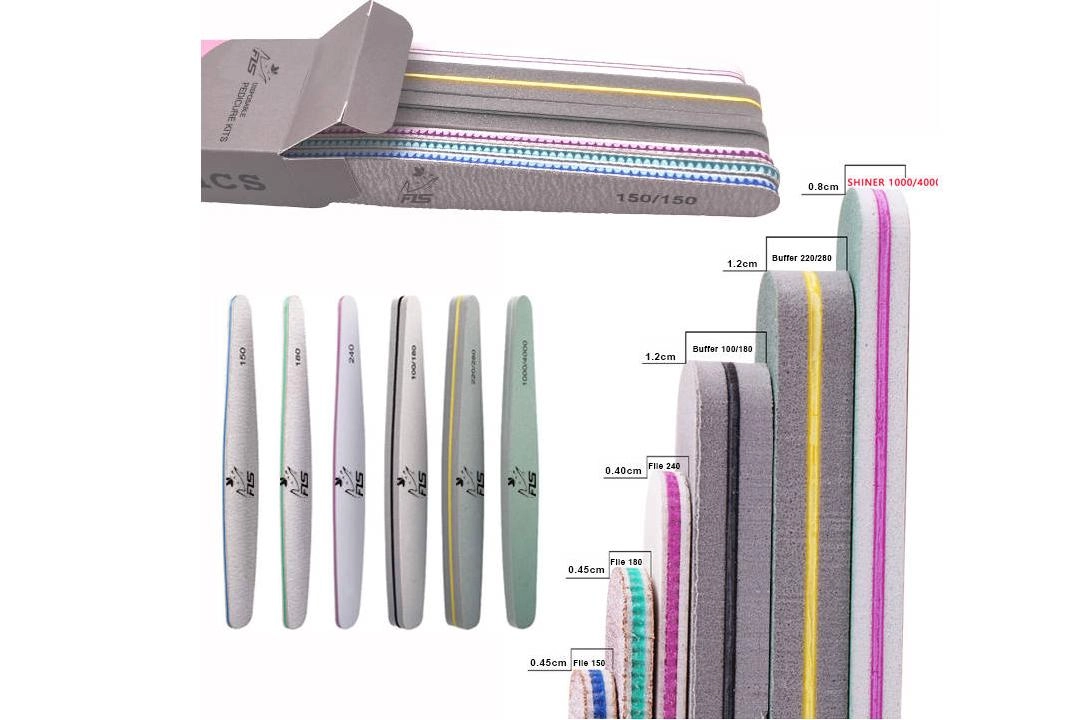
Grit is about how rough or smooth the buffer feels. Low grit numbers, like 80, are rough and great for shaping or removing polish layers. Higher grits, like 240, are smoother for polishing or finishing. Felice’s “Hot sale factory price small mini nail buffer block—Support customization” comes in grits like 80, 100, 180, and 240 for all your buffing needs.
Buffers with Different Sides
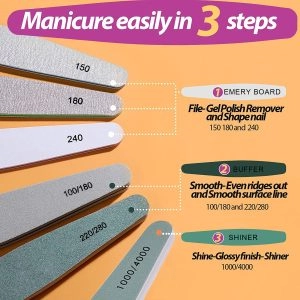
Lots of buffers have multiple sides with different textures, labeled for things like “File,” “Smooth,” “Buff,” or “Shine.” Take Felice’s “Custom printed 4-sided nail buffer block.” It puts all four steps in one handy tool, making manicures quick and easy.
What Nail Buffers Look Like
Colors and Labels for Easy Use
Buffers often use colors to show what each side does. Labels like “Step 1: File” or “Step 4: Shine” help beginners figure it out fast. Felice’s “2-way small mini nail buffer block” is practical and looks cute, perfect for gifting.
Finishes: Glossy, Matte, or Grippy
The buffer’s finish depends on its job. Glossy ones are usually for polishing. Matte ones are rougher for filing. Grippy textures make them easier to hold. Felice’s “High elastic sponge+emery” design feels comfy and works well for any finish.
How to Use a Nail Buffer
Easy Steps to Buff Your Nails
Buffing your nails is super simple if you know the steps. Start with clean, dry nails. Grab a buffer, like Felice’s high elastic sponge 4-way nail buffer block with custom logo. Use the rough side (like 80 or 100 grit) to lightly smooth out bumps or shape nails. Go one way, not back and forth, so you don’t hurt your nails. Then, switch to a medium side (like 180 grit) to make things smoother. Finish with the softest side (like 240 grit) for a shiny look. Don’t push too hard. Stop if your nails feel warm or weird.
Tricks for Buffing the Right Way
Go easy to keep your nails happy. Buff only once or twice a month—more can be too much. Pick a buffer with clear labels, like Felice’s custom printed 4-sided nail buffer block, so you know what each side does. Wipe your buffer clean after using it to keep things sanitary. For quick fixes on the go, Felice’s 6*3 cm square mini nail buffer block is awesome and easy to toss in your bag. Skip buffing if your nails are weak or damaged—they need a break to heal.
Ready to level up your nail game with awesome, stylish tools? Felice has what you need. We make top-notch nail stuff like buffers, files, foot files, fake tips, metal tools, wraps, and decorations. You can get it all in one place at Felice.
Our products can be made just how you want. We offer samples to check quality before big orders. With low minimum orders and options for custom designs or logos, you can get exactly what you need.
Check out our top picks:
- High elastic sponge 4-way nail buffer block with custom logo
- Extra coarse strong mini black nail buffer block
- Beautiful printed sponge nail file buffer with custom logo
Picking Felice means picking a partner you can trust. Whether you’re stocking a salon or building your home nail kit, Felice brings quality you’ll love at prices that work.
FAQ
Q: What’s the best nail buffer brand for salon pros?
A: Pros often go for brands like Felice, OPI, or Tweezerman. Their buffers last long, have reliable textures, and handle tons of use. Felice is great for businesses, offering custom options, private labels, and low minimum orders—perfect for salons or suppliers.
Q: Are fancy nail buffers worth more than cheap ones?
A: Yep, pro-grade buffers are worth it. They last longer, work better, and won’t harm nails with uneven surfaces. Cheap ones are okay for home use now and then. But for salons, better buffers save time, give great results, and don’t need replacing as often.