Are Sandpaper Nail Files Safe for Natural Nails?
What Makes Sandpaper Nail Files Different from Other Nail Tools?
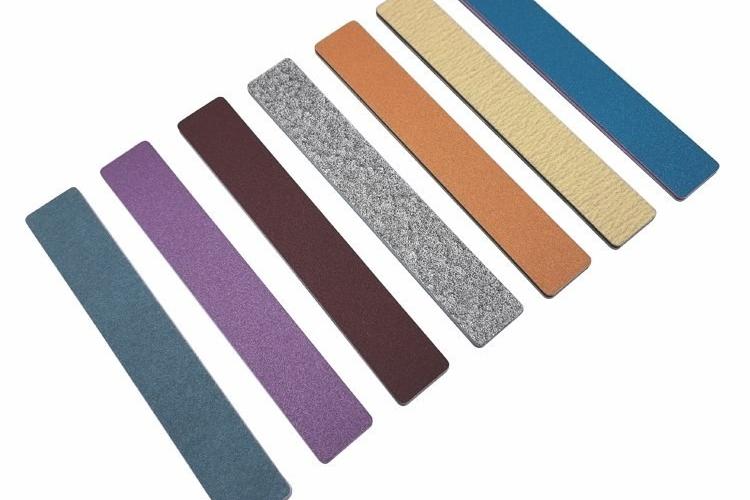
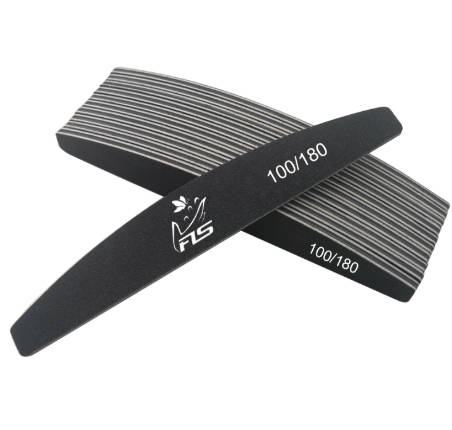
Sandpaper nail files rank as some of the most popular tools for shaping and smoothing nails. However, they stand out quite a bit from metal or glass files. These files feature rough surfaces with different levels of grit. And that grit level decides just how rough or soft the filing action will feel. The main difference between an emery board vs nail file shows up in their build. Emery boards usually consist of bendy cardboard covered in a sandpaper-style coating. Meanwhile, nail files might come from glass, metal, or soft bases. Knowing the difference between an emery board and a nail file lets people pick the right nail file for their needs.
The feel and bendiness of a sandpaper nail file make it kinder to natural nails than stiff metal ones. Sponge-backed types, in particular, add a soft padding that cuts down on force while you work.
How Can Grit Levels Affect Nail Health?
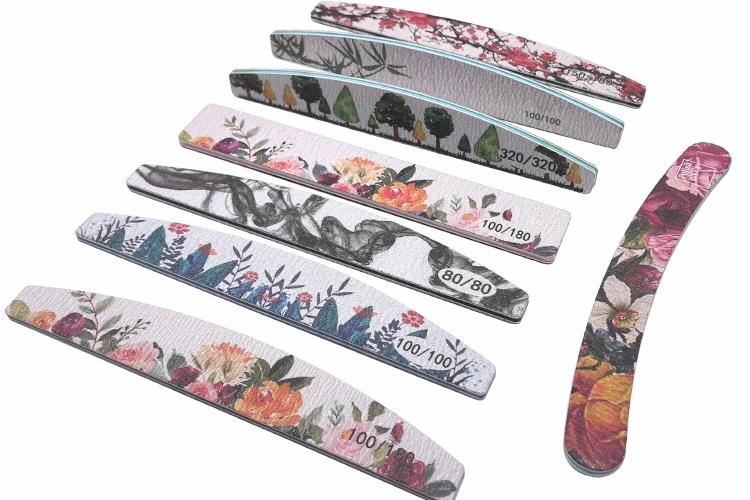
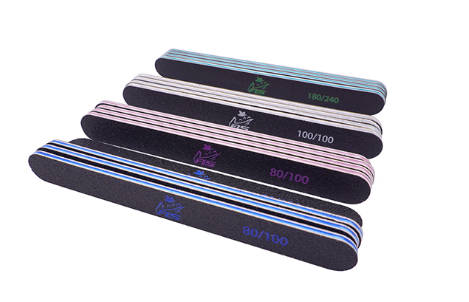
The grit number on a sandpaper nail file shows its roughness. Lower numbers, like 80–100, feel rough and take off bits fast. That works well for fake nails. But it might thin or crack real nails if you use it too much. Higher numbers, from 180–240 or more, stay smooth and suit edge polishing without harming the nail surface.
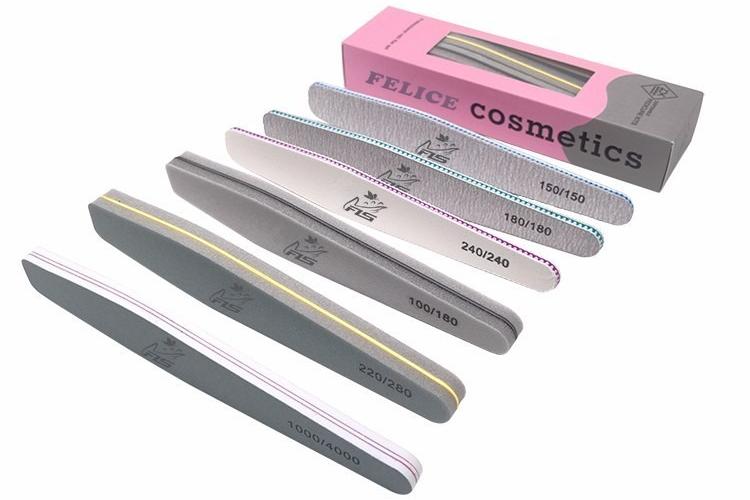
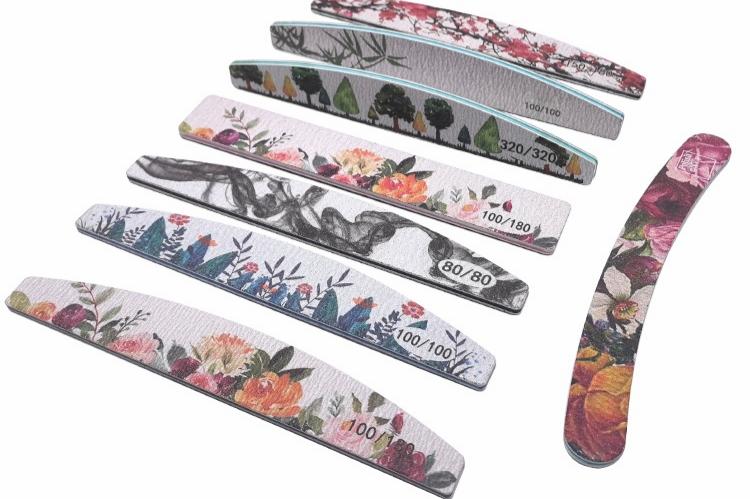
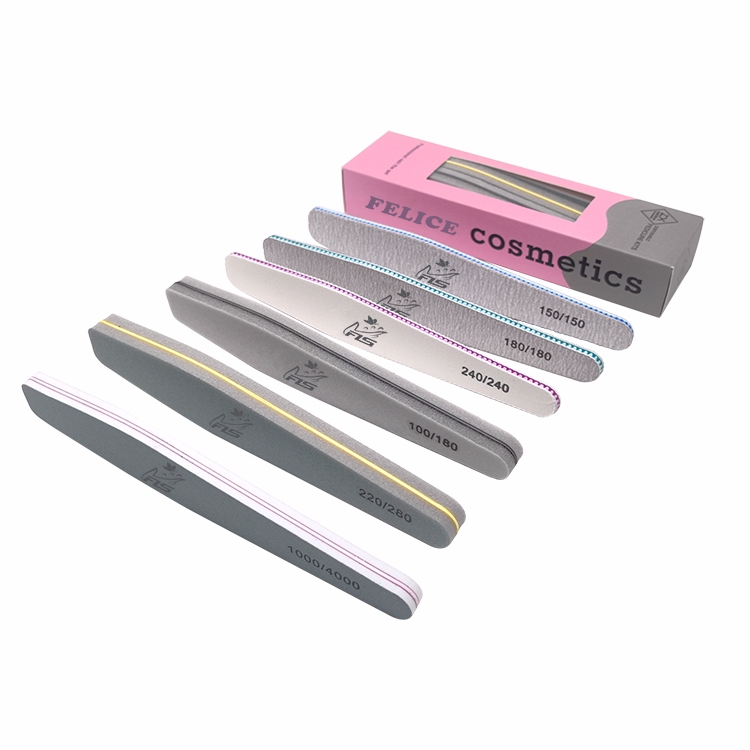
Picking the proper nail file grit matters a lot for keeping nails strong. A middle grit, around 180–220, hits a good mix. It shortens nails well without leaving them bumpy. Fine grits, over 240, fit great for final touches. For instance, the professional high-quality custom private logo white nail file and emery board has various grits. These include “80#, 100#, 120#, 150#, 180#, 240#, 320#.” So users can choose what fits their exact needs.
Going with the wrong grit might cause flaking or breaks. This happens especially if you push too hard. Thus, grasping how grit impacts nail health makes sure you always pick the best nail files for your natural nail state.
How to Use a Sandpaper Nail File Without Causing Damage
What Is the Correct Technique for Filing Natural Nails?
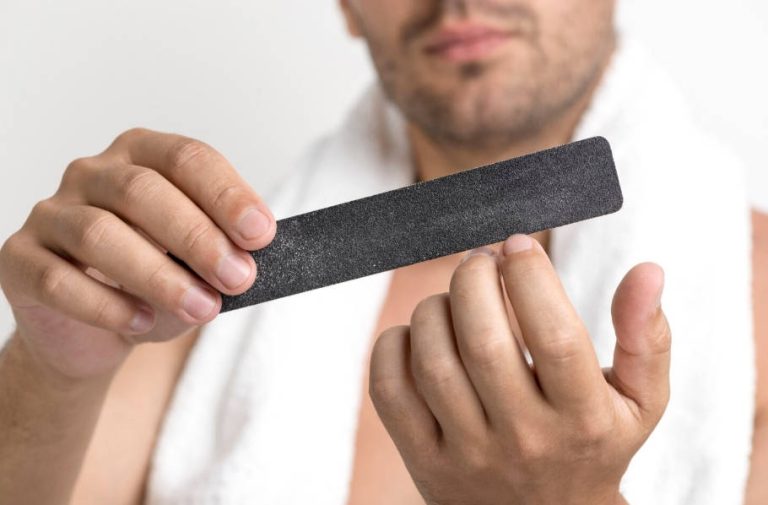
Good method matters a ton when handling any sort of sandpaper nail file. Always stroke in a single direction. Do not go back and forth like sawing. That avoids tiny rips on the free edge. Such rips can split nails later. Hold the file at a small tilt. Follow the natural bend of your nails. And steer clear of pushing too firmly. Too much rubbing creates warmth that softens the keratin parts.
When you compare a nail buffer vs. a nail file, keep in mind that buffers even out surface bumps. Files, on the other hand, form length and sides. After shaping with a smooth-grit file, add a buffer block next. This step gives even sides without filing too much.
Common Mistakes to Avoid When Using Sandpaper Nail Files
A few errors can hurt your natural nails:
- Filing wet nails makes them more likely to rip.
- Using rough grits (under 180) on soft or slim nails raises the chance of snaps.
- Skipping cleaning between sessions can spark germ buildup.
Plus, not swapping out old files counts as another usual problem. A worn surface might catch instead of even out edges. That leads to harm as time goes on.
How Often Should You Replace a Sandpaper Nail File?
How often you swap a sandpaper nail file hinges on how much you use it and any clear signs of wear. For home use, changing every couple of weeks often works fine. But pros need to switch through the throwaway files after each customer for clean reasons.
A blunt sandpaper side not only slows things down but also risks bumpy shaping. Steady swaps keep results even. They also hold safety rules during nail care tasks.
Choosing the Right Grit Level for Your Natural Nails
Which Grit Works Best for Different Nail Types?
Fine Grit (240 and above) – For Smoothing and Finishing
Fine-grit files suit gentle jobs. These include sealing sides after cutting or fine-tuning the shape before polishing. They stop flaking by softly closing keratin layers on the edge.
Medium Grit (180–220) – For Regular Maintenance
Medium-grit files offer a solid mix between keeping strength and guiding shape. Experts suggest them for everyday care. They shorten natural nails safely. And they avoid leaving things rough.
Coarse Grit (100–150) – For Artificial Enhancements Only
Rough grits belong only to acrylics or gels. They strip material swiftly. Using them too much on plain nails causes thinning or snapping from heavy rubbing.
Seeing these differences aids in figuring out what makes the best nail file material. It depends on whether you deal with natural or added-on nails.
Professional Tips for Healthy Filing Habits at Home
How Can You Protect Your Nails During Routine Filing?
To keep nails healthy while filing:
- Put on cuticle oil before and after shaping.
- Make sure nails are free of polish bits before you begin.
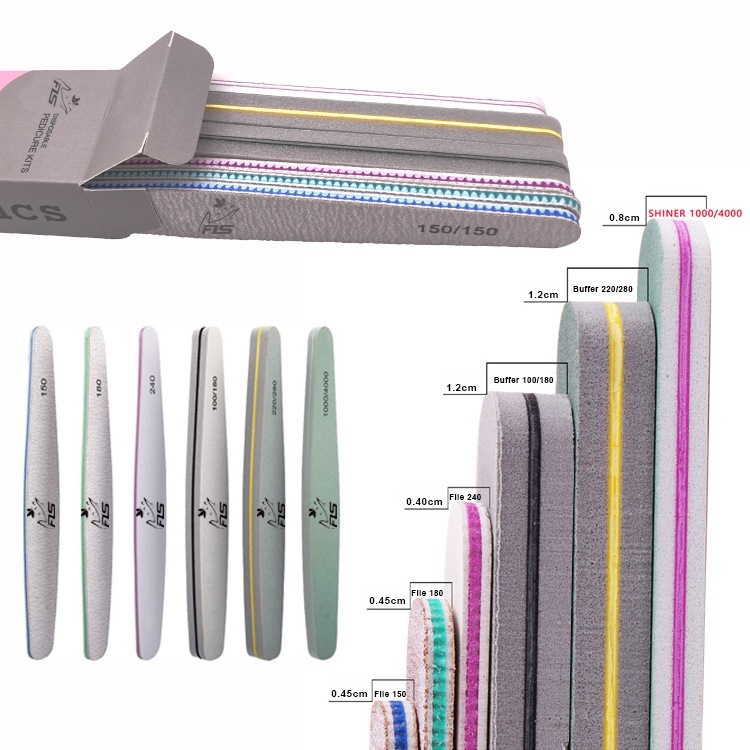
- Finish with a fine-grit buffer block to even out any leftover bumps from filing.
Items like the Beautiful printing sponge nail file buffer with custom logo work great for ends. It’s noted as “professional salon using, durable, washable.” This gives top finishing while cutting the risk.
Should You File Before or After Soaking Your Nails?
You should always file dry nails. Soaking makes keratin layers soft. That leaves them open to rips during filing moves. Dry filing holds the nail’s build. It leads to smoother outcomes with lower damage odds.
Felice Beauty’s Approach to Safe Nail Care Solutions
Why Choose Felice Beauty’s Sandpaper Nail Files?
At Felice beauty, we focus on making pro-level sandpaper nail files. We tailor them just for safe care of natural nails. Our items have even grit sides that cut down on rubbing. This fits both spas and home folks who want dependable work.
How Felice Beauty Promotes Long-Term Nail Health
We stress soft filing ways mixed with moisture steps. These include steady cuticle oil use after nail work. We also provide learning aids to guide people on selecting the appropriate grits for their nail condition. This helps them grasp details like emery board vs nail file differences better.
Our green method covers reusable builds from earth-friendly parts. It backs lasting beauty ways. And it lessens trash in spas worldwide.
FAQ
Q: Are sandpaper nail files reusable or disposable?
A: Most sandpaper files count as semi-throwaway. Light home users can reuse them a few times. Pros, however, swap them after each client for clean purposes.
Q: What grit should I use if my nails are weak or peeling?
A: Go for fine grits over 240. They smooth softly without pulling off guard layers from weak spots. This keeps safer care habits overall.
Q: Can sandpaper nail files be sanitized safely?
A: Yes, but only if makers mark them as washable. If not, swap them often. This stops germ spread well. It holds clean rules over many uses.