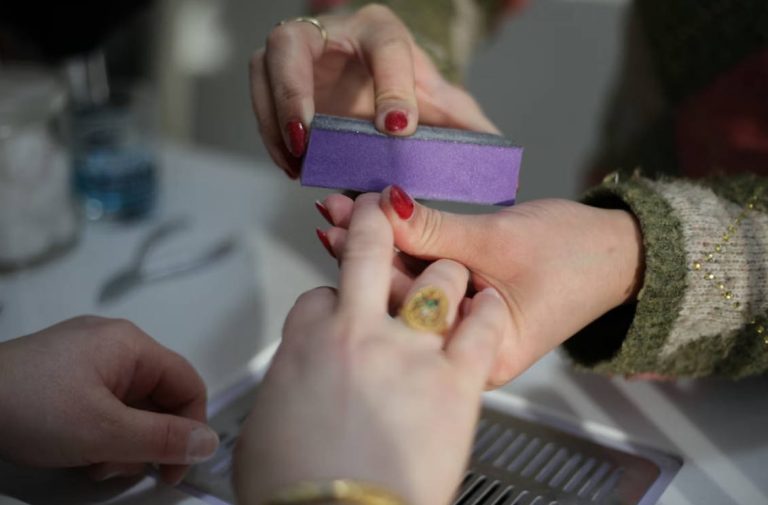
Choosing a nail file material is a specification decision, not a cosmetic detail. Salon buyers, distributors and beauty brands need to understand the abrasive surface, supporting core, cushioning layer and finish before approving a product. This guide explains how those layers work together, where each construction fits, and which checks make a material brief useful for production.
What Does File Construction Actually Include?
How Do Abrasive, Core and Backing Work Together?
The abrasive is the working surface that contacts the nail. The core gives the file its shape and resistance to bending. A backing or cushioning layer can change how pressure is transferred during filing. For example, a firm board creates a stable platform, while EVA or sponge can add flexibility and comfort. A clear material brief names each layer separately instead of calling the whole product simply “sandpaper” or “emery.”
Why Should Buyers Separate Surface and Support Materials?
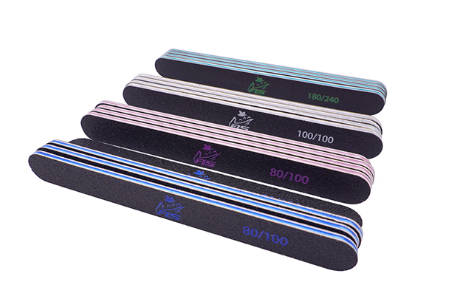
Two files can use a similar abrasive but feel different because their cores, adhesives, coating density and edges are different. Separating the layers helps a buyer compare samples fairly and helps a supplier repeat the approved construction. It also supports better packaging decisions: a thin board, a cushioned buffer and a rigid file may need different protection in a retail kit or salon shipment.
How Do Abrasive Surfaces Change Filing Feel?
What Is the Difference Between Sandpaper and Emery Surfaces?
Sandpaper describes a coated abrasive format, usually fixed to a board, EVA layer or foam. An emery surface uses emery abrasive and is commonly discussed in connection with emery boards. In commercial language, the terms may overlap, but the coating, backing and finishing still need confirmation. The best nail file material is therefore the material that fits the intended service, not the one with the most familiar name.
How Should Buyers Compare Rigid Glass or Metal Surfaces?
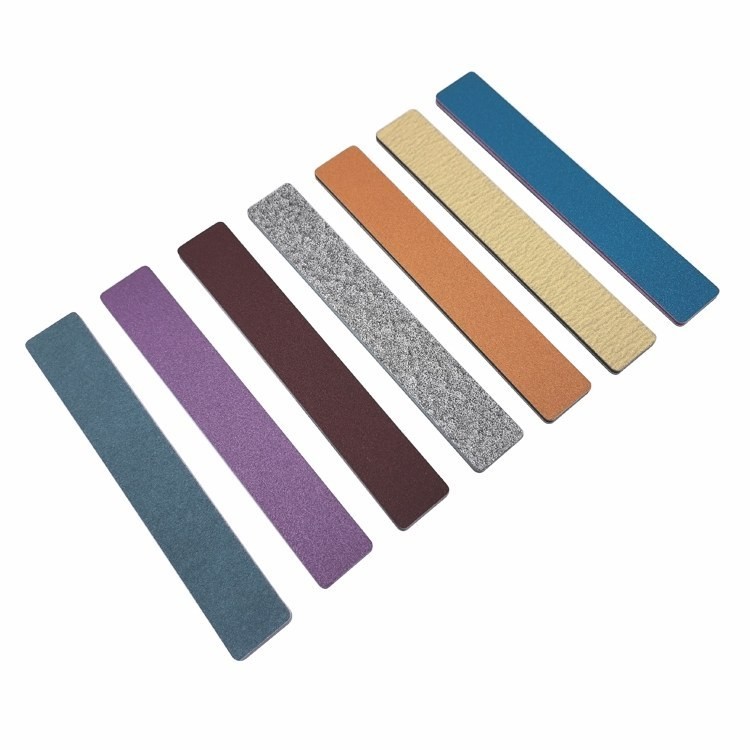
Rigid glass and metal surfaces should be compared by filing feel, cleaning routine, edge finishing, packaging and target customer. A glass surface may be selected for a smooth, consistent contact experience, while metal offers a firm tool for buyers who prefer a rigid format. Neither is automatically best for every nail type. Physical samples should be tested because surface texture and edge treatment can vary between constructions.
What Do Cores and Foam Backings Do?
When Is a Plastic Board or EVA Core Useful?
A plastic board can give a sandpaper or emery file a stable shape and a predictable working area. EVA can add a light cushioning layer between the core and abrasive sheet. The choice affects bending, grip, printing area and how the file sits in a package. Buyers should state whether the file is for natural-nail shaping, gel-service preparation, retail touch-ups or another workflow before choosing a core.
How Does Foam Change a Nail File’s Handling?
High-elastic sponge can make a file or buffer feel more forgiving under pressure. A foam-backed format may also support several sides or surfaces in one compact tool. That does not mean every foam file performs the same way: density, thickness, abrasive attachment and edge shape still matter. For personalized nail file materials, the foam specification should be linked to the target user and the service steps the product is expected to support.
Which Material Fits Each Application?
Which Material Works for Natural Nail Shaping?
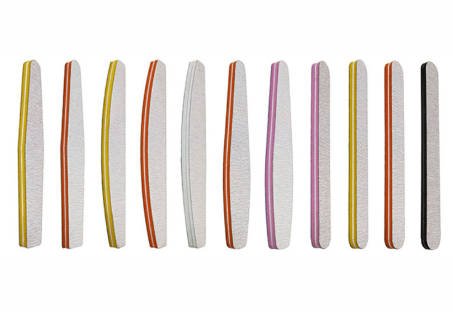
Natural-nail shaping usually calls for controlled abrasion, a comfortable edge and a surface that allows the user to work gradually. A buyer should assess the actual grit, pressure required and finish after filing rather than selecting a material from appearance alone. A thinner board may suit compact retail sets, while a cushioned format may be preferred when comfort and grip are central to the product experience.
Which Material Fits Gel, Retail or Buffer Workflows?
Gel and extension services may need a stronger shaping surface followed by a finer refining surface. Retail products often need clear side identification, durable printing and convenient packaging. Buffers may use foam and multiple surfaces because the workflow includes smoothing or polishing steps. The most suitable material depends on the complete service and the user’s technique, so one material should not be presented as a universal solution.
How Should Buyers Compare Surface Options?
Which Details Belong on a Material Specification Sheet?
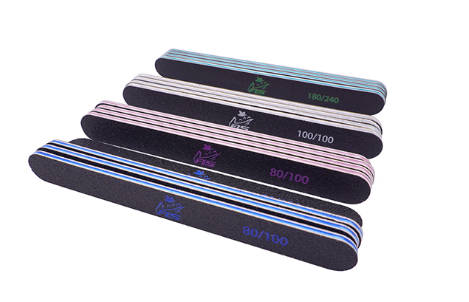
A useful sheet records the abrasive type, core, backing, grit or grit pairing, dimensions, shape, edge finish, color, printing, packaging and intended application. It should also identify whether the file is single-use, washable or intended for a particular service only when that claim is documented. If a buyer requests personalized nail file materials, the brief should list the requested material combination and the sample criteria used for approval.
How Should Samples Be Reviewed Before Approval?
Review the sample in the real workflow. Check grip, bending, edge comfort, abrasive consistency, dust, print clarity and package fit. Compare the physical result with the written specification, including the grit marking and surface arrangement. A pre-production sample is more reliable than a digital image for confirming touch and handling. Any change to the core, coating or adhesive should trigger a new review rather than an assumption that performance remains unchanged.
How Can Felice beauty Support Material Selection?
Which Felice beauty Formats Can Buyers Compare?
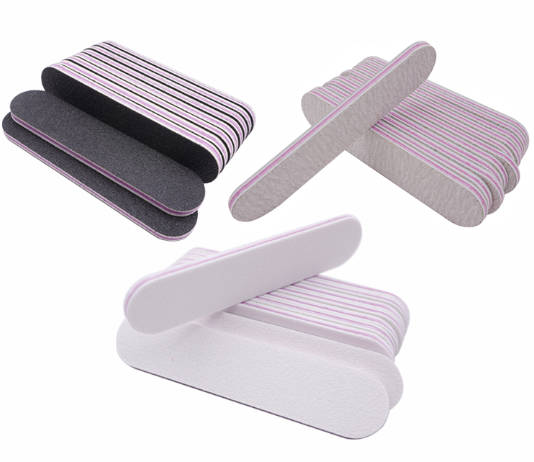
Felice beauty supports comparisons across documented nail files, emery boards, sponge-backed files and buffer formats. We can help buyers organize the choice around surface, core, grit, shape, color and packaging, then separate standard options from custom requirements. Our product records include plastic-board, EVA, sandpaper, emery and high-elastic sponge constructions for different nail-care programs.
How Can Personalized Nail File Materials Be Confirmed?
Felice beauty can turn a request for personalized nail file materials into a testable brief. We review the requested material layers, logo or print area, shape, size, color and packaging, then use a pre-production sample to confirm the agreed construction. Our role is to keep the specification measurable so purchasing, production and quality teams are reviewing the same product definition before bulk approval.
FAQ
Q: What is the best nail file material for natural nails?
A: There is no single best material for every user. Compare abrasive feel, grit, edge finish, backing, grip and intended service, then approve the choice with a physical sample.
Q: How should a buyer specify nail file material?
A: Name the abrasive, core, backing, grit, shape, dimensions, finish, printing and packaging. Also state the intended nail type and workflow.
Q: Can personalized nail file materials include different cores and surfaces?
A: Yes, a personalized brief can define a material combination, but the exact construction, artwork and packaging should be confirmed through documentation and a pre-production sample.