What Is a Nail Buffer Block and How Does It Work?
What a Nail Buffer Block Is and How It Works
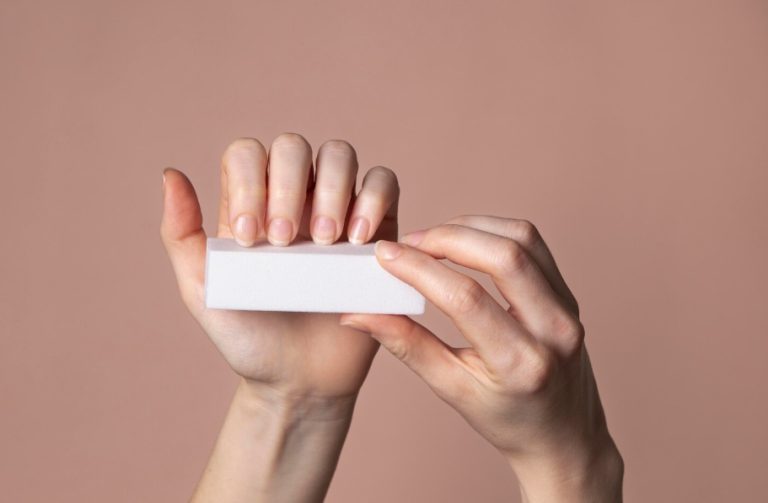
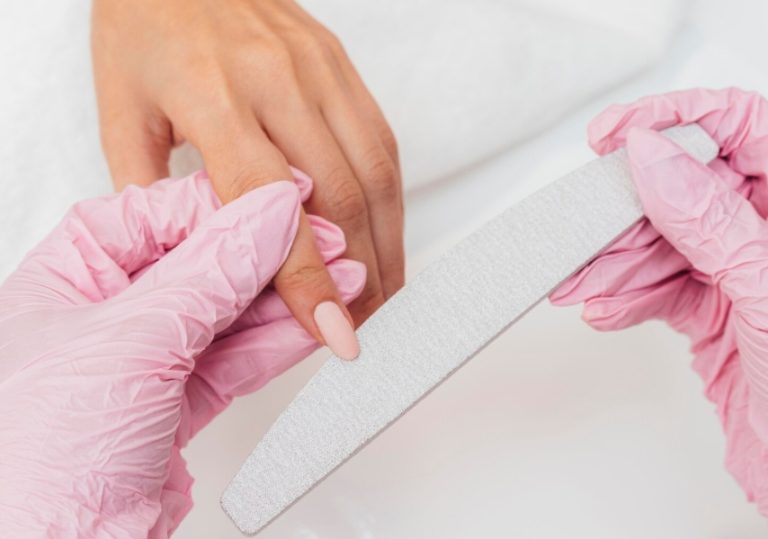
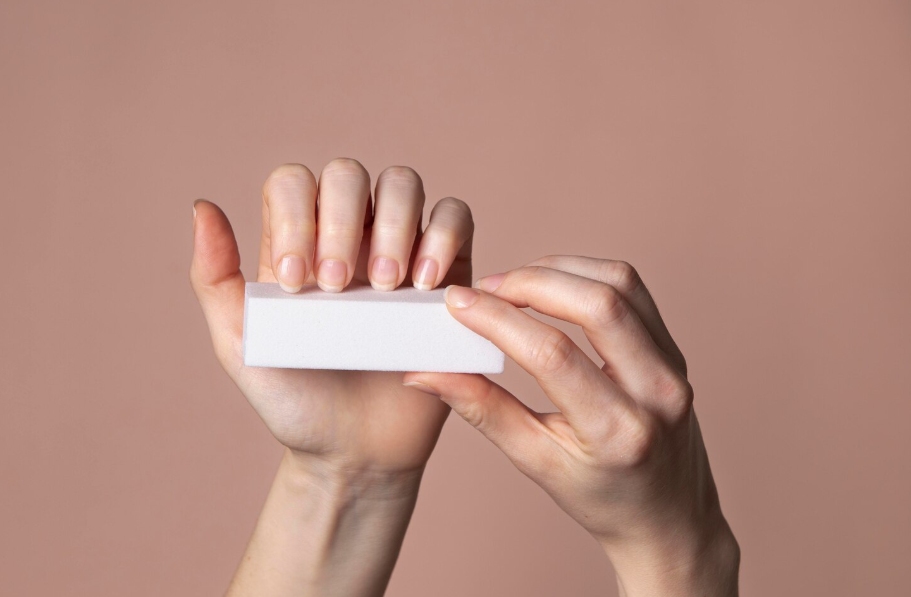
A nail buffer block serves as a versatile tool with several sides. It helps smooth, shape, and add shine to natural nails. Every side carries its own grit level. These levels go from rough to smooth. This setup lets people file the edges, clear away ridges, and form a sleek surface. A fine nail buffer works well for a glossy look without any nail polish. The buffer often uses a high-elastic sponge plus emery in its build. This mix gives good flexibility and control. It spreads pressure evenly while you work.
This build keeps the tool strong. It also delivers steady results each time. Regular use makes nails look better. It seals the surface and leaves a healthy glow.
The Benefits of Using a Nail Buffer Block
Buffing lifts the look of nails. It also supports better nail health overall. The process creates natural shine. It seals the top of the nail plate. Light then bounces off in a smooth way. Buffing takes away small flaws or rough spots. These flaws can make nails seem flat. Light buffing also boosts blood flow in the nail bed. That helps nails grow well. A nail buffer square gives an easy path to neat hands when you skip polish.
Determining How Often to Use a Nail Buffer Block
Factors That Influence Frequency of Use
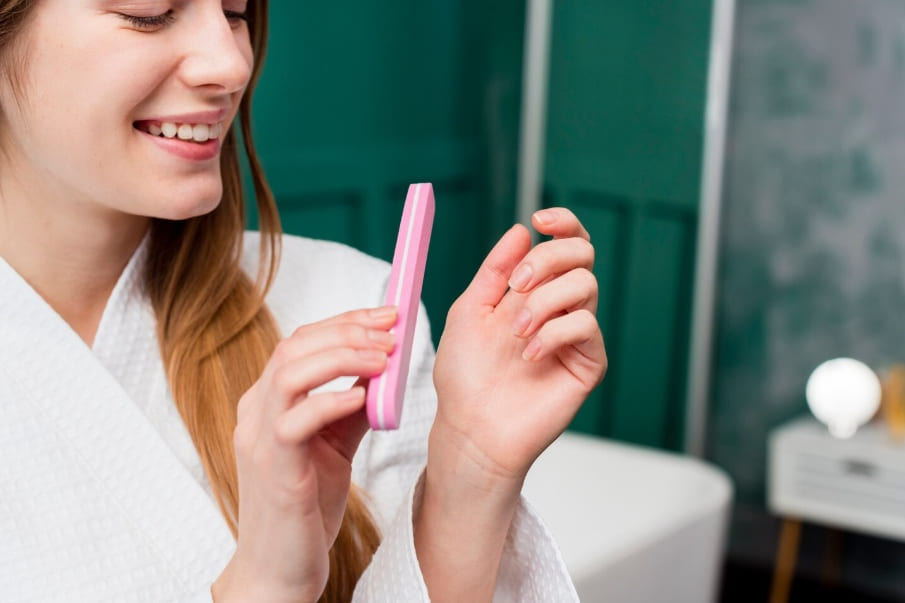
How often you buff depends on a few things. Nail type plays a big role. So do daily habits and the look you want. Weak or soft nails need fewer sessions to avoid thinning. Strong nails handle more regular care. People who deal with water or harsh cleaners often see rough spots. They may need light touch-ups now and then. If you want a very smooth finish from a fine nail buffer, you might buff a bit more often than someone who likes a matte result.
Recommended Usage Guidelines from Professionals
Experts suggest buffing once every two weeks for healthy nails. Too much buffing can thin the nail plate. It may cause sore spots or breaks. So keep it moderate. Check your nails first. If they look weak or start to peel, wait longer before the next session. Over-buffing also strips away some natural protection. That layer helps guard against moisture loss.
Professional Techniques for Safe and Effective Buffing
Preparing Nails Before Buffing
Start by washing the nails with mild soap or remover. This clears oils and bits that could affect even results. Make sure the nails are fully dry. Wet nails can tear or weaken during buffing. Trim and shape the edges so each nail has the same length before you polish.
Step-by-Step Buffing Process Recommended by Experts
Selecting the Right Side of the Buffer Block
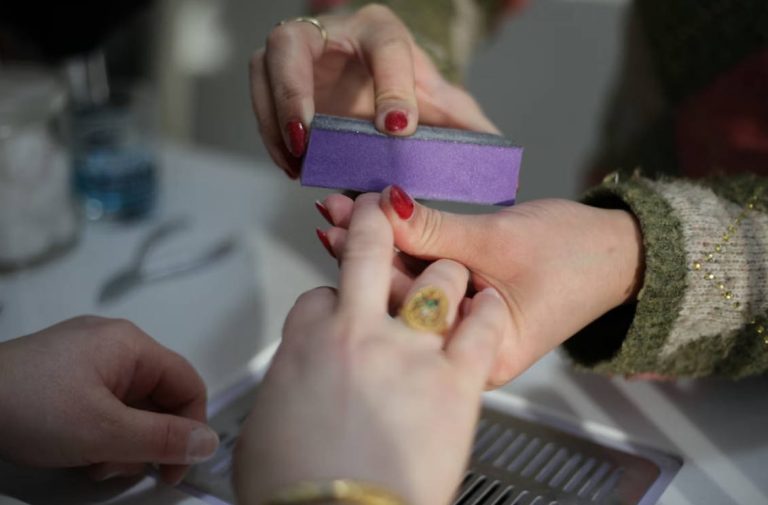
Pick the roughest side when you need to smooth ridges or bumps. Then move to the smoother sides for the final polish. Keep going until you reach the shine you want. A nail buffer that feels sharp and precise gives better control over pressure at each step.
Applying Proper Pressure During Buffing
Use light, steady strokes on every nail. Avoid pressing hard in one place. Heavy rubbing can create heat. That heat weakens the keratin inside the nails. Move in one direction only. Skip back-and-forth moves for cleaner results.
Finishing Touches After Buffing
Once all sides are done, rub in cuticle oil or a moisturizer. This replaces moisture lost during buffing. You can add a clear top coat if you want extra shield from daily wear.
Common Mistakes to Avoid When Using a Nail Buffer Block
Over-Buffing and Its Consequences
Many people buff too much. This thins the nail plate and leads to peeling or cracks later. The thin areas feel pain more easily when they touch water or cleaners.
Using Dirty or Worn-Out Tools
Old buffers can hold germs and cause infections. They also give uneven results because the surface has worn down. Swap out your disposable nail buffer every few months based on how often you use it. This keeps things clean.
Felice Beauty’s Approach to Healthy Nail Care Solutions
The Philosophy Behind Felice Beauty’s Nail Products
At Felice beauty, we focus on gentle care. We want to boost natural beauty with safe formulas. These work for both pros and home users. We offer one-stop shopping for gel polish, files, buffers, and pedicure tools.
We support long-term nail health. We also deliver salon-level results at fair prices around the world. OEM options come with small order amounts.
Highlights of Felice Beauty’s Nail Buffer Block Collection
Key Features and Benefits
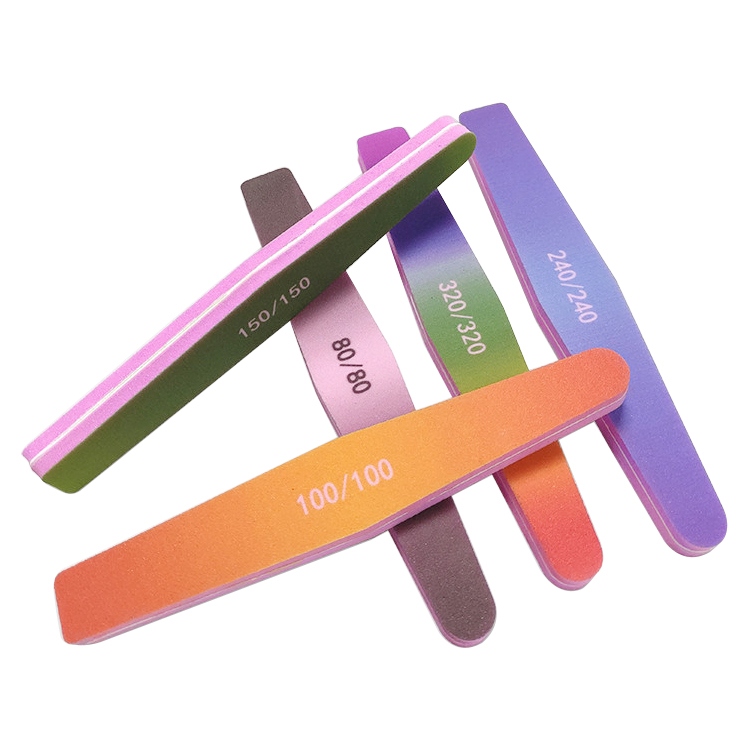
Our line holds several nail buffer types. You can choose 2-way mini buffers for quick fixes. Or pick 4-way professional-grade versions that handle full smoothing in one tool.
Each item uses designs that fit the hand well. This makes long sessions more comfortable and reduces strain on fingers or wrists. Users gain flexibility. They can pick small travel buffers or larger models made for busy salons.
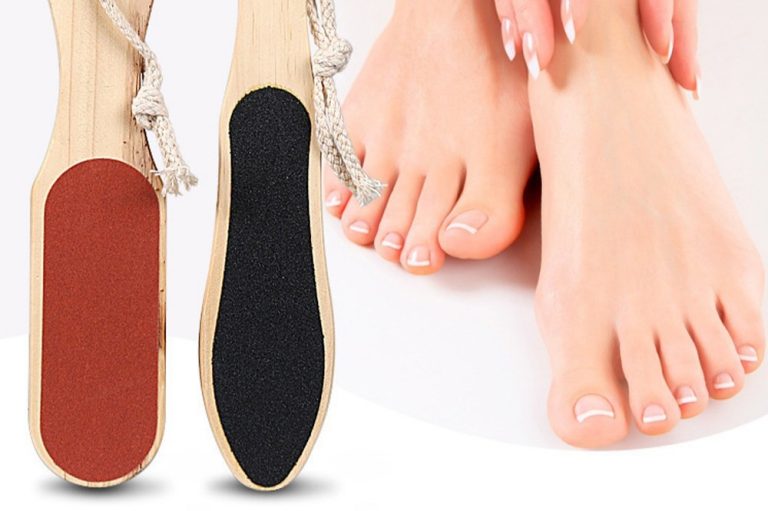
We also make matching tools like foot files. They remove dead skin without cutting too deep into callused spots. They improve texture when used in moderation. This makes them better than harsher choices like pumice stones in many cases. When people compare nano glass foot file vs pumice stone, our stainless-steel choices last longer and stay more hygienic. Salons around the world prefer them.
FAQ
Q: Can I use a nail buffer block on acrylic or gel nails?
A: Yes, but move gently and use only fine grit. This restores shine without harm to the top coat of the enhancements.
Q: What should I apply after using a buffer block?
A: Put on cuticle oil right away. Follow with hand cream if you like. This stops dryness from the friction of buffing.
Q: How do I know when it’s time to replace my buffer block?
A: Check the surface. When it feels worn or no longer smooths well, replace it. Most people change it every few months based on use in their fingernail buffer kit.
Q: What are different types of nail buffer available?
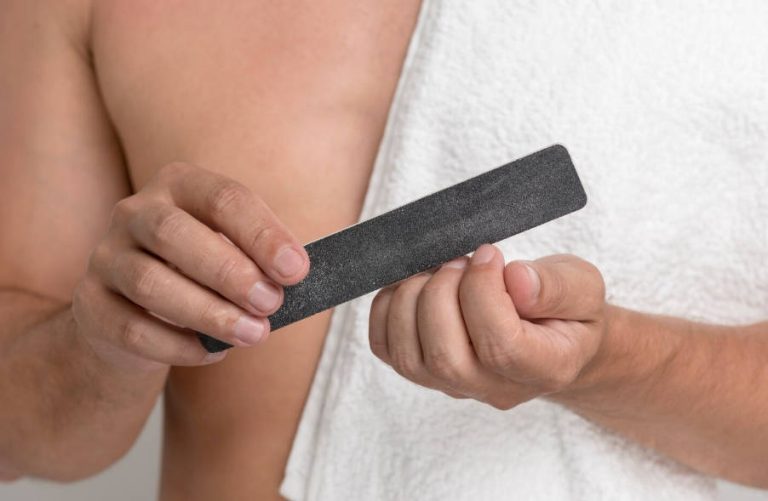
A: There are several options. Coarse-grit files shape the edges. Medium-grit ones clear ridges. Fine-grit polishers give a glossy finish. There are also specialized disposable versions for single-use hygiene. All these belong in professional nail buffers and files sets from Felice beauty.