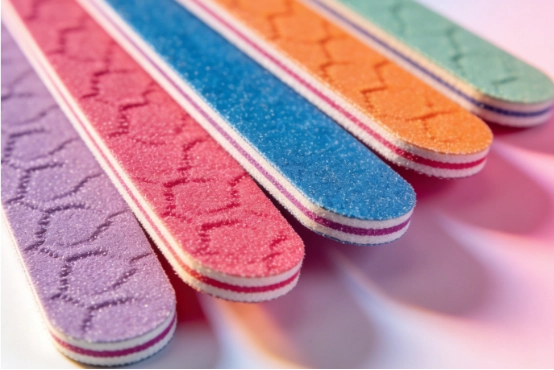
You’re standing in the nail supply aisle, staring at rows of sandpaper nail files, unsure whether the 100/180 grit zebra grey file or that sleek black emery board will get the job done faster—or just ruin your gel set. You’re not alone. Choosing the best sandpaper nail files for acrylic and gel nails can feel overwhelming without the right guidance.

This professional guide breaks down exactly what nail technicians use in their salons: the ideal grit ranges for acrylics and gels, shapes that speed up your work, and insider techniques that extend file life while delivering flawless finishes. Whether you’re a beginner or seasoned pro, mastering these tools will turn your 90-minute sets into 60-minute masterpieces—without sacrificing quality.
Understanding Grit Numbers on Sandpaper Nail Files
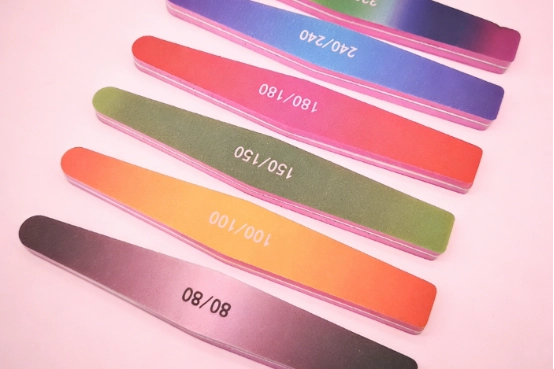
The foundation of choosing the right file lies in understanding grit numbers. Simply put: the lower the grit number, the coarser the file. The higher the number, the finer and smoother it becomes.
There are four core grit categories used by professionals:
- 80–100 grit: Extremely coarse. These are powerful enough to remove bulk from acrylic and hard gels quickly but should never touch natural nails.
- 100–150 grit: Coarse to medium. Great for shaping and refining artificial extensions.
- 180–240 grit: Medium-fine to fine. Ideal for smoothing surface imperfections and prepping overlays.
- 240+ grit: Ultra-fine. Used for final smoothing, edge refinement, and prepping before polish or gel application.
Using a coarse file like 80 or 100 on natural nails can cause serious damage. But on tough materials, these grits are not only safe but essential for shaping and reduction.
The Workhorse: 100/180 Grit Combo Files
Ask any professional and they’ll tell you—the 100/180 grit combo is non-negotiable on their station.
The 100 side is perfect for removing bulk from acrylic or hard gel, while the 180 side refines edges and shapes before sealing. This combination is so effective that “Professional high quality custom private logo zebra grey nail file and emery board” is one of Felice beauty’s top-selling formats because it balances aggressive shaping with smooth finishing.
Best shapes for this file include:
- Straight files: Efficient for length reduction.
- Half-moon (banana): Excellent for following nail contours.
- 7-inch long boards: Ideal for extended shapes like stiletto or ballerina.
When to use which side? Start with the 100 grit to reduce length or product thickness, then flip to the 180 side to refine edges and begin surface smoothing.
Pro shortcut tip: With correct pressure and angle (discussed below), a 100 grit straight file can take down extension length in less than a minute—without heat buildup or causing lifting.
The Perfect Refinement File: 150–180 Grit
After shaping with a coarse side, a 150 or 180 grit file becomes your refinement tool. They’re especially useful when sculpting popular shapes like coffin, almond, or square nails.
A 150 grit creates crisper lines—especially helpful when sharpening corners or tapering sidewalls. In contrast, a true 180 grit gives a smoother edge while still being aggressive enough on product like Felice beauty’s “Hard and strong, easy to apply, not easy to chip” builder base gels.
To avoid burning product while refining, always opt for high-quality files with durable adhesives. For instance, Felice beauty’s “Perfect zebra grey sandpaper sponge nail file for manicure” is known for maintaining grit sharpness longer, ensuring precision without friction damage.
Finishing & Smoothing: 240 Grit and Above
Even artificial enhancements need polish—literally. Finer grits like 240 and up are key for flawless finishes.
- Use 240-grit files to smooth out free edges and clean up sidewalls.
- For that glass-like finish on gel overlays or poly gel, 320–600 grit buffers are your best friends.
Skipping this step can leave micro-scratches that become visible under topcoat—especially problematic with high-gloss formulas like “Felice beauty High Quality Matte Tempered Top Coat Ultra Shine No Scratches Anti-stain No Wipe Rubber Top Coat UV GEL Polish”. Always finish with a high-grit buffer before applying topcoat to avoid matte spots or cloudiness.
The Best File Shapes for Acrylic & Gel Work
Shape affects both speed and precision:
- Straight files are ideal for fast length reduction and crisp perimeter shaping.
- Half-moon (banana) files excel at contouring around cuticles and under sidewalls.
- Slim/tapered files let you build apexes and refine narrow spaces like lower arches.
For popular shapes:
- Coffin & square: Straight files with sharp corners save time.
- Stiletto & almond: Half-moon shapes fit the curves better for cleaner lines.
Felice beauty offers “Beautiful printing sponge nail file buffer with custom logo” options in these ergonomic shapes for nail file services, allowing techs to choose based on comfort and efficiency.
Washable vs. Disposable Sandpaper Files
There’s a lot of debate over reusable versus single-use files—but here’s what matters:
“Professional salon using, Durable, Washable” files from Felice beauty can be sanitized between clients safely when made from waterproof materials. These are ideal if you’re working with regular clients and want cost efficiency.
However, in high-volume salons or mobile setups, disposable packs offer hygiene assurance with less worry about cross-contamination. Felice beauty provides “Low MOQ for Custom logo; Factory price” on both washable and disposable models—helping you balance cost with client safety.
How to Choose Files That Actually Last
Not all nail files are created equal. Look for:
- Consistent grit texture across the surface
- Strong adhesive bonding (so sandpaper doesn’t peel mid-set)
- Flexible but firm cores like EVA foam or plastic
Avoid files that clog quickly—especially when filing hard gels or builder bases. Felice beauty’s “Professional high quality custom private logo white nail file and emery board” maintains its grit integrity across multiple uses thanks to superior Japanese sandpaper quality.
Paying slightly more upfront saves money long-term by reducing replacements per set—and ensures performance stays sharp even after dozens of services.
Pro Techniques to Make Any File Work Faster & Last Longer
Technique matters as much as tools. Here’s how to get the most out of your files:
- Use light, consistent pressure at a 45° angle instead of sawing back and forth.
- One-directional filing prevents heat buildup and minimizes stress on enhancements.
- To revive a dull file, rub it against a clean nail brush or use a quick-blast air duster to remove debris trapped in grit.
- Store files in dry containers between uses—moisture softens sandpaper glue.
These habits keep your tools efficient longer—and help achieve pro-level results every time.
Your Perfect Sandpaper File Kit for Acrylic & Gel Nails
Here’s the no-fail kit every nail technician should have:
- 100/180 grit half-moon zebra grey file
- 150 grit straight-edge black file
- 240 grit white fine-finishing file
- 320+ buffer block for surface prepping
- Slim tapered 180/240 combo for cuticle refinement
Felice beauty offers all these types—“All products can be designed and produced as customer request; pre-production sample is always available for quality check before bulk order.”
Quick checklist before buying:
✔ Grit number clearly labeled
✔ Durable construction
✔ Proper shape for task
✔ Washable if reusable
✔ Backed by brand trust—like Felice beauty

To master artificial nail work, understanding sandpaper files is non-negotiable. Use low grits (80–100) for bulk removal, mid grits (150–180) for shaping, and high grits (240+) for perfect finishes. Choose the right shape—straight for speed, half-moon for control—and invest in quality files like those from Felice beauty that hold up set after set.
Choose Felice beauty, means you choose a professional and reliable partner. With the right kit on hand, every set becomes faster, smoother, and more flawless.
FAQ
Q: What is the best sandpaper nail file grit for shortening acrylic nails fast?
A: Go with a 100/180 combo sandpaper nail file. Pros love it. Flip to the 100 side when you need to chop length or thickness quickly on acrylic or hard gel. It won’t overheat or lift the product.
Q: Can I use a coarse sandpaper nail file on natural nails?
A: Don’t do it. An 80–100 grit sandpaper nail file is way too rough for real nails. It will tear them up badly. Save those coarse sandpaper nail files just for acrylic, hard gel, builder gel, or poly gel jobs.
Q: Which sandpaper nail file grit smooths gel nails perfectly before top coat?
A: Grab a 240-grit sandpaper nail file for the edges. Then hit the surface with a 320–600 grit buffer. That combo wipes out tiny scratches and gives you a super clean, shiny finish under top coat.
Q: 150 grit vs 180 grit sandpaper nail file – which is better for shaping coffin or almond nails?
A: A 150-grit sandpaper nail file cuts faster and makes crisp corners (great for coffin shapes). A 180-grit sandpaper nail file leaves softer, cleaner lines (perfect for almond or stiletto). Most nail techs keep both handy.