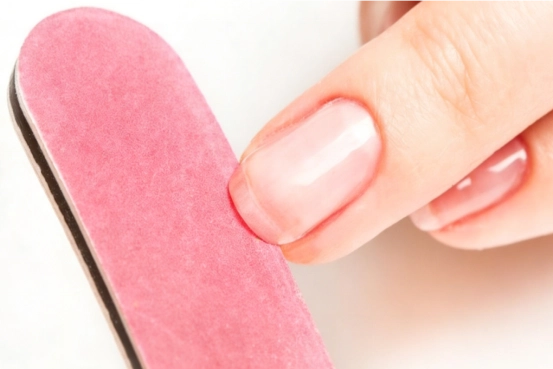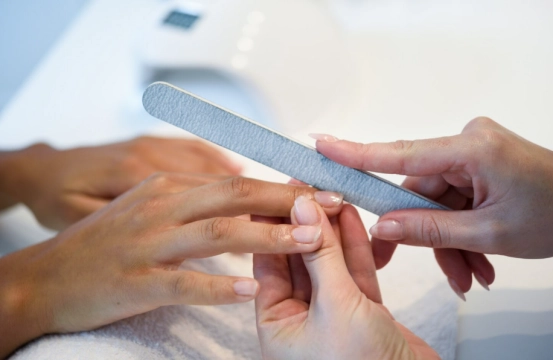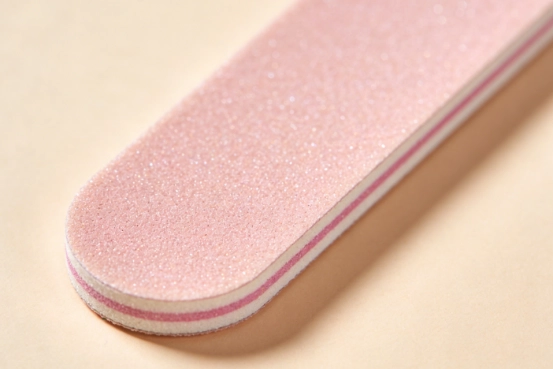
Your DIY sandpaper nail file isn’t only a useful beauty item. It also works as a precise tool for crafting, detailing models, and many DIY tasks. It can smooth tiny edges on plastic models or shape handmade jewelry. A small nail file gives great control in narrow spots. Its design—a stiff backing with different abrasive sides—makes it perfect for jobs that big sanding tools can’t handle. Hobbyists, artists, engineers, and makers all find this little file turns into a handy multi-use item that goes way past its original beauty role.
Supplies
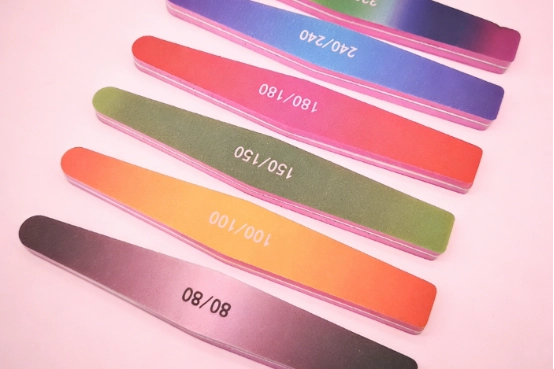
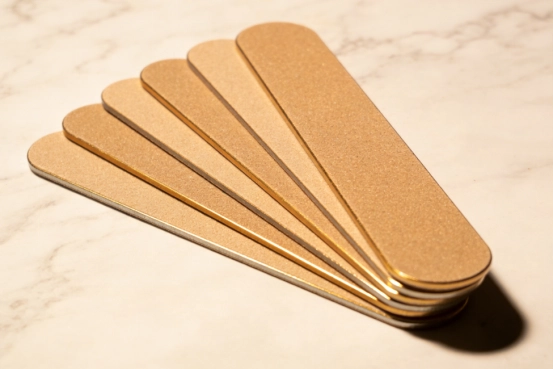
To start using your sandpaper nail file for more than manicures, you’ll need your homemade version or a similar store-bought emery board. Felice beauty sells professional salon-grade choices like the Professional high quality custom private logo zebra grey nail file and emery board. It uses 1.8mm plastic + EVA + Japanese sandpaper. These come in grit levels such as 60#, 80#, 100#, 120#, 150#, 180#, 240#. This gives you options for rough shaping to smooth polishing.
Optional extras to improve your work include:
- Files with various grit levels: coarse (60–80), medium (100–120), fine (180+)
- Small items to sand: balsa wood, polystyrene parts, resin castings, metal jewelry
- Extra helpful tools: clamps, magnifiers, or tweezers for tiny work
Step 1: Intro to Grit Strength and Choosing the Right Abrasive
Knowing grit strength matters before starting any project with a sandpaper nail file. Grit numbers show how rough the abrasive is. Lower numbers remove more material. A 60# or 80# grit works best for heavy sanding. A 240# grit gives a smoother finish. For fragile materials like thin plastics or soft wood, start with medium grit (100–120). This helps avoid damage.
The Felice beauty products offer many choices for different tasks with sandpaper nail file client services. For example, the Perfect zebra grey sandpaper sponge nail file for manicure is sturdy, washable, and available in low MOQ for custom logo. It suits personal and professional detailed DIY jobs.
Always try your selected grit on a spare piece of material first. This check makes sure it works well with the surface. It also prevents too much sanding or weakening the item.
Step 2: Smoothing Edges in Model Building (optional!)
People who build models—like scale miniatures for Warhammer figures, Gundam kits (Gunpla), or architectural models—love sandpaper nail files. The thin shape lets you reach detailed seams. It removes mold lines that are hard to get with regular sandpaper sheets.
The firm core in Felice beauty nail files, such as the Professional high quality custom private logo black nail file, keeps pressure even while filing. This lowers the chance of harming nearby painted areas. These files use 1.8mm plastic board + EVA + good black sandpaper. They offer durability and a solid hold.
For curved areas or tight joints, tilt the file and use gentle strokes. This method helps with touch-ups after painting. It also prepares surfaces for primer. As model builders know, good prep improves the look and strength of painted finishes.
Step 3: Crafts and DIY Applications
Craft lovers can view their projects in stages. This is similar to the layers in a good nail file. For shaping handmade resin items or smoothing edges on tiny furniture, start with coarse grit to take off excess. Then use finer grits for polishing. This gives professional results.
In resin crafts, hardened surfaces often have bumpy edges or extra flash from molds. These need careful sanding. A firm yet bendable nail file like the New arrival good quality sandpaper nail file with custom logo works well here. It has 1.8mm plastic board + EVA + sandpaper. It comes in various colors and grit options for specific needs.
Jewelry creators can use fine grit files (180–240) to form wire tips or round sharp corners on metal parts. For harder materials like metal or thick woods, you can strengthen your DIY file. Add extra construction paper layers between the sandpaper and backing. This adds stiffness. It lets you apply exact pressure without bending.
When handling items like popsicle sticks or balsa wood for small furniture or dollhouse parts, steady sanding matters. Move strokes along the grain. This reduces scratches and boosts finish quality. Felice beauty items like the Beautiful printing sponge nail file buffer with custom logo also look nice in tool sets or handmade kits.
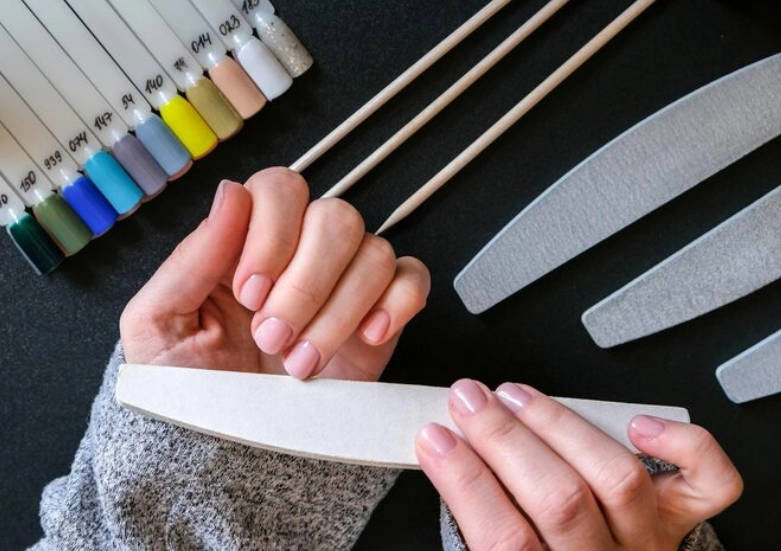
Felice beauty products support OEM/ODM of sandpaper nail file: All products can be designed and produced as customer request; pre-production sample is always available for quality check before bulk order. This helps craft businesses get branded tools made for their needs.
By seeing a basic nail file as a small precision tool, you increase its uses in many creative fields. It can sand tiny castle walls or prepare resin jewelry for shine. This small but effective tool shows its value far from the beauty table.
FAQ
Q: Can a sandpaper nail file be used for model building projects?
A: Yes, a sandpaper nail file is great for model building. It helps remove mold lines, smooth seams, and detail small parts on plastic kits like Gunpla or Warhammer figures. The slim shape offers precise control.
Q: What grit levels of sandpaper nail file should I choose for different DIY tasks?
A: For heavy material removal, pick coarse grits (60–80#). For general shaping, use medium grits (100–120#). For fine polishing or delicate surfaces, choose higher grits (180–240#) on your sandpaper nail file.
Q: Is a sandpaper nail file suitable for sanding resin crafts or jewelry?
A: Absolutely—a sandpaper nail file is good for smoothing rough edges on cured resin. It also softens metal parts in jewelry or shapes small craft items. It provides better control in small areas than bigger sanding tools.