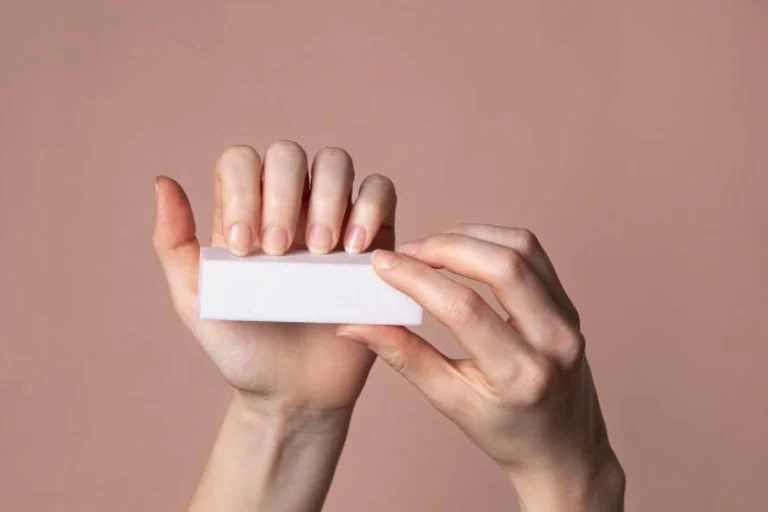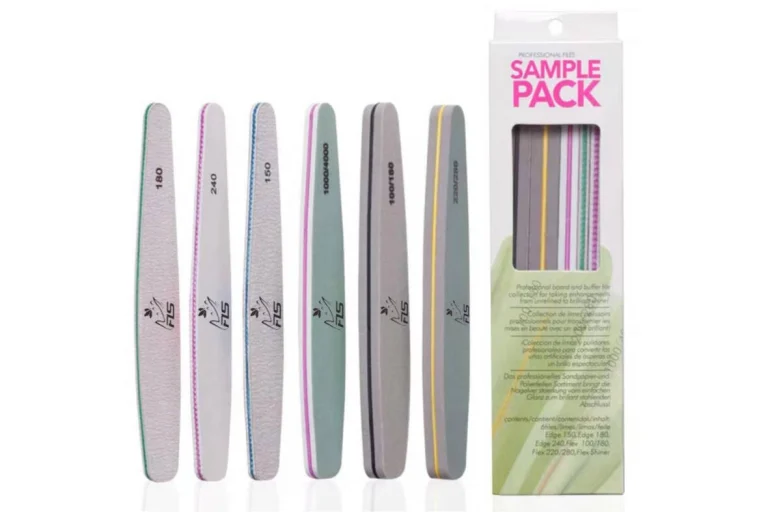
One of the most frequently asked questions in any professional nail salon is: “Can I sanitize or wash my nail file?” It’s a topic that sparks debate among clients and nail technicians alike — and for good reason. Nail files are essential tools in every manicure, but not all of them are created equal when it comes to hygiene and reusability.
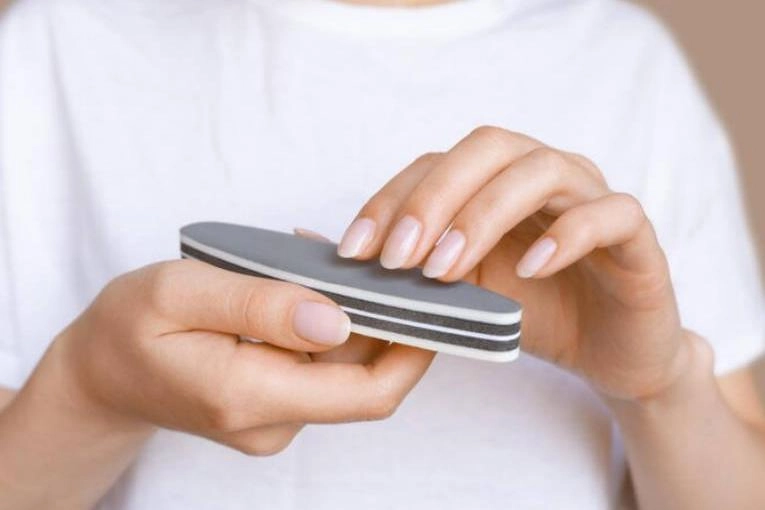
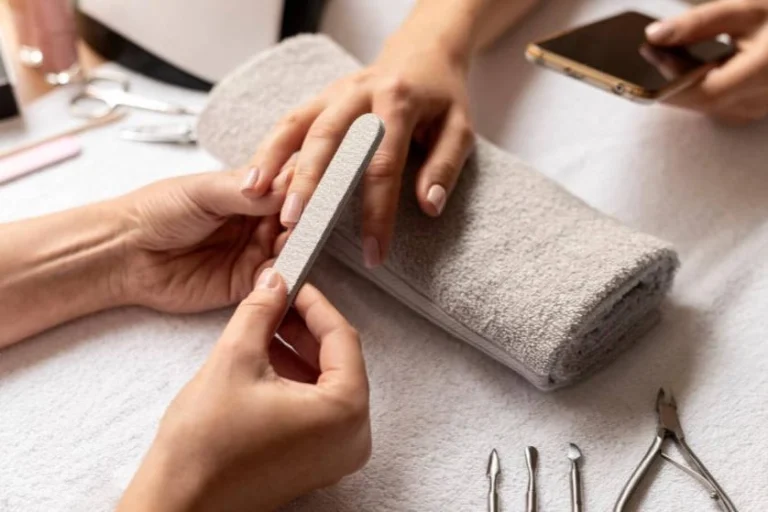
To begin with, it’s important to understand the difference between reusable tools like stainless steel pushers and nippers, and disposable or semi-disposable abrasive tools such as emery boards, buffers, and sandpaper nail files. While metal tools can be fully sterilized using an autoclave, most abrasive nail files are not built to withstand the same level of sanitation.
So what’s the short answer? Some nail files can be washed and reused — but most cannot. And using the wrong cleaning method on the wrong file can not only ruin your tools but also risk spreading bacteria or infections.
To make sure you’re handling your files safely and professionally, we’re breaking down 10 clear rules (and the reasoning behind them) so you never risk cross-contamination or ruin your files.
1.Know Which Files Are Washable vs. Disposable
Not all nail files are made for reuse. Understanding the material construction is the first step in determining if a file can be sanitized.
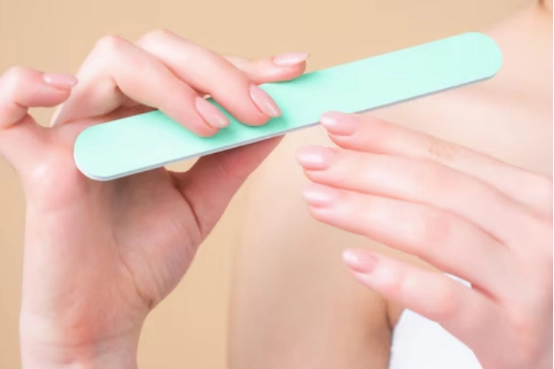
Traditional emery boards often consist of paper or wood-core layers topped with abrasive grit. These are generally designed for single use or very limited reuse due to their porous structure. On the other hand, zebra grey nail files, like Felice beauty’s Professional high quality custom private logo zebra grey nail file and emery board, feature Japanese sandpaper on a plastic core, making them more durable and moisture-resistant — a better candidate for surface cleaning.
Washable options include sponge-core buffers with plastic boards and glass or ceramic files. For example, Felice beauty offers beautiful printing sponge nail file buffer with custom logo made from a combination of high elastic sponge and emery, ideal for light cleaning and multi-client use when properly disinfected.
2.Never Soak Traditional Paper or Cardboard Files
Submerging traditional paper or cardboard-based files in water or disinfectant is a definite no-go. These materials absorb moisture, which not only weakens the structural integrity of the file but also creates a perfect environment for bacterial growth.
Moisture trapped in porous materials doesn’t dry out easily — which means bacteria can survive within the file long after it appears dry on the outside. Even if it seems clean, it’s no longer hygienic. Stick to one-time use for these types of files, especially in salon settings.
3.Use the 180-Grit-or-Lower Rule for Reusables
When considering reusable abrasive files, grit matters. Generally, files with a grit of 180 or lower (coarser texture) tend to have a more robust base and thicker surface coating that can tolerate light cleaning or disinfection.
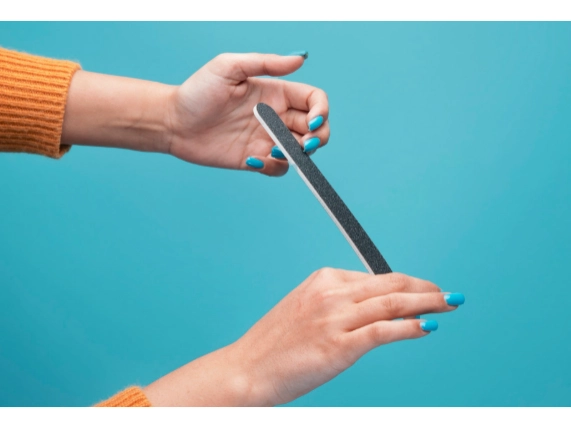
Felice beauty offers Professional high quality custom private logo black nail file with custom logo that come in lower grits (80/100/180), making them more suitable for reuse compared to ultra-fine buffers. Still, even these should not be soaked unless specified by the manufacturer.
4.Quick Surface Clean with 70–90% Isopropyl Alcohol
For semi-washable files like sponge-core emery boards or zebra files, a quick clean using isopropyl alcohol (70–90%) can be effective between uses on the same client.
Here’s how:
- Spray the surface with isopropyl alcohol.
- Wipe thoroughly with a lint-free cloth.
- Let air-dry completely before storing.
This method is acceptable only when there is no visible debris or damage on the file. Once grit starts wearing off or discoloration appears, discard the tool.
5.Disinfect Washable Files in Barbicide or High-Level Disinfectant
If you’re using washable files like Felice beauty’s Perfect zebra grey sandpaper sponge nail file for manicure, which are built with durable materials like EVA and Japanese sandpaper on a plastic core, you can disinfect them more thoroughly.
Follow this process:
- Remove visible debris with a brush.
- Soak in an EPA-registered high-level disinfectant like Barbicide for the recommended contact time (usually 10 minutes).
- Rinse thoroughly under clean water.
- Allow to air-dry on a sanitized surface before storage.
Only files labeled as washable and durable should undergo this process. Always check product specifications first.
6.Try UV-C Cabinets — But Understand the Limits
UV-C sanitizing cabinets are excellent as a supplemental hygiene step but are not replacements for physical cleaning. UV light only sanitizes surfaces exposed directly to its rays. If there’s dust, oil, or debris on your file, UV won’t be effective.
Use UV after manual cleaning and drying to help reduce microbial load — especially if you’re rotating multiple reusable files during a busy workday.
7.Seal the Edges to Make Files Last Longer and Stay Cleaner
Professional nail techs often use a smart hack: sealing the edges of their reusable files with a layer of clear gel top coat or resin. This prevents fraying and helps repel moisture and debris from penetrating inner layers.
Felice beauty also offers High Quality Matte Tempered Top Coat Ultra Shine No Scratches Anti-stain No Wipe Rubber Top Coat UV GEL Polish, which can be used to seal edges thanks to its strong adhesion properties and anti-stain features.
8.Single-Use Is Still the Gold Standard for Most Clients
Despite all these techniques, single-use remains the safest route — especially in professional salons where you’re working with multiple clients daily.
Files like Felice beauty’s Extra coarse strong mini size small black nail buffer block are affordable enough to discard after each use without compromising hygiene or cost-efficiency. In many states, beauty board regulations even mandate single-use for porous tools — always check your local guidelines.
9.Label and Separate Your Reusable vs. Disposable Files
Avoid cross-contamination by clearly separating your tools. Use color-coded bins or labeled pouches for:
- New/unopened disposables
- In-use single-client tools
- Cleaned reusables
- To-be-discarded items
Felice beauty supports custom branding and labeling for Professional high quality custom private logo white nail file and emery board and other products — helping salons streamline inventory while maintaining hygiene standards.
10.Educate Your Clients (and Yourself) on Hygiene Expectations
Clients notice how you handle your tools — and they care. Explaining why certain nail files are tossed after one use demonstrates professionalism and builds trust. It also reinforces your commitment to safe practices.
You can say: “We only reuse specially designed files that are fully disinfected according to industry standards. Everything else is single-use to ensure your safety.”
This level of transparency is appreciated and helps elevate your reputation as a meticulous, client-focused technician.
Healthy Nails Start With the Right File Habits
Whether you’re a seasoned tech or just starting out, knowing how to handle your nail files properly is essential for client safety, infection control, and tool longevity. By understanding which files are truly washable and which aren’t — and following strict sanitation protocols — you protect both your business and your clients’ health.
Ready to stock up on truly washable files or high-quality disposables? Shop our professional-grade collection today and keep every manicure safe and flawless!
FAQ
Q: Can you really wash or sanitize a regular sandpaper nail file?
A: Most standard sandpaper nail files (paper or wood-core emery boards) cannot be properly sanitized and should be disposed of after one use. Only specially designed washable sandpaper nail files with sealed plastic or sponge cores can be lightly cleaned or disinfected.
Q: Is it safe to use alcohol on a sandpaper nail file?
A: Yes, but only on washable, non-porous sandpaper nail files. Spray 70–90% isopropyl alcohol, wipe, and air-dry. Never use alcohol on traditional paper or cardboard files — it pushes debris deeper and doesn’t kill trapped bacteria.
Q: How do I know if my sandpaper nail file is reusable?
A: Check the packaging or product description. Reusable sandpaper nail files are typically marked as “washable,” “sanitizable,” or “professional grade” and have a plastic, EVA, or metal core instead of cardboard or thin paper.