How to Use an Emery Board Without Damaging Your Nails
What Is an Emery Board and Why Does Technique Matter?
An emery board serves as a basic tool in nail care. It has rough surfaces that aid in forming, smoothing, and polishing the sides of your nails. Knowing how to use an emery board properly is vital for keeping your nails strong. If you apply it wrongly, you might cause peeling, splitting, or lasting harm to the nail surface. The way you file and the force you use are important. Soft strokes in one direction keep strength intact. On the other hand, rough back-and-forth actions can create breaks.
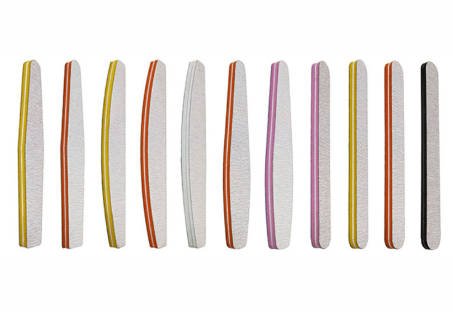
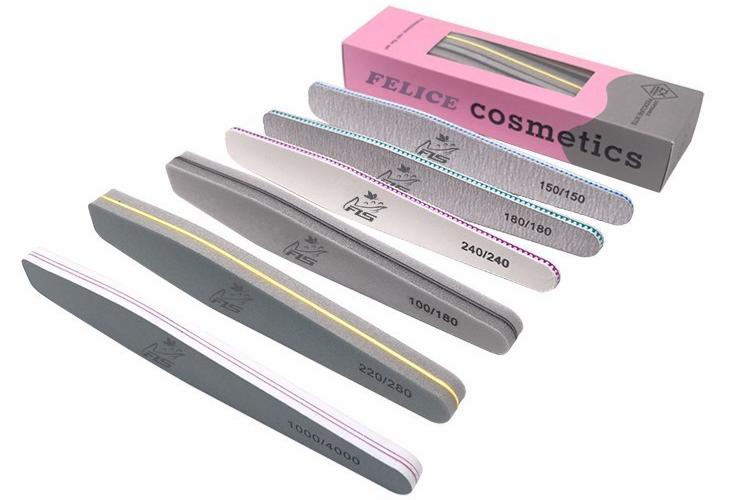
The difference between nail file and emery board comes mainly from their build and roughness. Emery boards often have a sandpaper-style grit stuck to a bendable base. This makes them perfect for real nails. Picking the right emery board grit numbers helps you get the smoothness you want. At the same time, it avoids making your nail tips too thin.
Common Mistakes People Make When Using an Emery Board
Many folks harm their nails without realizing it. They saw back and forth with too much power. This action damages the protein layers at the edge. It leads to tiny cracks that grow bigger with time. Another error is picking rough-grit boards for real nails. Those are more fitting for fake nails like acrylics or gel types. Filing wet nails is risky, too. Water makes the nail soft. This raises the chance of bending or ripping while shaping. Good methods stop these problems. They also make your manicure last longer.
Choosing the Right Emery Board for Your Nail Type
How to Select the Correct Grit for Natural vs. Artificial Nails
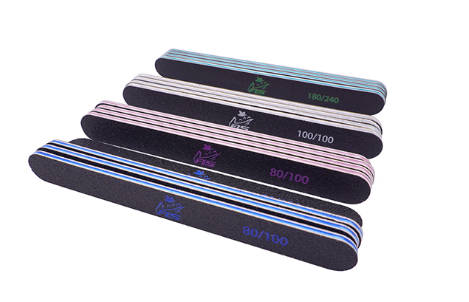
Choosing an emery board relies on your nail kind and what you aim to achieve. Soft-grit boards (240 or higher) are kind to real nails. They give smooth results without thinning them too much. Rougher grits from 80 to 180 suit fake nails like acrylics or gels. Those need more material taken off. Boards with mixed grits offer both in one. One side forms the shape. The other polishes it. This brings flexibility to the tool.
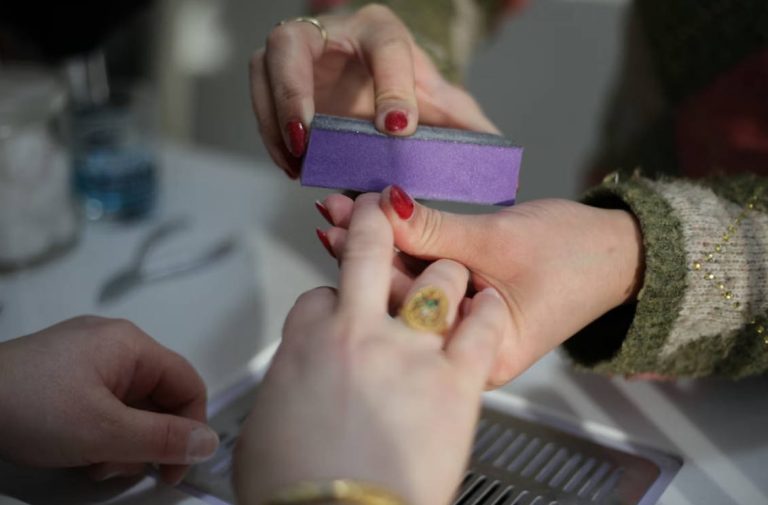
Skip metal files if your nails are slim or fragile. They create too much rubbing and warmth. Choose soft sponge-based boards instead. They lessen the push while keeping you in charge.
Should You Use a Glass File Instead of an Emery Board?
Glass files are getting popular for their evenness and lasting power. They close nail sides better than the usual rough surfaces. However, they might not form shapes as fast as emery boards. For daily upkeep, emery boards stay cheap and easy to find. They give steady outcomes for many nail kinds. Each file type fits different needs based on feel, thickness, and your taste.
Step-by-Step Techniques for Safe Nail Filing
How to Hold and Move the Emery Board Correctly
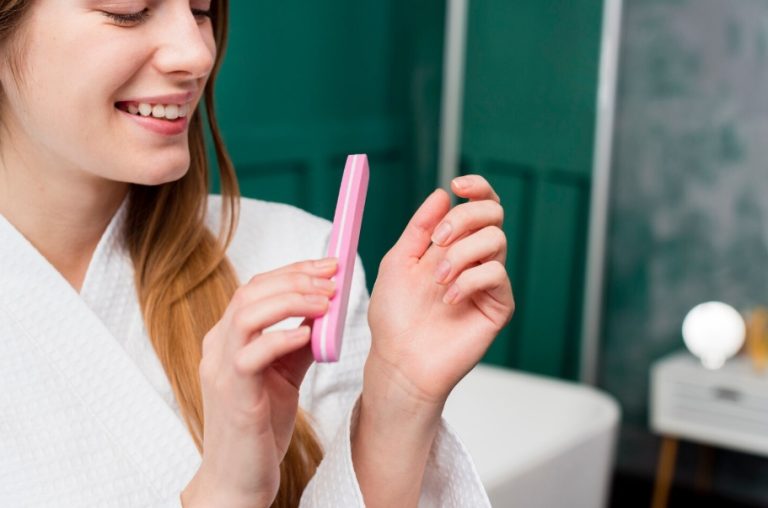
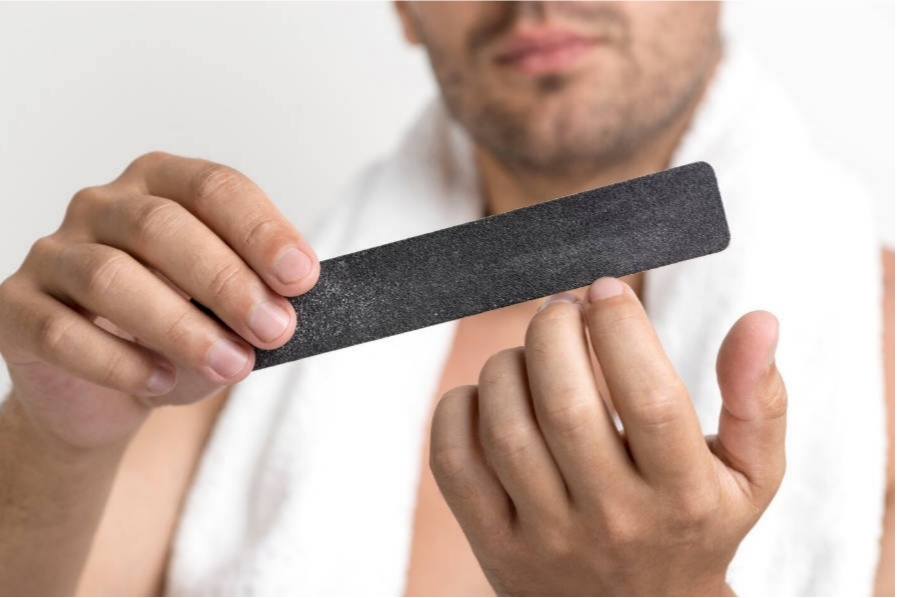
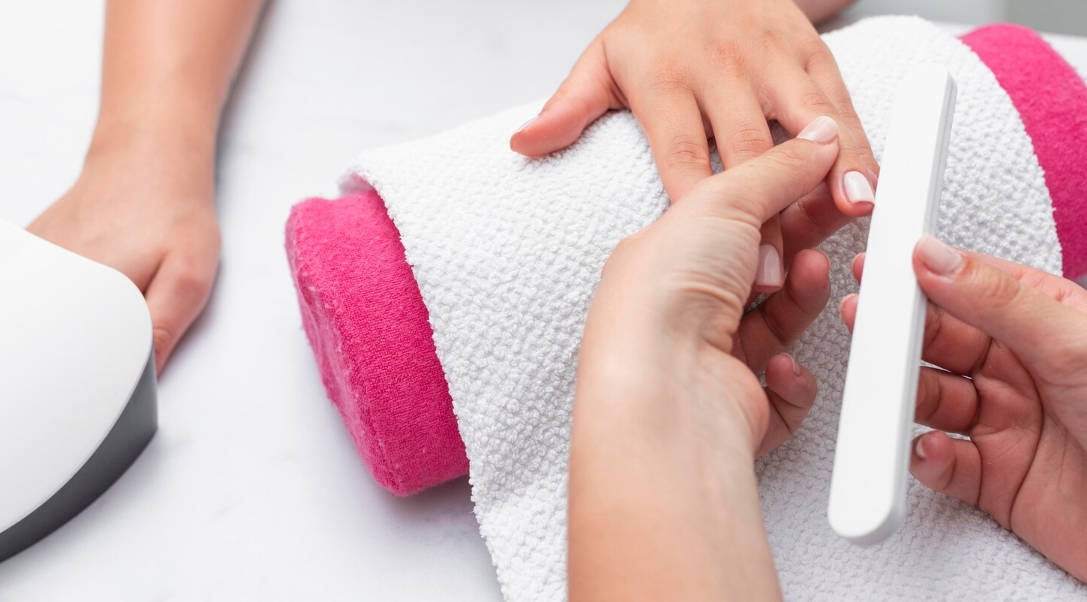
The right hold and motion are key when learning how to use emery board tools well. Grip it at a small tilt that follows your nail’s natural bend. This gives an even form without making the edges flat. Always file from one side to the middle. Do not go back and forth. This cuts down on rubbing heat that harms protein links.
Use light force instead of pushing hard. Soft swipes slowly improve the shape. They also stop fraying layers or bumpy finishes.
The Best Time to File Your Nails for Healthier Results
When you file matters for safe nails. Make sure they are fully dry first. Filing damp nails boosts the risk of breaks. That’s because they lose firmness when drying. After a bath or hand wash, wait at least ten minutes. Then start your care routine. When done, put on cuticle oil or hand lotion. This brings back moisture near the nail base. It keeps nails bendy and stops them from getting brittle after filing.
Shaping Tips: Creating Balanced and Even Nail Edges
Which Nail Shape Works Best With an Emery Board?
Various shapes fit different finger lengths. Round ends look good on short fingers. They make them seem longer. Square or oval styles need careful angles. You can get those with steady filing moves. Pick shapes that match your finger lines naturally. This brings even looks to both hands.
Being steady is important. Keep the same length and curve on all fingers. This boosts balance and the full look.
How Often Should You Use an Emery Board?
Regular care once a week keeps nails tidy. It avoids thinning edges too much. Using it too often wears down the outer layers. This leads to weakness. Balance helps keep nails tough. It also skips the extra strain on the tips.
Preventing Damage During and After Filing
Why Do Nails Split After Filing?
Splitting usually comes from wrong methods or bad grit choices. Using rough surfaces too much makes tiny breaks along the sides. These grow under everyday tasks like typing or dishwashing. Filing too hard removes the outer protein layers. Those layers protect the nail’s build. Dry air makes things worse. It adds to brittleness after filing if you don’t add moisture soon.
Post-Filing Care Tips to Strengthen Nails Naturally
After filing, feed your cuticles with oils full of vitamin E or jojoba. These soak in deep. They bring back the stretch that filing takes away. Steady moisture stops peeling. It also builds strength against daily harms like soaps or cold air.
Put on gloves for home tasks. This guards fresh-filed sides from strong chemicals. Those speed up drying, which leads to cracks over time.
Recommended Products from Felice Beauty for Healthy Nail Care
How Felice Beauty Supports Gentle Nail Maintenance
At Felice beauty, we focus on making pro-level emery boards and have even grit levels that fit soft real nails. Our easy-to-hold designs give better comfort in use. This ensures exact control in every swipe during shaping tasks.
We are a professional nail art company, especially for nail art tools, with good quality, good price, great sales, and a great reputation. We provide one-stop shopping, which can save you time and costs. You can get all kinds of nail art products from Felice beauty.
Our range includes high-quality sandpaper sponge files like “custom private logo white nail file and emery board” featuring multiple grit options (80#–320#), designed specifically for salon-level precision yet safe enough for home users seeking professional outcomes when applying emery board to nail techniques correctly.
Complementary items such as buffers help refine texture post-filing while nourishing oils restore moisture balance, ensuring healthier long-term growth patterns consistent with expert manicure standards.
FAQ
Q: How often should I replace my emery board?
A: Replace every few weeks or sooner once surfaces feel smooth, since worn abrasives create uneven lines compromising edge uniformity during shaping sessions.
Q: Can I sanitize an emery board after each use?
A: Disposable versions aren’t intended for deep cleaning. However, washable models can be gently rinsed using mild soap, followed by thorough air-drying before reuse, ensuring hygiene without degrading adhesive layers holding grit particles intact.
Q: What’s better for weak nails—filing or clipping?
A: Filing remains gentler when executed properly because it minimizes the compression stress common with clippers. It allows for gradual length adjustment and preserves the structural cohesion that is essential for maintaining strong, resilient tips through routine care cycles. These cycles are focused on the proper use of emery boards, following the methodology aligned with the professional grooming standards recommended by experts worldwide.