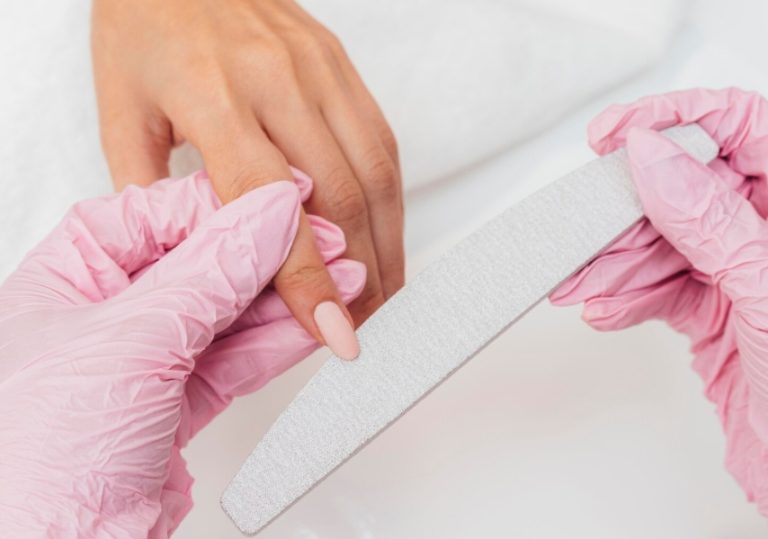
In the quest for naturally shiny and healthy-looking nails, nail buffing has turned into a common step in many self-care habits. Buffing gives a fast and chemical-free method to smooth the nail surface and boost shine without using polish. Though it might look safe, too much or wrong use of a nail buffer block can cause more damage than benefit. Over-buffing is a frequent but often ignored error that may result in thin, weak, or splitting nails.
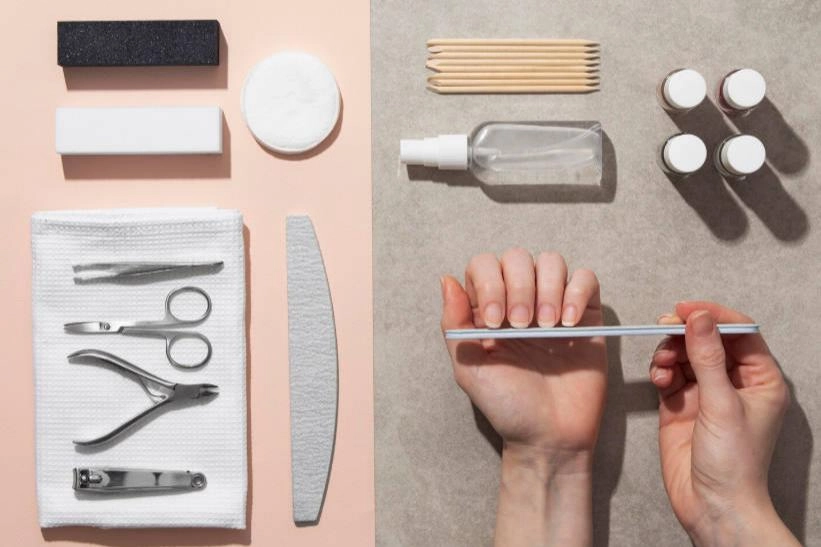
This piece aims to give a reliable and useful guide on how often you should buff your nails. We will look at the perks and dangers of buffing. We will spot safe methods. And we will share pro tips on keeping nail health strong without losing strength.
The Purpose of Buffing Natural Nails
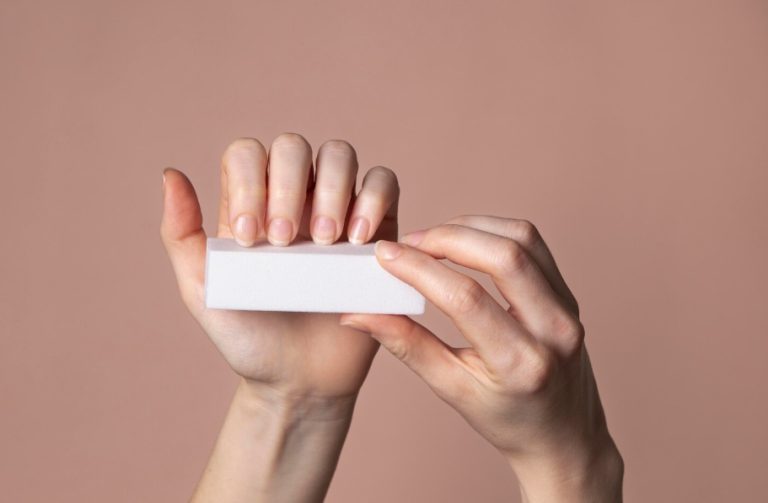
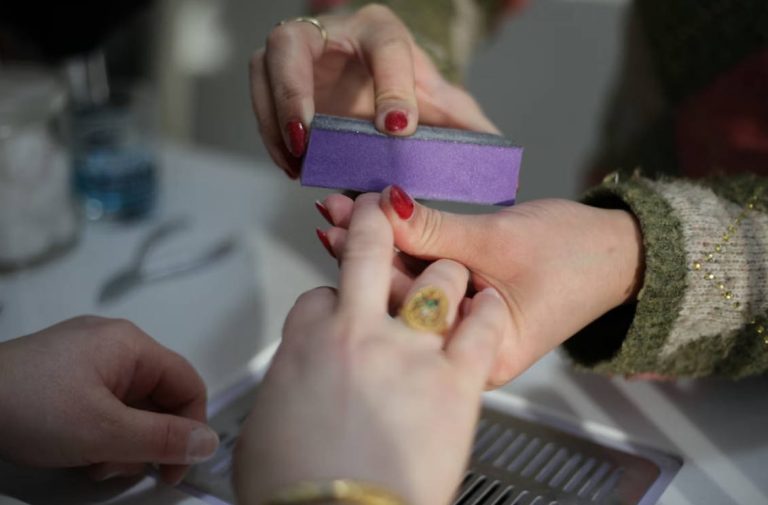
Nail buffing means using a tool—usually a sponge-based nail buffer block—to softly polish the surface of the natural nail. This action removes tiny layers of keratin and levels out surface bumps like ridges and dull spots.
When performed correctly, buffing brings several beauty and building benefits:
- It boosts the natural gloss of the nail without needing polish.
- It smooths out surface flaws and texture, so nails look healthier and more even.
Yet, too much or rough buffing can soon change helpful care into harm. Buffing takes off the top layers of the nail plate. If you do it too often or with rough tools, it can cause:
- Clear thinning of the nail plate.
- Greater weakness, cracking, and flaking.
Felice beauty provides top-quality nail buffer blocks made from high elastic sponge and emery material. These ensure a good mix of results and safety for pro use.
How Often Should You Buff Your Nails?
A General Rule
As a basic rule, buffing your natural nails no more than once a month is safe for most folks. This pace keeps smoothness and shine without greatly weakening the nail plate. Since buffing removes surface layers of keratin, you should handle it with care and do it rarely.
Adjusting Based on Nail Type
Not every nail is the same. So, your buffing plan should fit your own nail state:
- Thin or Brittle Nails:These nails can get damaged easily. Cut back buffing to once every two to three months. Or skip it if nails are already weak.
- Strong, Healthy Nails:If your nails are naturally tough, light buffing now and then—once every 4–6 weeks—might work. Use only soft pressure and a fine-grit buffer.
Paying attention to your nails matters more than chasing trends. Buff only when needed. For example, do it before putting on nail wraps or gel polish where a smooth base is key.
Proper Buffing Techniques
Choosing the Right Buffer
Picking the right nail buffer is key to keeping nail strength. Felice beauty has several choices like the “High elastic sponge 4 ways nail buffer block with custom logo.” This is built for pro use and kind to natural nails.
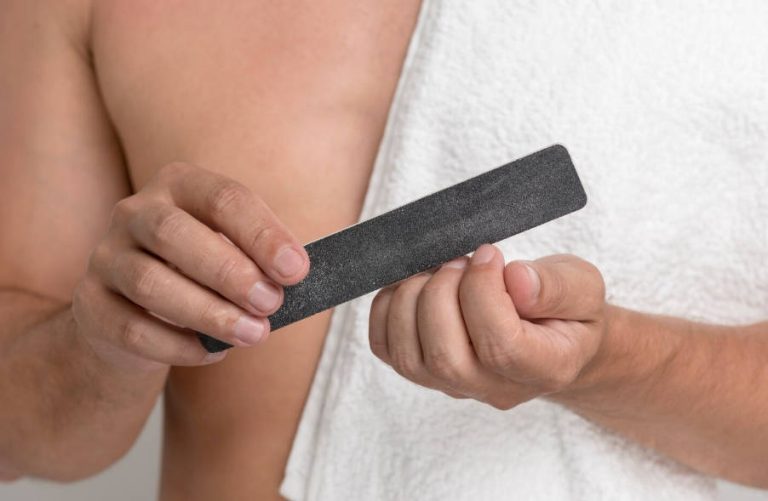
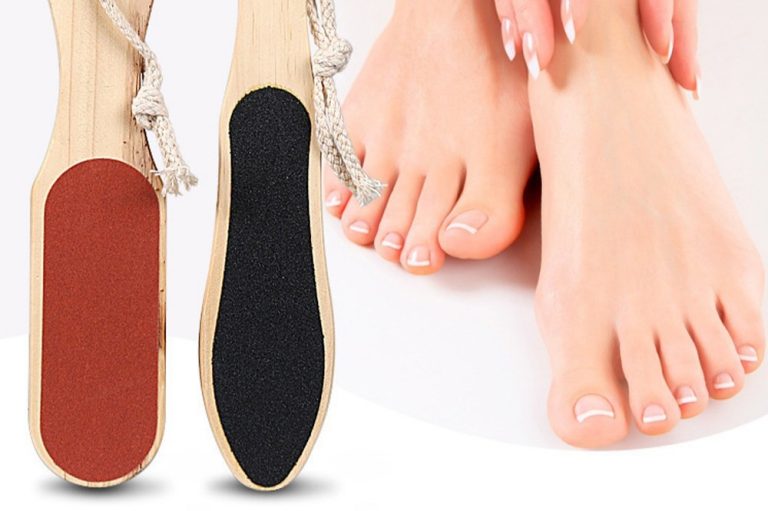
Steer clear of metal buffers or rough-grit tools meant for fake nails or foot care. Instead, pick:
- Fine-grit sponges (180#–240#) for polishing.
- Medium-grit (100#–150#) for leveling small ridges.
Felice beauty’s mini size nail buffer blocks, such as Model #: FLS-NB-001, use EVA + emery. They come in various grit levels (80# 100# 180# 240#). This gives options based on your nail needs.
Correct Buffing Method
To cut down on damage:
- Use light, one-way strokes rather than back-and-forth rubbing.
- Put on little pressure—let the buffer handle the job.
- Keep each nail to 5–10 strokes in one go.
This way saves the building layers of your nail. At the same time, it still gives clear results.
Common Buffing Mistakes to Avoid
Buffing should fit into a full nail care plan—not take its place. Usual errors include:
- Buffing too often for shine:This wears away protective layers. Try moisturizing oils or shine-boosting treatments instead.
- Buffing over damaged or peeling nails:This makes problems worse. Fix base issues first.
- Relying on buffing instead of proper care:Nail toughness comes from total health and moisture, not just surface work.
Alternatives to Frequent Buffing
There are better ways to keep smooth and shiny nails without constant rubbing:
- Nail Oils:Items like vitamin E oil feed and add natural glow.
- Filing Techniques:Use a soft emery board from Felice beauty’s pro salon range, such as the “Professional high quality custom private logo white nail file and emery board.” It keeps shape without rough spots.
- Protective Base Coats:These give a polished view while locking in moisture and guarding against breaks.
These options pair well with rare buffing. They do not replace full care.
When Buffing Can Be Harmful
Signs you might be doing too much include:
- Nails turning see-through or clear.
- More splitting, peeling, or soreness.
If these happen, stop buffing right away. Give time for nail growth and healing.
When to Seek Professional Advice
Long-lasting nail problems should not be overlooked. If you notice:
- Constant weakness even with less buffing,
- Color changes or odd texture shifts,
see a dermatologist or health expert. These could point to fungus, nutrient lacks, or deeper issues that need pro checks.
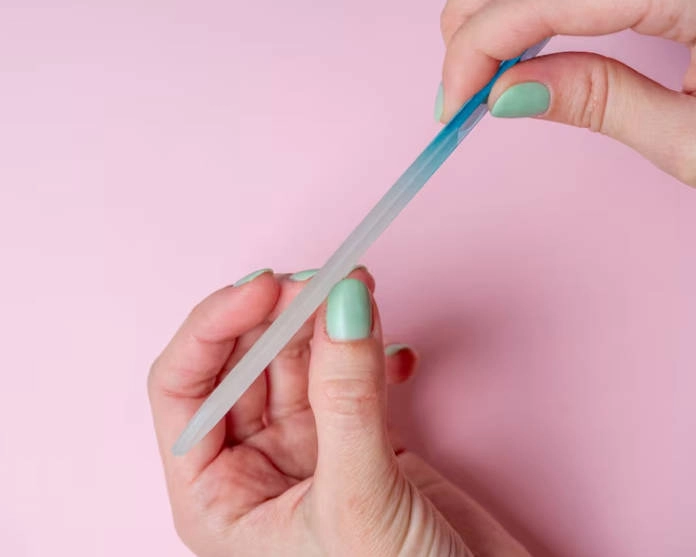
Buffing your nails can help—but only with purpose, right method, and control. Pick good tools like Felice beauty’s high elastic sponge buffer blocks. Limit it to once a month or less, depending on your nail type. And always put nail health first. The base of great nails is not how often you buff them. It is how well you guard and feed them between sessions. Aim for lasting strength over quick shine.
FAQ
Q: Can I use a nail buffer block every week?
A: No. Using a nail buffer block weekly can thin the nail plate and cause peeling. For most people, once a month or less is the safest frequency.
Q: What grit nail buffer block is best for natural nails?
A: A fine-grit nail buffer block (180#–240#) is best for natural nails, as it smooths and adds shine without removing excessive keratin layers.
Q: Is a nail buffer block better than nail polish for shine?
A: A nail buffer block provides natural shine without chemicals, but overuse can weaken nails. For frequent shine, nail oils or protective base coats are safer alternatives.
Q: Should I buff damaged or peeling nails with a nail buffer block?
A: No. Buffing damaged nails can worsen the condition. Allow nails to recover and focus on hydration and protection before using a nail buffer block again.