Choosing a Sandpaper Nail File for Natural Nails
Ideal Grit Range of Sandpaper Nail Files for Natural Nails
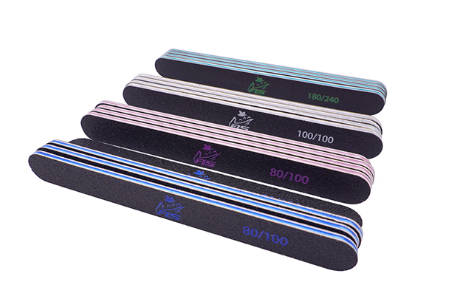
When you work with natural nails, pick a sandpaper nail file that helps keep nails healthy. It should not harm them. The best grit range for natural nails is 180 to 240. These levels are smooth enough to shape nails softly. They avoid too much rubbing. Coarser files with lower grits can be too rough. This might cause nails to split or peel.
Finer grits like 240 work well for smoothing the nail edge. They also fix any rough spots. At the same time, they do not remove much keratin. This keeps the nail’s strength whole. Remember, avoid coarse files under 180 grit for natural nails. They can make the nail too thin. Over time, they might create tiny cracks.
Felice beauty offers several top-quality sandpaper nail files for natural nails. For instance, the Professional high quality custom private logo white nail file and emery board from Felice beauty comes in grit levels like 180# and 240#. These are perfect for soft shaping and finishing. Made with premium Japanese sandpaper, Felice beauty’s Japanese Rectangle File Zebra 80/80 shows how grit works. Nail files are graded by grit per square inch. The numbers show how rough the surface is. If both numbers match, both sides have the same grit. If they differ, each side has a different one. For example, a 180/180 grit file means both sides are 180 grit per square cm. Higher numbers mean softer grit. Lower numbers mean rougher grit. The 180 grit is fine. It contours the whole nail. It preps natural nails before adding products. It also shortens or shapes the natural free edge during manicures. Plus, it gives artificial nails a nice, smooth finish.
Techniques for Using a Sandpaper Nail File on Natural Nails Safely
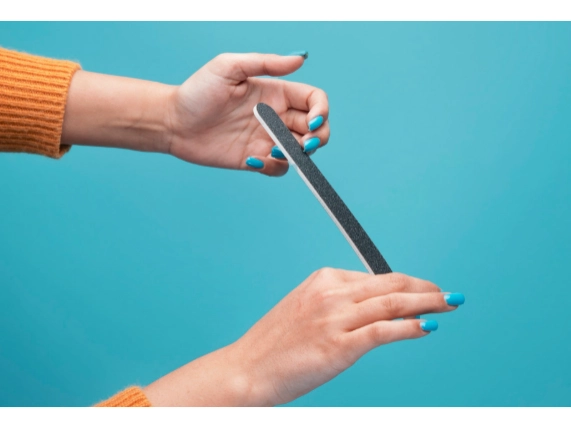
Good technique matters as much as the right grit. Always file in one direction. Do not go back and forth. This cuts down on tiny tears in the nail. Such tears can lead to chips or peeling. Use light pressure when filing. This prevents weakening the nail’s build.
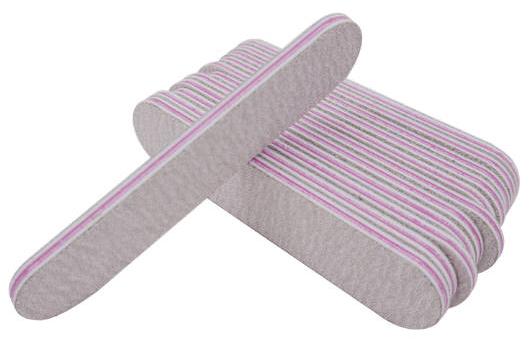
Cleaning tools is key, especially in pro settings. Pick washable or easy-to-clean files. For example, the Professional high quality custom private logo zebra grey nail file and emery board from Felice beauty is tough and clean-friendly. It keeps things safe for techs and clients.
Selecting a Sandpaper Nail File for Gel Nails
Appropriate Grit Levels of Sandpaper Nail Files for Gel Removal
Gel nails need a special method because of their hard top. To remove gel layers well, choose a sandpaper nail file with 100 to 150 grit. These are rough enough to break down the gel topcoat. But use care to not hurt the natural nail below.
Too much use of rough files can wear away the natural nail under the gel. To stop this, start with 100 grit for big removal. Then switch to finer ones like 180 or 240 for smoothing.
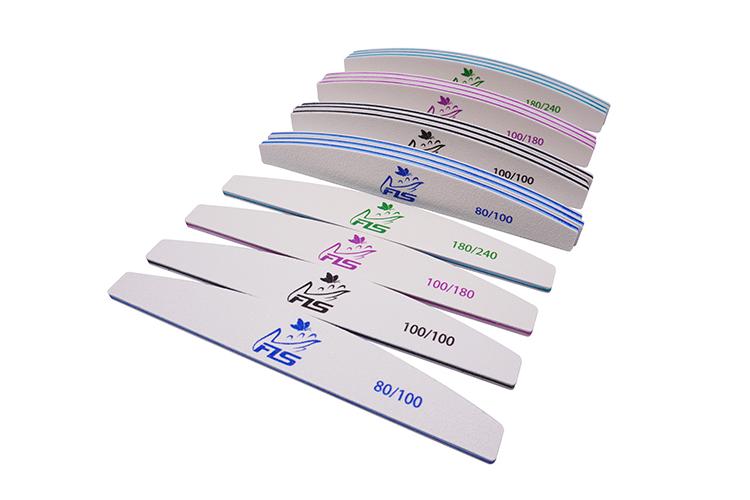
Felice beauty provides excellent sandpaper nail files. They have grit mixes like 100/180 and 150/240. Pros can use one tool for safe and quick gel removal. From Felice beauty, options come in 1pc, 50pcs/pack, or 20pks/case for easy supply.
Best Practices When Using a Sandpaper Nail File on Gel Nails
Start gel removal by softly buffing the top with 100 or 150 grit. This breaks the seal. As you go on, change to finer grits. They smooth edges and ready the surface. Do this for new gel or natural growth.
After filing, use buffer blocks. Felice beauty’s High elastic sponge 4 ways nail buffer block with custom logo from Felice beauty clears any left-over ridges or marks from rough files. Do not over-file near the cuticle. That area has thin natural nail. It avoids soreness or harm.
Choosing the Right Sandpaper Nail File for Acrylic Nails
Recommended Grits of Sandpaper Nail Files for Acrylic Shaping and Refinement
Acrylic nails are stronger. They need tougher tools for shaping and care. Start with 80–100 grit file for cutting bulk and forming structure. These rough grits shape acrylic adds quickly. But never use them on natural nails. They are too strong.
After shaping, move to 150–180 grit. It refines the surface and makes it smooth before polish. Use 240 grit at the end. It smooths and shines the acrylic layer.
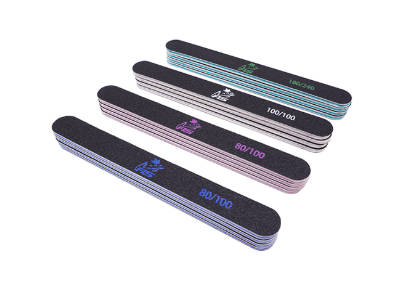
Felice beauty’s Perfect zebra grey sandpaper sponge nail file for manicure from Felice beauty has multi-grit choices. It uses pro materials for the full process. The 80 grit is extra coarse. It removes heavy product or shortens fake nails fast. The 100 grit is coarse. It shortens length and shapes side walls and free edge.
Filing Techniques with Sandpaper Nail Files on Acrylic Enhancements
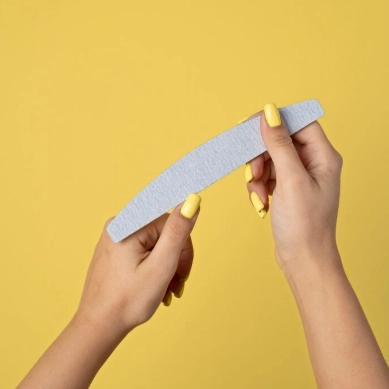
Shaping acrylic works best with curved sandpaper nail files. They fit the nail’s curve naturally. This helps techs keep steady angles. Results stay even and matching.
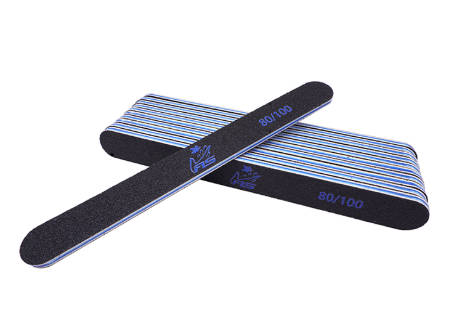
Replace old files often. Worn ones slow you down. They can also cause uneven work or scratches by mistake. Felice beauty’s Professional high quality custom private logo black nail file from Felice beauty is built to last. Still, check it for wear based on how much you use it.
Additional Considerations When Selecting a Sandpaper Nail File
Material Quality and Durability of Sandpaper Nail Files
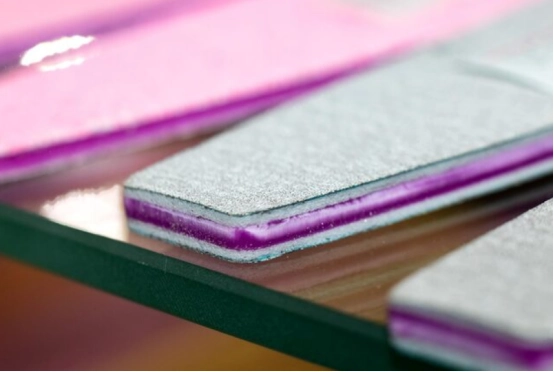
A file’s life and power depend on its build. High-end rough parts last longer. They give steady results. Even after many uses, they keep good work. Felice beauty uses Japanese sandpapers in zebra grey models from Felice beauty. They are strong and long-lasting.
Washable or cleanable picks fit salon rules. Felice beauty’s Professional high quality custom full cover printing beautiful manicure nail file from Felice beauty meets hygiene needs. It works well for pro use over and over.
Shapes and Styles of Sandpaper Nail Files for Different Applications
Various shapes fit different jobs. Straight files handle most tasks. Banana or half-moon ones reach cuticles and sides better. Easy-grip styles cut down on hand strain in long sessions. They make techs more comfy.
Felice beauty offers many types. The Beautiful printing sponge nail file buffer with custom logo from Felice beauty comes in shapes and sizes. They match personal tastes and methods.
When to Replace Your Sandpaper Nail File Based on Usage Patterns
Look for signs to swap a file. Worn tops take longer to file. Frayed sides might scratch or hurt nails by accident. Check often to keep safety and good work in services.
Pro users should stock new files. This is key for busy days or tough jobs like acrylic shaping or gel removal.
Matching the Right Sandpaper Nail File with Your Professional Needs
How Experience Level Influences File Selection
For newbies, pick higher grits like 180–240. They are easier to handle. They help avoid over-filing on natural nails. This lowers damage risk. You get good control in shaping.
Experienced pros use many grits in one job. They take coarse for first shaping. Medium for smoothing. Fine buffers for the last touch. This gives exact work at each step. Felice beauty aids this with custom multi-grit tools for salons.
Balancing Efficiency and Safety with Proper Grit Combinations
You can be quick without risking safety. Mix coarse and fine grits wisely. Techs finish jobs fast. At the same time, they protect nail health. Layered filing starts rough and goes smooth. It controls thickness cut and evenness well.
Felice beauty’s New arrival good quality sandpaper nail file with custom logo from Felice beauty follows these ideas. It has custom picks for all nail types and job steps.
Pick the best sandpaper nail file by knowing the nail type and your skill level. From natural to gel to strong acrylics, right grits with good methods give great outcomes. They also keep clients safe.
FAQ:
What grit Sandpaper Nail File is best for natural nails?
For natural nails, a Sandpaper Nail File with 180–240 grit is ideal. These finer grits shape and smooth nails gently without removing too much keratin, helping prevent splitting, peeling, or thinning of the nail plate.
Can the same Sandpaper Nail File be used for gel and acrylic nails?
Not exactly. Gel and acrylic nails require different grit levels. A Sandpaper Nail File with 100–150 grit works best for gel removal, while 80–100 grit is suitable for acrylic shaping. Finer grits like 180–240 should be used for smoothing and finishing.
How often should a Sandpaper Nail File be replaced in professional use?
A Sandpaper Nail File should be replaced when the abrasive surface becomes smooth, frayed, or uneven. Worn files reduce efficiency and may cause nail damage, especially during acrylic shaping or gel removal in high-volume salon use.